
Liberia to Fargo
Fargo → LiberiaFTL freight transportation service between Liberia and Fargo. Reliable logistics solutions for your business.
Route Description
Everything you need to know about the corridor Liberia - Fargo
The logistics corridor between Liberia, Costa Rica and Fargo, North Dakota represents a vital cross-border connection linking Central America with the Upper Midwest of the United States. This 4,170 km route traverses diverse terrain and crosses multiple international borders, making it a complex but essential pathway for trade between these two regions. The corridor facilitates the movement of goods from Costa Rica's Pacific coast through the Central American corridor, connecting with major North American transportation networks in Mexico before continuing northward through the United States.
The economic significance of this route extends beyond simple transportation, as it connects distinct industrial ecosystems. Liberia serves as a gateway to Costa Rica's agricultural and manufacturing sectors, while Fargo represents a major distribution hub for the northern United States, with strong presence in food processing, technology, and agricultural equipment manufacturing. The route particularly benefits industries requiring temperature-controlled transportation, given the climatic differences between the tropical origin and the continental climate of the destination.
Key infrastructure along this corridor includes the Pan-American Highway through Central America, major Mexican arterial routes such as MEX-180D and MEX-45D, and US Interstate connections including I-35 and I-94. The primary border crossing points are typically Laredo/Nuevo Laredo or El Paso/Ciudad Juárez, depending on routing decisions based on cargo type, seasonal conditions, and customs processing considerations. Control Terrestre's expertise in managing cross-border documentation, customs clearance, and temperature-controlled transportation ensures seamless operations along this critical international corridor.
Services for this Route
Available services for the corridor Liberia - Fargo
 Origin
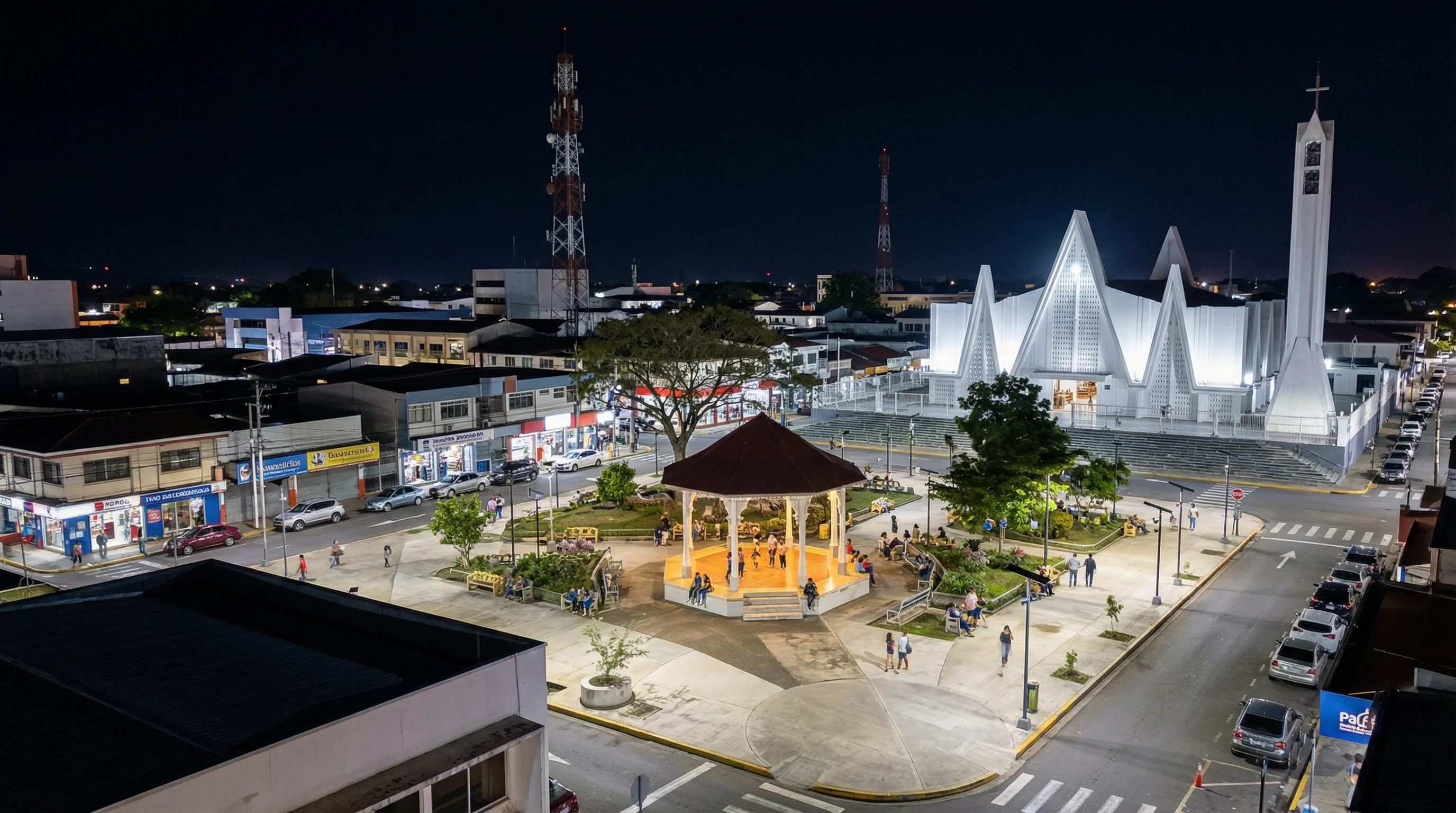
Liberia
Liberia, located in the province of Guanacaste on Costa Rica's Pacific coast, serves as a strategic logistics hub for northwestern Costa Rica. The city's Daniel Oduber Quirós International Airport and proximity to major Pacific port facilities provide multimodal transportation options. Liberia's location near the Nicaraguan border also positions it as a gateway for cross-border trade within Central America. The region's infrastructure includes well-maintained highways connecting to San José and other major Costa Rican cities, as well as the Inter-American Highway that extends northward through Central America.
The economic base of Liberia and surrounding Guanacaste province includes agriculture (particularly sugarcane, rice, and tropical fruits), livestock production, and a growing manufacturing sector. The region also benefits from tourism development, with numerous resorts and recreational facilities. These diverse economic activities generate consistent freight transportation needs, particularly for temperature-sensitive agricultural products and manufactured goods destined for international markets.
 Destination
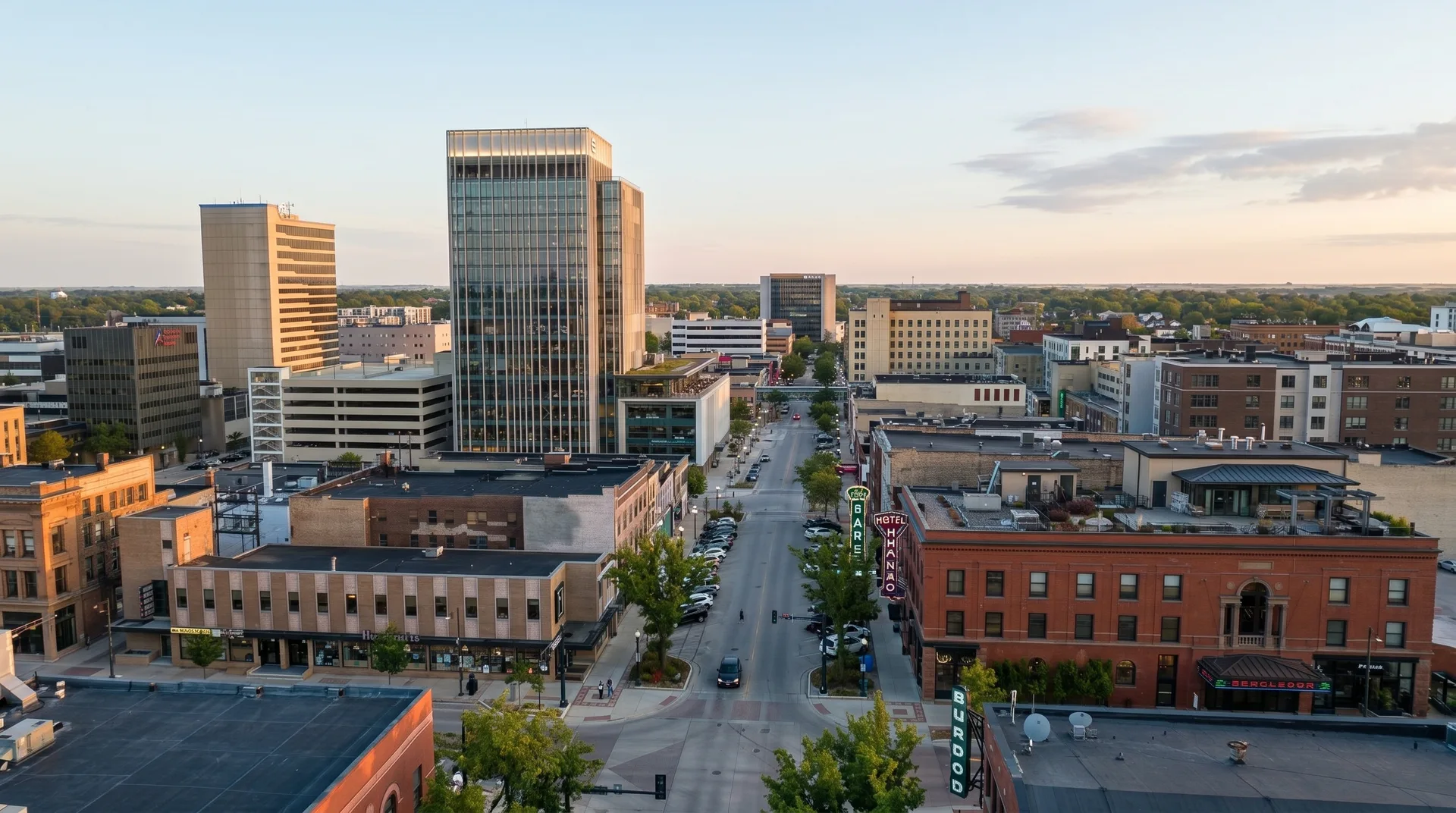
Fargo
Fargo, North Dakota stands as a major logistics and distribution center in the Upper Midwest United States. Located at the intersection of I-29 and I-94, Fargo provides exceptional connectivity to regional and national transportation networks. The city's position near the Minnesota border and proximity to the Canadian frontier makes it a strategic point for North American distribution. Fargo's Hector International Airport and access to Class I rail services complement the extensive highway infrastructure, creating a robust intermodal transportation environment.
The Fargo metropolitan area hosts a diverse industrial base including food processing, agricultural equipment manufacturing, technology companies, and healthcare services. The region's strong agricultural heritage continues to drive demand for freight transportation, particularly for grain, processed foods, and agricultural machinery. Fargo's cold continental climate creates specific requirements for temperature-controlled transportation, especially during winter months when freight protection becomes critical for maintaining product integrity.










