León to Seattle
Seattle → LeónFTL freight transportation service between León and Seattle. Reliable logistics solutions for your business.
Route Description
Everything you need to know about the corridor León - Seattle
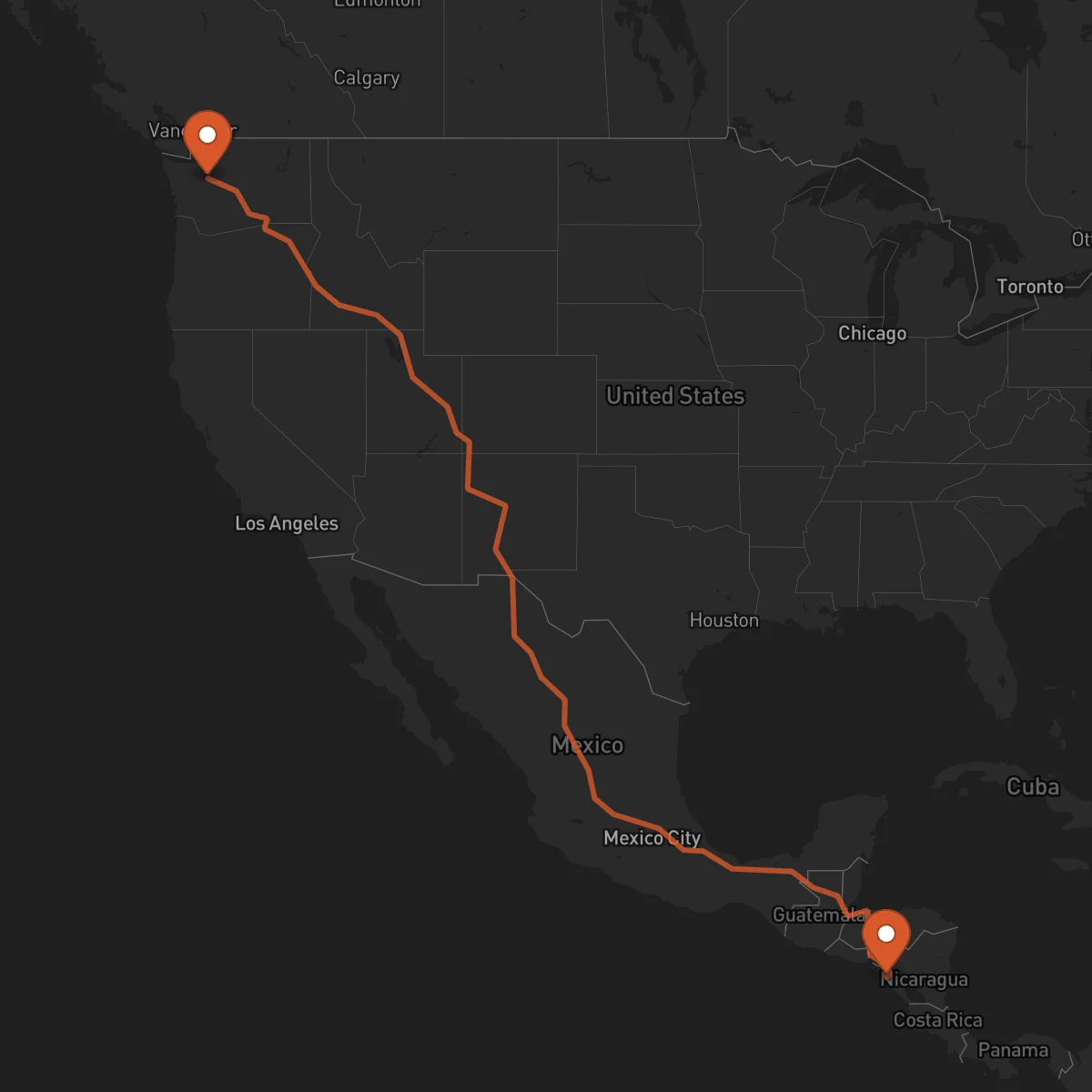
The León to Seattle corridor represents a critical North American logistics artery, bridging Central America's industrial heartland with the Pacific Northwest's major economic hub. This cross-border route, spanning approximately 5,109 km, is strategically vital for moving high-value, time-sensitive full truckload (FTL) freight across diverse regulatory and geographic landscapes. The corridor facilitates the flow of goods from Nicaragua's burgeoning manufacturing sector to the technologically advanced and import-dependent markets of Washington state and the broader U.S. West Coast. Key industries leveraging this route include textiles and apparel, agricultural products, manufactured components, and specialized cargo. The transportation infrastructure relies on a sequenced network: primary highways in Nicaragua connecting to the southern Mexican border, traversing Mexico's robust federal highway system to a primary U.S. border crossing (such as Nuevo Laredo/Laredo), and then utilizing the extensive U.S. Interstate network (notably I-5) to reach Seattle. Navigating the complex customs and compliance requirements at the Mexico-U.S. border is a paramount consideration, where programs like C-TPAT and FAST, which our provider alliance holds, are essential for streamlined clearance. At Control Terrestre, we facilitate seamless operations on this corridor by leveraging our strategic alliance of certified providers. We coordinate dedicated and expedited FTL services, manage all cross-border documentation and compliance protocols, and ensure the correct equipment—from dry vans to specialized units—is matched to your cargo's specific needs, providing a single point of contact for your end-to-end door-to-door logistics solution.
Services for this Route
Available services for the corridor León - Seattle
 Origin
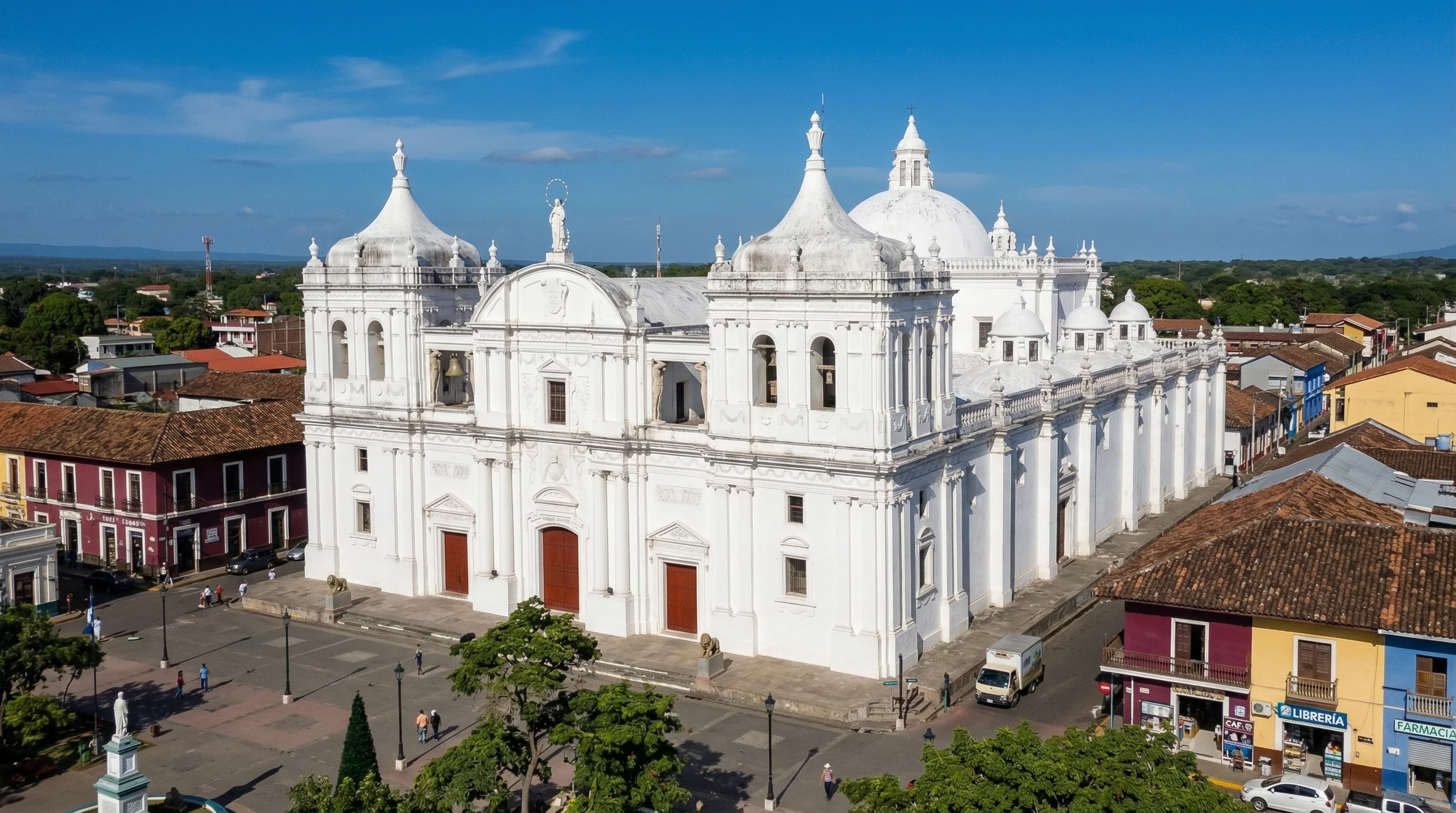
León, Nicaragua, serves as a pivotal logistics origin in Central America, strategically positioned with access to both Pacific ports and major overland routes north. It is a historic industrial and agricultural center, with its economy driven by significant sectors such as textiles and apparel manufacturing, coffee and agricultural exports, and leather production. The city's infrastructure is anchored by the Pan-American Highway (CA-1), which provides the critical north-south land bridge through Nicaragua and into Honduras and El Salvador, connecting to Mexico's federal highway network. This established road infrastructure, coupled with León's role as a commercial hub for western Nicaragua, makes it a natural consolidation and dispatch point for FTL freight destined for North American markets. The availability of warehousing and distribution facilities supports the efficient loading of full truckloads for the long-haul journey to the U.S. border.
 Destination
Seattle
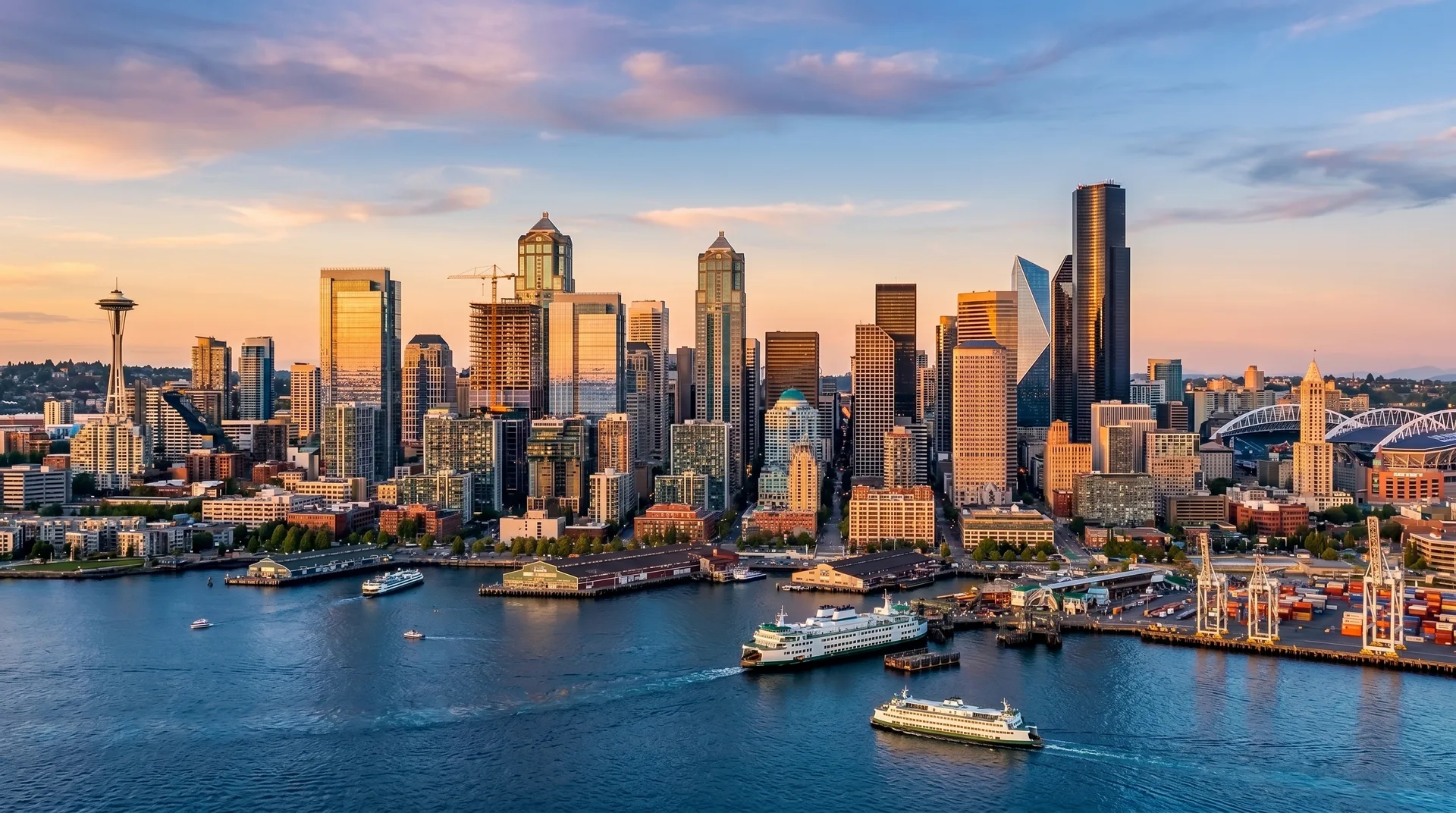
Seattle, Washington, is a premier logistics destination and a major gateway for U.S. international trade. Its strategic importance is amplified by the Port of Seattle, one of the nation's busiest container ports, which handles a vast volume of Asian and Latin American imports, creating a constant demand for efficient inland distribution. The city's economy is dominated by advanced technology, aerospace (Boeing), clean technology, and maritime industries, which rely on a steady supply chain of components, raw materials, and finished goods. The transportation infrastructure is world-class, centered on Interstate 5 (I-5), the primary north-south artery on the West Coast that provides direct, high-capacity access from the Mexican border to Seattle and onward to Canada. Additionally, the region is served by a dense network of state highways, rail intermodal facilities, and Seattle-Tacoma International Airport for air cargo integration, making it a multi-modal logistics powerhouse that efficiently disperses FTL freight throughout the Pacific Northwest and beyond.










