León to Mexico City
Mexico City → LeónFTL freight transportation service between León and Mexico City. Reliable logistics solutions for your business.
Route Description
Everything you need to know about the corridor León - Mexico City
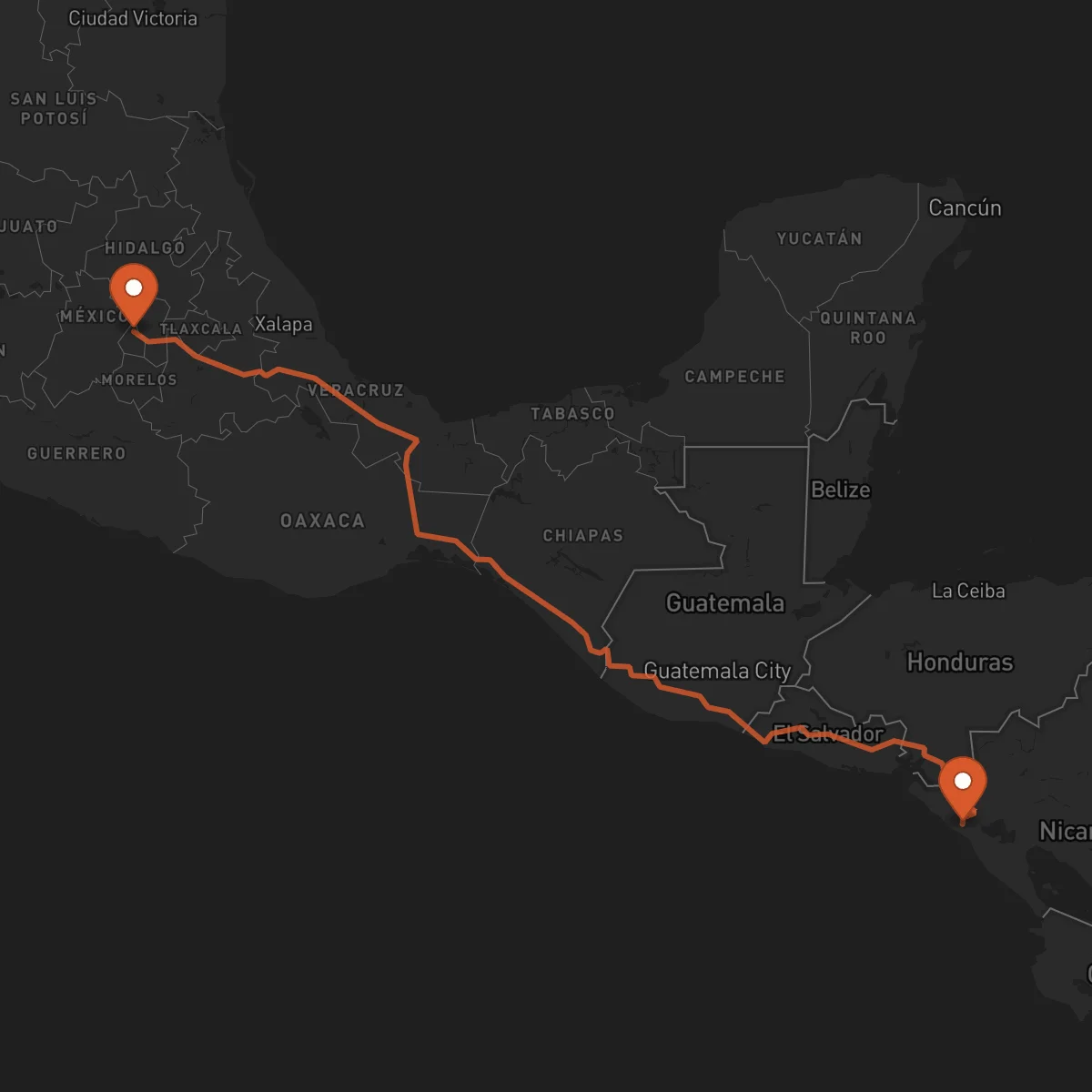
The León, Nicaragua to Ciudad de México corridor is a vital north-south artery connecting Central America's industrial heartland with Mexico's largest economic hub. This strategic cross-border route facilitates the essential flow of goods, raw materials, and manufactured products, underpinning regional trade and supply chain integration. The corridor's importance is magnified by its role in linking Nicaragua's productive zones with the massive consumer and manufacturing market of the Mexico City metropolitan area.
Economically, the corridor serves as a lifeline for industries on both ends. In Nicaragua, it supports the export of key products like leather goods, footwear, textiles, and agricultural commodities. For Mexico, it enables the efficient inbound movement of components and materials for its diverse industrial base, from automotive and electronics to food processing and pharmaceuticals. The seamless movement along this corridor is critical for just-in-time manufacturing and distribution networks spanning the region.
Key industries leveraging this route include footwear and leather manufacturers in León, agricultural exporters, and Mexican automotive and electronics assemblers requiring Central American inputs. The primary transportation infrastructure relies on the Central American Highway 1 (CA-1) through Nicaragua and Guatemala, transitioning onto Mexico's Federal Highway 150D for the final leg into the capital. The principal border crossing is at the Guatemala-Mexico frontier, typically via Tecún Umán/El Carmen, where customs procedures are a critical operational node. Our providers are certified with C-TPAT, FAST, and BASC, ensuring compliant and efficient transit through these checkpoints.
Control Terrestre streamlines operations on this complex corridor through our alliance of vetted transportation partners who specialize in cross-border freight. We coordinate dedicated FTL and specialized cargo movements, managing the nuances of international documentation, customs clearance, and border crossing logistics. Our network ensures reliable capacity with equipment like 53' dry vans, reefers, and flatbeds, providing a seamless door-to-door service from Nicaraguan factories to distribution centers in Ciudad de México.
Services for this Route
Available services for the corridor León - Mexico City
 Origin
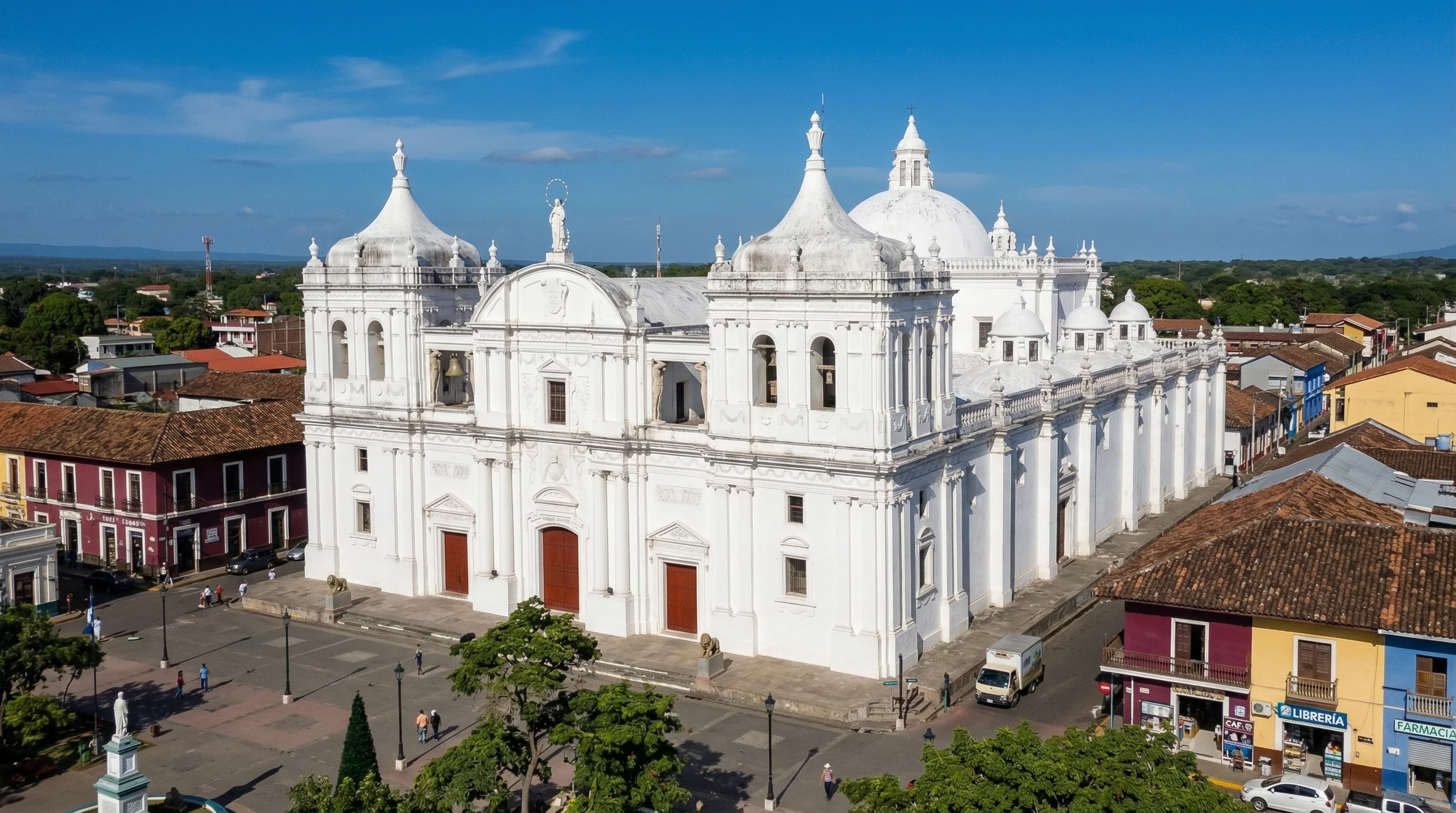
León, Nicaragua, is a strategic logistics origin due to its position as the nation's second-largest city and primary industrial center. It serves as the economic engine of western Nicaragua, with a strong manufacturing base that generates significant outbound freight demand. The city's main industries are globally recognized for leather craftsmanship, footwear production, and textile manufacturing, complemented by robust agricultural sectors producing sugar, coffee, and livestock. This industrial concentration creates consistent volumes of full truckload shipments requiring efficient northbound corridors.
The city's transportation infrastructure is anchored by the CA-1 highway, which provides direct north-south connectivity through Nicaragua to the Guatemalan border. León is also served by the Augusto C. Sandino International Airport in nearby Managua for air cargo integration and has access to Pacific ports like Corinto for multimodal options. This multi-modal potential, combined with its dense industrial cluster, makes León a pivotal starting point for freight destined for Mexico and beyond, demanding reliable and specialized ground transportation solutions.
 Destination
Mexico City
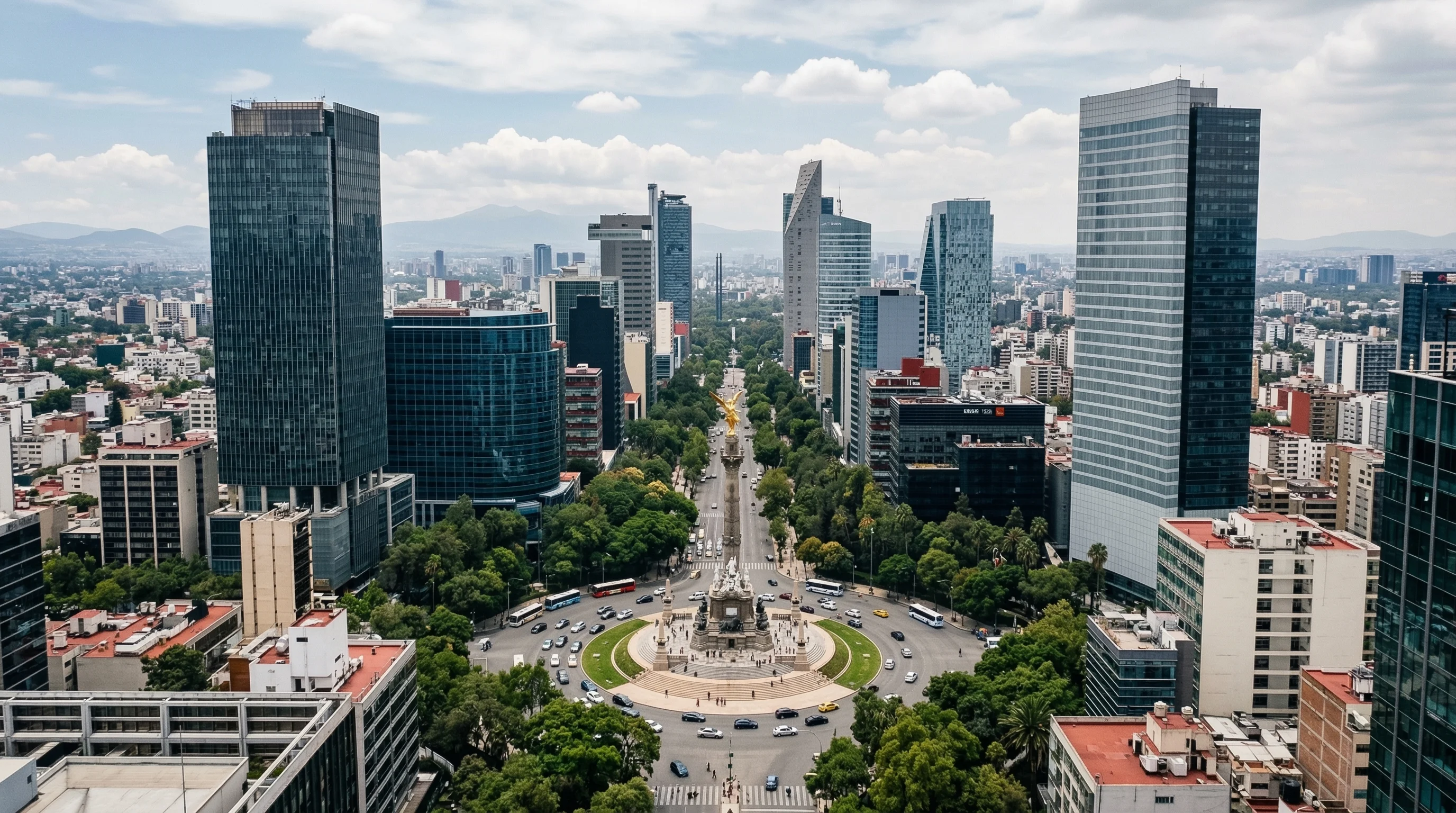
Ciudad de México is a premier logistics destination and the ultimate hub for consumption and manufacturing in Mexico. As one of the world's largest metropolitan economies, its strategic value is immense, attracting freight from across North and Central America. The city's economy is incredibly diversified, dominated by key sectors such as automotive and aerospace manufacturing, electronics, information technology, pharmaceuticals, and a vast consumer goods market. This diversity drives relentless demand for inbound FTL freight to supply factories, distribution centers, and retail networks.
The destination's infrastructure is world-class, featuring an extensive network of federal highways like the 150D and 57 that converge on the city. It is surrounded by major intermodal facilities, inland ports, and is served by Mexico City International Airport (AICM) and nearby ports like Veracruz for sea freight connections. The metropolitan area's sheer scale and industrial density necessitate sophisticated freight management, particularly for cross-border shipments from Central America, making it a critical endpoint that requires expert navigation of urban distribution and customs protocols.










