
Las Vegas to Granada
Granada → Las VegasFTL freight transportation service between Las Vegas and Granada. Reliable logistics solutions for your business.
Route Description
Everything you need to know about the corridor Las Vegas - Granada
The logistics corridor connecting Las Vegas, Nevada, with Granada, Nicaragua, represents a vital link between North and Central America, spanning approximately 3,975 kilometers. This cross-border route facilitates the movement of goods through a complex network of highways, border crossings, and customs procedures. The corridor passes through key Mexican states including Baja California, Sonora, Sinaloa, Nayarit, Jalisco, Michoacán, Guerrero, Oaxaca, Chiapas, and Veracruz, before entering Guatemala and Honduras en route to Nicaragua. Control Terrestre specializes in managing this extensive journey, ensuring seamless coordination across multiple jurisdictions and regulatory environments.
Services for this Route
Available services for the corridor Las Vegas - Granada
 Origin
Las Vegas
Las Vegas serves as a strategic logistics hub in the southwestern United States, offering excellent connectivity through Interstate 15 and Interstate 40. The city's proximity to major West Coast ports and its position as a distribution center for the southwestern states make it an ideal origin point for cross-border freight. Las Vegas's economy, driven by tourism, entertainment, and manufacturing sectors, generates diverse cargo flows including consumer goods, electronics, and specialized equipment. The region's robust transportation infrastructure, including major highways and rail connections, provides multiple options for efficient cargo consolidation and dispatch.
 Destination
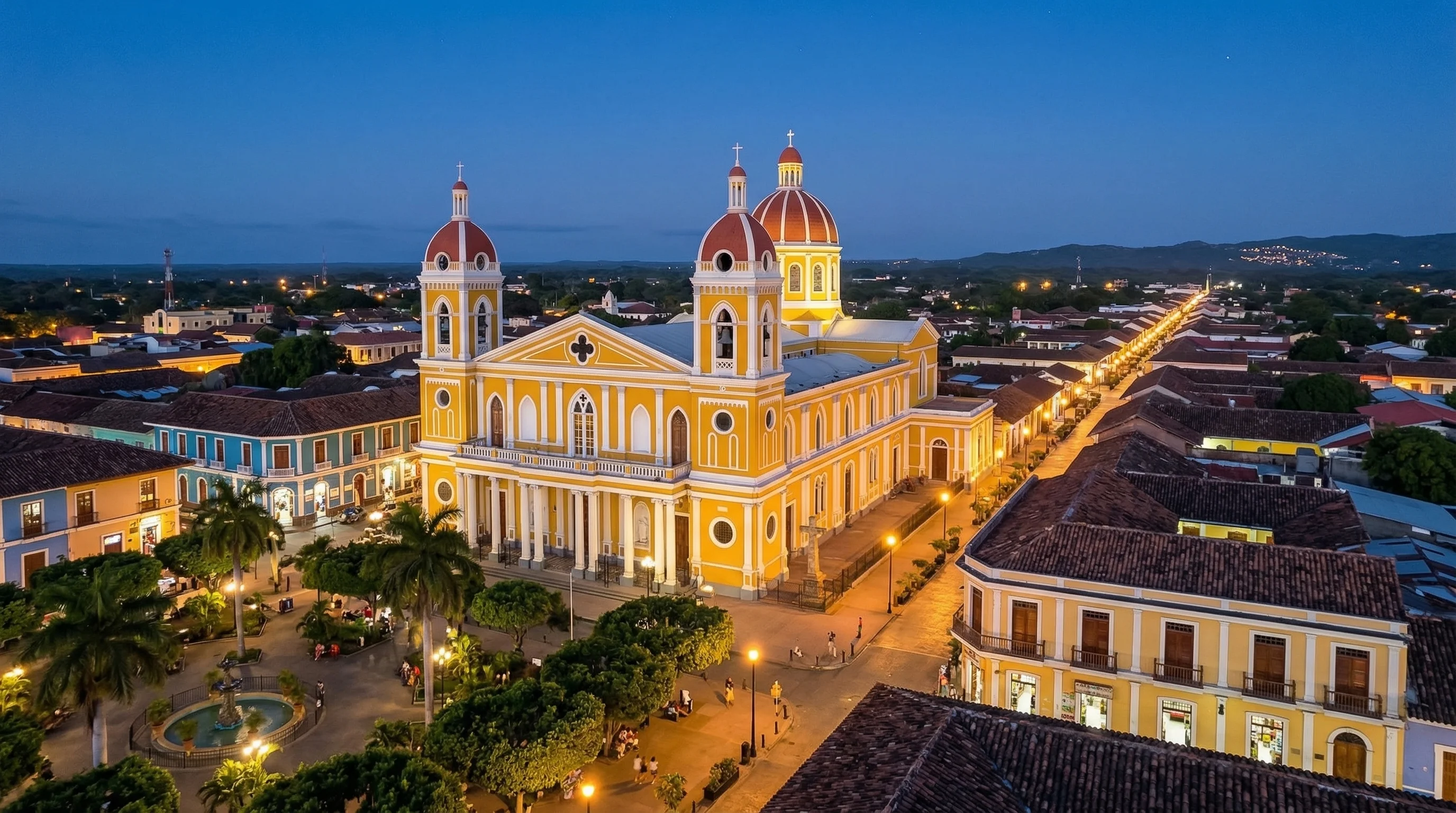
Granada, located in western Nicaragua, represents a key commercial center with strategic access to both Pacific and Atlantic trade routes. The city's position near the capital, Managua, and its proximity to major transportation corridors make it an important destination for international freight. Granada's economy, centered around agriculture, manufacturing, and tourism, creates demand for various imported goods and materials. The region's developing infrastructure, including the nearby port of Corinto and connections to the Pan-American Highway, facilitates efficient distribution throughout Nicaragua and neighboring countries.










