
Lansing to La Ceiba
La Ceiba → LansingFTL freight transportation service between Lansing and La Ceiba. Reliable logistics solutions for your business.
Route Description
Everything you need to know about the corridor Lansing - La Ceiba
The logistics corridor connecting Lansing, Michigan, to La Ceiba, Honduras, represents a vital link in North-South freight transportation across North America and Central America. This 3,006-kilometer cross-border route facilitates the movement of goods between the industrial heartland of the United States and the Caribbean coast of Honduras, serving as a critical supply chain artery for manufacturers, distributors, and exporters.
The corridor traverses diverse geographic and economic regions, beginning in Michigan's manufacturing corridor and extending through major transportation hubs in the Midwest before crossing into Mexico and continuing through Central America. This route connects the automotive, agricultural, and industrial production centers of the northern United States with the growing import-export markets of Honduras, particularly those centered around La Ceiba's Caribbean port facilities.
Key industries utilizing this corridor include automotive parts manufacturing, agricultural products, industrial equipment, and consumer goods destined for both Honduran markets and re-export throughout Central America. The route primarily follows major interstate highways through the United States, connecting to Mexico's Federal Highway system, and continuing through Guatemala and Honduras via their primary north-south corridors.
Control Terrestre facilitates seamless operations on this corridor through our extensive network of certified carriers and our expertise in cross-border logistics. We manage the complexities of customs clearance at multiple international borders, coordinate multi-modal transportation segments, and provide real-time tracking throughout the journey. Our C-TPAT-certified partners ensure expedited processing at U.S. borders, while our experience with Central American customs procedures minimizes delays and ensures reliable delivery to La Ceiba's industrial and commercial zones.
Services for this Route
Available services for the corridor Lansing - La Ceiba
 Origin
Lansing
Lansing, Michigan serves as a strategic logistics hub in the Great Lakes region, offering excellent connectivity to major Midwestern markets and international transportation networks. Located at the intersection of key interstate highways, including I-96 and I-69, Lansing provides direct access to Detroit, Chicago, and other major industrial centers. The city's central location within Michigan's manufacturing belt makes it an ideal origin point for freight distribution throughout the Midwest and beyond. The region's economy is anchored by automotive manufacturing, with numerous suppliers and assembly operations in the surrounding areas. Additionally, Lansing supports a diverse industrial base including agricultural equipment manufacturing, healthcare products, and consumer goods production. The city's transportation infrastructure includes the nearby Capital Region International Airport for air freight, extensive rail connections through Class I railroads, and a network of warehousing and distribution centers that facilitate efficient freight consolidation and distribution.
 Destination
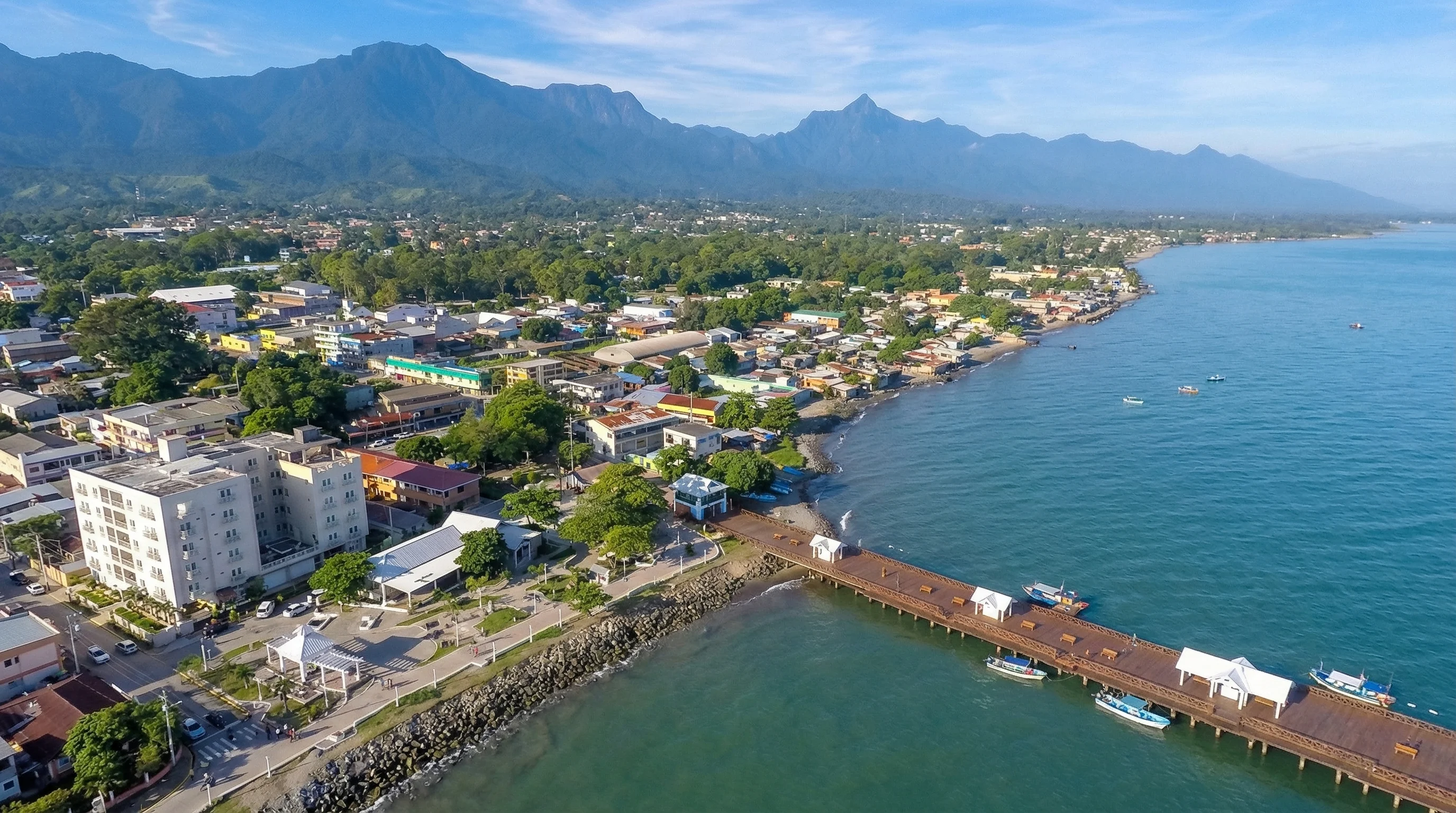
La Ceiba, located on Honduras' Caribbean coast, serves as a crucial gateway for international trade and logistics in Central America. As Honduras' third-largest city and a major port destination, La Ceiba provides strategic access to both domestic markets and re-export opportunities throughout the region. The city's port facilities handle significant volumes of containerized cargo, bulk commodities, and project cargo, making it an essential node in Central American supply chains. The local economy benefits from tourism, agriculture, and light manufacturing, with growing sectors in electronics assembly and food processing. La Ceiba's transportation infrastructure includes the Golosón International Airport for air cargo, a modern port facility capable of handling various cargo types, and connections to Honduras' national highway system. The city's proximity to major Central American trade routes and its role as a Caribbean port make it an ideal destination for freight originating from North American industrial centers, particularly for goods destined for distribution throughout Honduras and neighboring countries.










