
Lansing to Juigalpa
Juigalpa → LansingFTL freight transportation service between Lansing and Juigalpa. Reliable logistics solutions for your business.
Route Description
Everything you need to know about the corridor Lansing - Juigalpa
The Lansing-Juigalpa corridor connects the industrial heart of Michigan with the agricultural and commercial center of Nicaragua, covering approximately 3,408 kilometers through a vital cross-border route. This corridor represents a strategic link between North American manufacturing capabilities and Central American distribution networks, facilitating the movement of goods that support both regional economies. The route traverses diverse landscapes and crosses multiple international borders, requiring expert coordination and specialized knowledge of cross-border logistics operations.
The corridor's economic significance stems from Lansing's strong automotive and manufacturing base, which produces components and finished goods destined for Central American markets. Juigalpa serves as a key distribution hub for eastern Nicaragua, with its strategic location providing access to both domestic markets and neighboring countries. The route supports industries including automotive parts, agricultural equipment, consumer goods, and industrial machinery, with growing demand for refrigerated transportation of perishable products and temperature-sensitive materials.
Transportation infrastructure along this corridor includes major interstate highways in the United States, connecting to Mexico's comprehensive road network, and continuing through Central America's Pan-American Highway system. Key border crossings at Laredo/Nuevo Laredo and other strategic points require careful coordination of customs procedures and documentation. Control Terrestre facilitates seamless operations through our network of certified carriers, expertise in cross-border regulations, and comprehensive door-to-door service that ensures your freight moves efficiently from origin to destination.
Services for this Route
Available services for the corridor Lansing - Juigalpa
 Origin
Lansing
Lansing, Michigan serves as a strategic logistics hub in the Great Lakes region, offering exceptional connectivity through its central location in the Midwest. The city's proximity to major transportation arteries including I-96, I-496, and I-69 provides direct access to Detroit, Chicago, and other key manufacturing centers. Lansing's well-developed infrastructure includes the Capital Region International Airport and rail connections through Class I railroads, making it an ideal origin point for freight distribution to international markets.
The economic base of Lansing is diverse, with the automotive industry historically dominating the landscape through major employers like General Motors. The city has successfully diversified into healthcare, education, and technology sectors, creating a robust manufacturing ecosystem that produces automotive components, industrial machinery, and specialized equipment. This industrial diversity generates consistent freight volumes and supports year-round transportation needs for both raw materials and finished goods.
 Destination
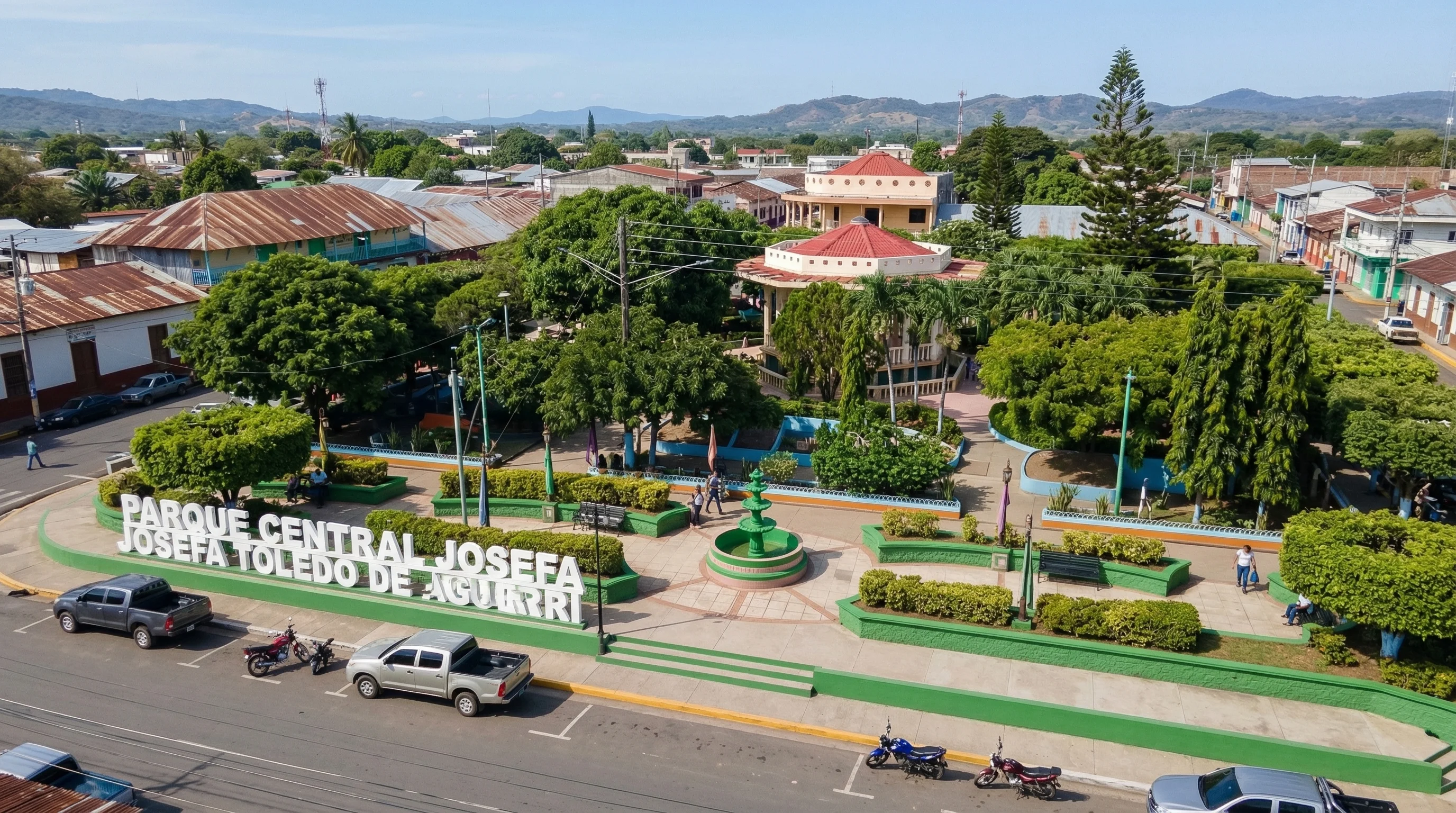
Juigalpa, located in the Chontales department of Nicaragua, represents a strategic logistics center for eastern Nicaragua and surrounding regions. The city's position in the central highlands provides access to both Pacific and Atlantic trade routes, while its road connections link to Managua and other major urban centers. Juigalpa serves as a commercial hub for the agricultural region known for cattle ranching, dairy production, and crop cultivation, creating diverse freight transportation needs.
The local economy centers on agriculture, livestock, and emerging commercial activities, with growing demand for industrial inputs and consumer goods from North American markets. Juigalpa's infrastructure includes paved highways connecting to the Pan-American Highway system and secondary roads serving rural communities. The city's role as a distribution center for eastern Nicaragua makes it a key destination for freight shipments, particularly for agricultural equipment, construction materials, and consumer products that support the region's economic development.










