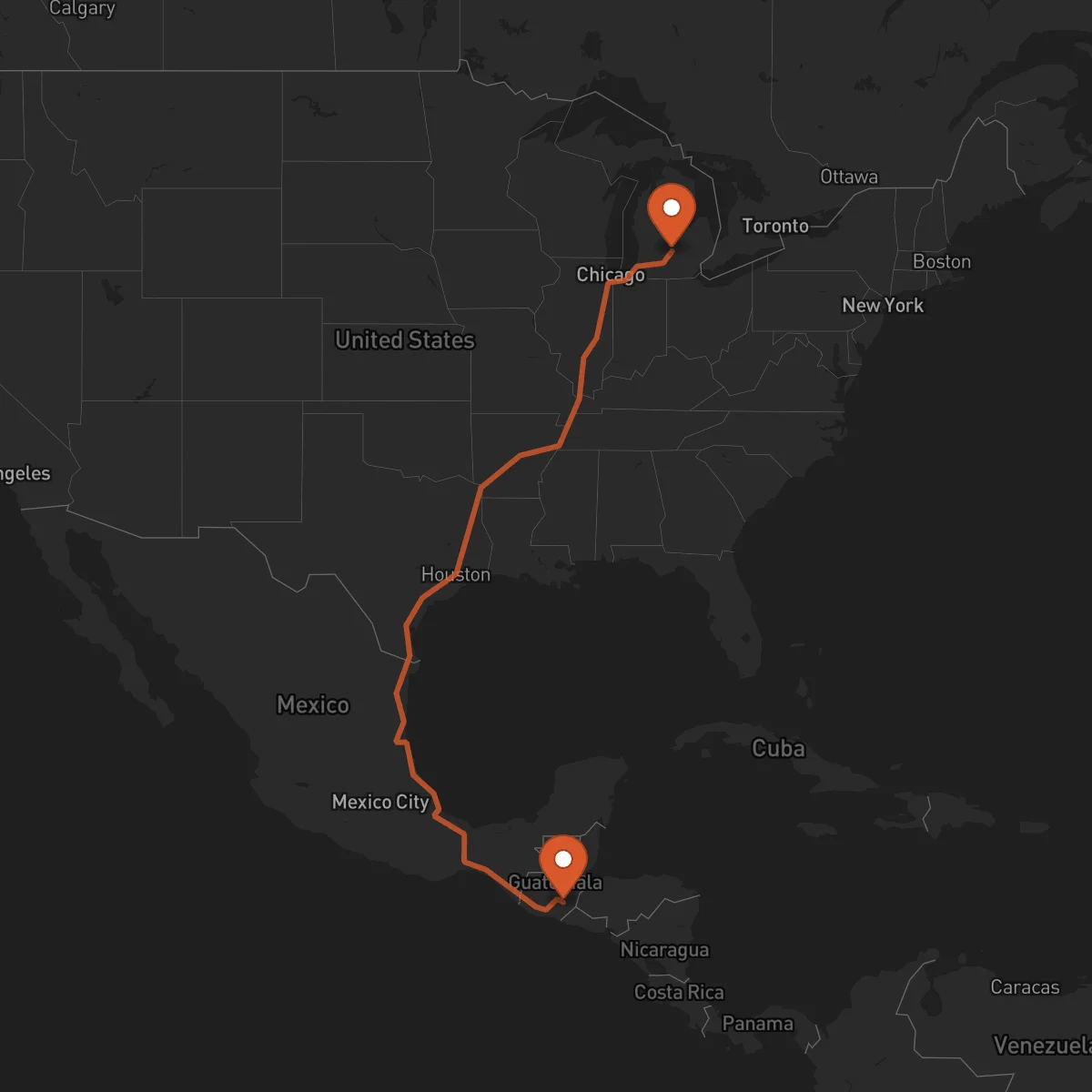
Lansing to Jalapa
Jalapa → LansingFTL freight transportation service between Lansing and Jalapa. Reliable logistics solutions for your business.
Route Description
Everything you need to know about the corridor Lansing - Jalapa
The logistics corridor between Lansing, Michigan, and Jalapa, Guatemala, represents a vital cross-border connection spanning approximately 3,168 kilometers. This route traverses the United States, Mexico, and Guatemala, facilitating the movement of goods between North and Central America. The corridor's strategic importance lies in its ability to connect the industrial Midwest of the United States with the growing markets of Central America, enabling efficient supply chain operations for businesses looking to expand their reach across the continent.
The economic and industrial context of this corridor is diverse, with Lansing serving as a hub for automotive manufacturing, technology, and healthcare industries. As the capital of Michigan, it also hosts numerous government and administrative functions. Jalapa, located in eastern Guatemala, is known for its agricultural production, particularly in coffee, vegetables, and ornamental plants. The corridor serves industries such as automotive parts, electronics, agricultural machinery, and consumer goods, supporting both import and export activities between the regions.
Transportation infrastructure along this route includes major highways such as I-69, I-35, and Mexican Federal Highways 85 and 190. Key border crossings include Laredo-Nuevo Laredo and Ciudad Hidalgo-Tecún Umán, where efficient customs processing is crucial for maintaining supply chain momentum. Control Terrestre facilitates operations on this corridor by leveraging our extensive network of certified carriers, ensuring compliance with cross-border regulations, and providing end-to-end logistics solutions that optimize transit times and minimize disruptions.
Services for this Route
Available services for the corridor Lansing - Jalapa
 Origin
Lansing
Lansing, Michigan, is strategically positioned in the heart of the Great Lakes region, offering excellent connectivity to major markets across the United States. As the state capital, it benefits from a robust infrastructure network, including proximity to major highways such as I-96 and I-496, which connect to the broader interstate system. The city is also served by Capital Region International Airport and rail services, enhancing its multimodal transportation capabilities. Lansing's economy is anchored by the automotive industry, with Michigan being a global hub for vehicle manufacturing, as well as technology, healthcare, and education sectors. These industries create a consistent demand for freight transportation, particularly for specialized and time-sensitive shipments.
 Destination
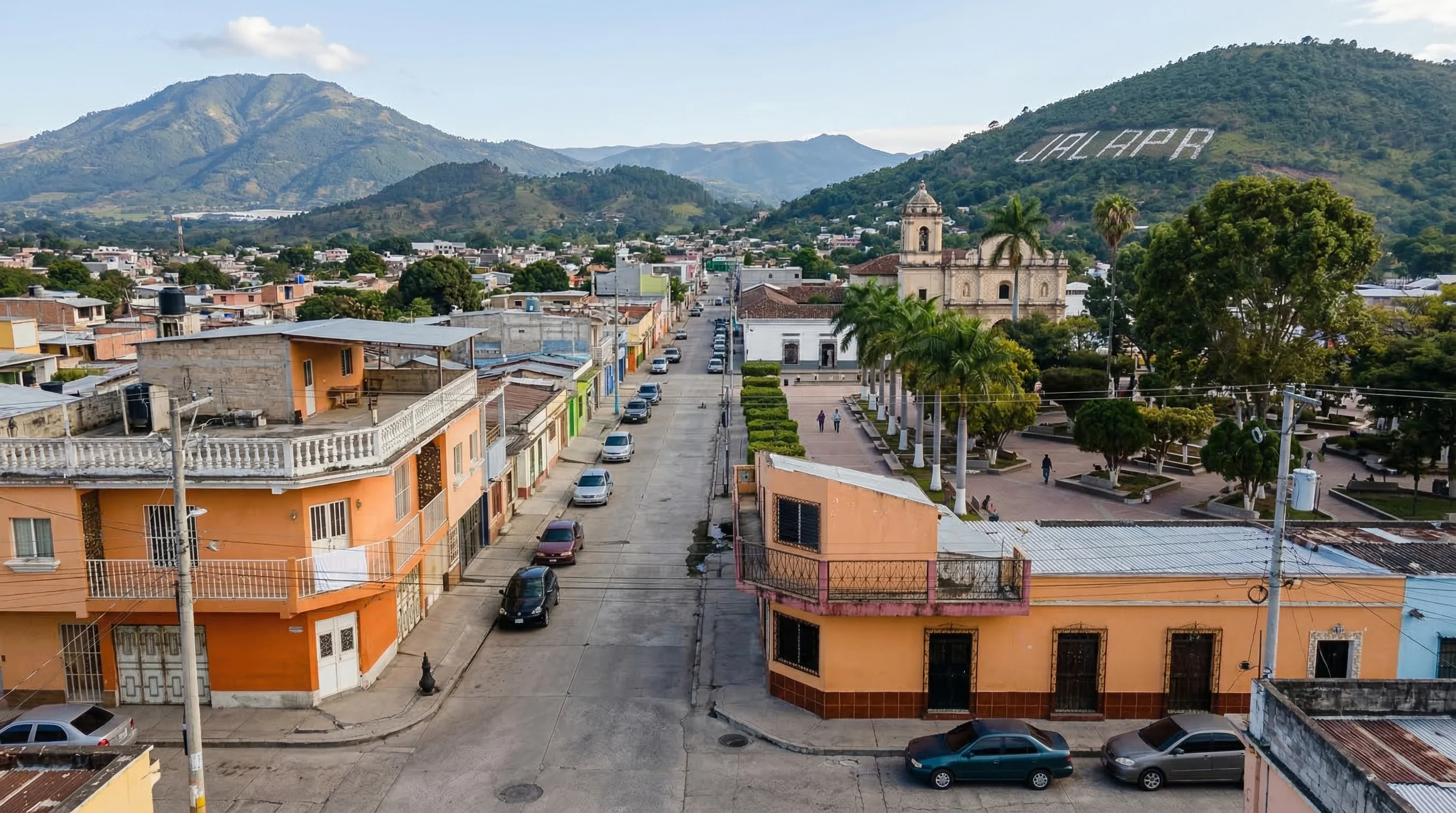
Jalapa, Guatemala, is strategically located in the eastern part of the country, near the borders with Honduras and El Salvador, making it a key point for regional trade and logistics. The city is connected to Guatemala's highway network, including CA-10 and CA-13, which link it to major ports and border crossings. Jalapa's economy is primarily driven by agriculture, with coffee, vegetables, and ornamental plants being significant exports. The region also has growing industrial activity, including food processing and light manufacturing. While its infrastructure is developing, Jalapa's proximity to international borders and its role in Guatemala's agricultural supply chain make it an important destination for cross-border freight transportation.










