
Lansing to Granada
Granada → LansingFTL freight transportation service between Lansing and Granada. Reliable logistics solutions for your business.
Route Description
Everything you need to know about the corridor Lansing - Granada
The logistics corridor connecting Lansing, Michigan to Granada, Nicaragua represents a vital trade link between North and Central America. This cross-border route spans approximately 3,427 kilometers, traversing diverse terrain and multiple international boundaries. The corridor facilitates the movement of goods between the industrial heartland of the United States and the growing markets of Central America, serving as a critical artery for regional commerce and supply chain operations.
The economic significance of this corridor is substantial, connecting Michigan's manufacturing and automotive sectors with Nicaragua's agricultural, textile, and emerging industrial base. Key industries utilizing this route include automotive parts, agricultural equipment, consumer goods, and industrial machinery moving southbound, while northbound traffic typically includes tropical products, textiles, and manufactured goods from Central American free trade zones.
Transportation infrastructure along this corridor includes major interstate highways in the United States (I-69, I-65, I-10) connecting to Mexican Federal Highways (MEX-180D, MEX-150D) and Central American routes. The journey involves strategic border crossings including Laredo-Nuevo Laredo and El Amatillo-Olomega, where efficient customs clearance is essential. Control Terrestre's expertise in cross-border operations ensures seamless transit through these critical points, managing documentation, compliance requirements, and coordination with customs authorities.
Control Terrestre facilitates operations on this corridor through our comprehensive full truckload (FTL) services, dedicated equipment options, and strategic partnerships with certified carriers. Our C-TPAT and BASC certified network ensures secure, reliable transportation while our experience with specialized cargo handling accommodates the diverse needs of industries along this route. We provide end-to-end visibility and support throughout the journey, from origin in Lansing to final destination in Granada, optimizing transit times and ensuring cargo integrity across this extensive cross-border corridor.
Services for this Route
Available services for the corridor Lansing - Granada
 Origin
Lansing
Lansing, Michigan serves as a strategic logistics hub in the American Midwest, benefiting from its central location within the Great Lakes region. The city's proximity to major transportation networks, including I-96, I-496, and I-69, provides excellent connectivity to national freight corridors. Lansing's industrial base, anchored by automotive manufacturing and technology sectors, generates substantial freight volume requiring efficient transportation solutions to international markets.
The region's infrastructure includes the nearby Capital Region International Airport for air cargo, rail connections via Canadian National Railway, and extensive warehousing facilities supporting distribution operations. Michigan's automotive cluster, including suppliers and manufacturers in the Lansing area, creates consistent demand for cross-border freight services, particularly for time-sensitive components and finished products destined for markets throughout the Americas.
 Destination
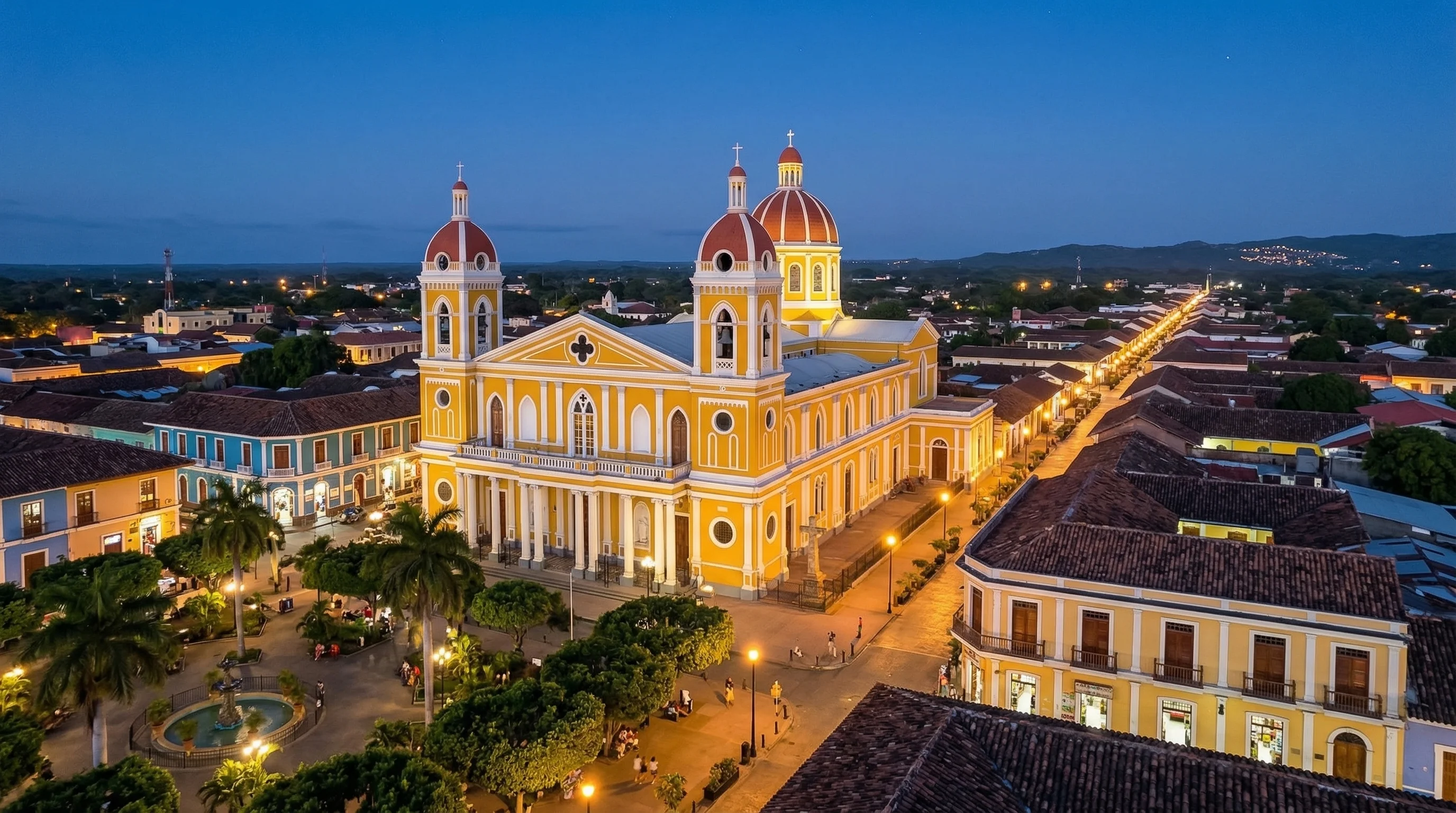
Granada, Nicaragua occupies a strategic position in Central America as a key commercial center near the country's Pacific coast. Located just 45 kilometers from Managua, Nicaragua's capital and primary logistics hub, Granada benefits from proximity to the Pan-American Highway and modern transportation infrastructure connecting to major ports including Corinto and Puerto Sandino. The city's location facilitates distribution throughout Nicaragua and neighboring countries.
The region's economy encompasses tourism, agriculture, and light manufacturing, with growing industrial parks supporting export-oriented production. Granada's infrastructure includes access to the Augusto C. Sandino International Airport in Managua for air freight, highway connections to the Pacific coast, and integration with Nicaragua's expanding logistics network. The area's participation in trade agreements and free zones creates opportunities for cross-border freight movements, particularly for manufactured goods, agricultural products, and consumer merchandise.










