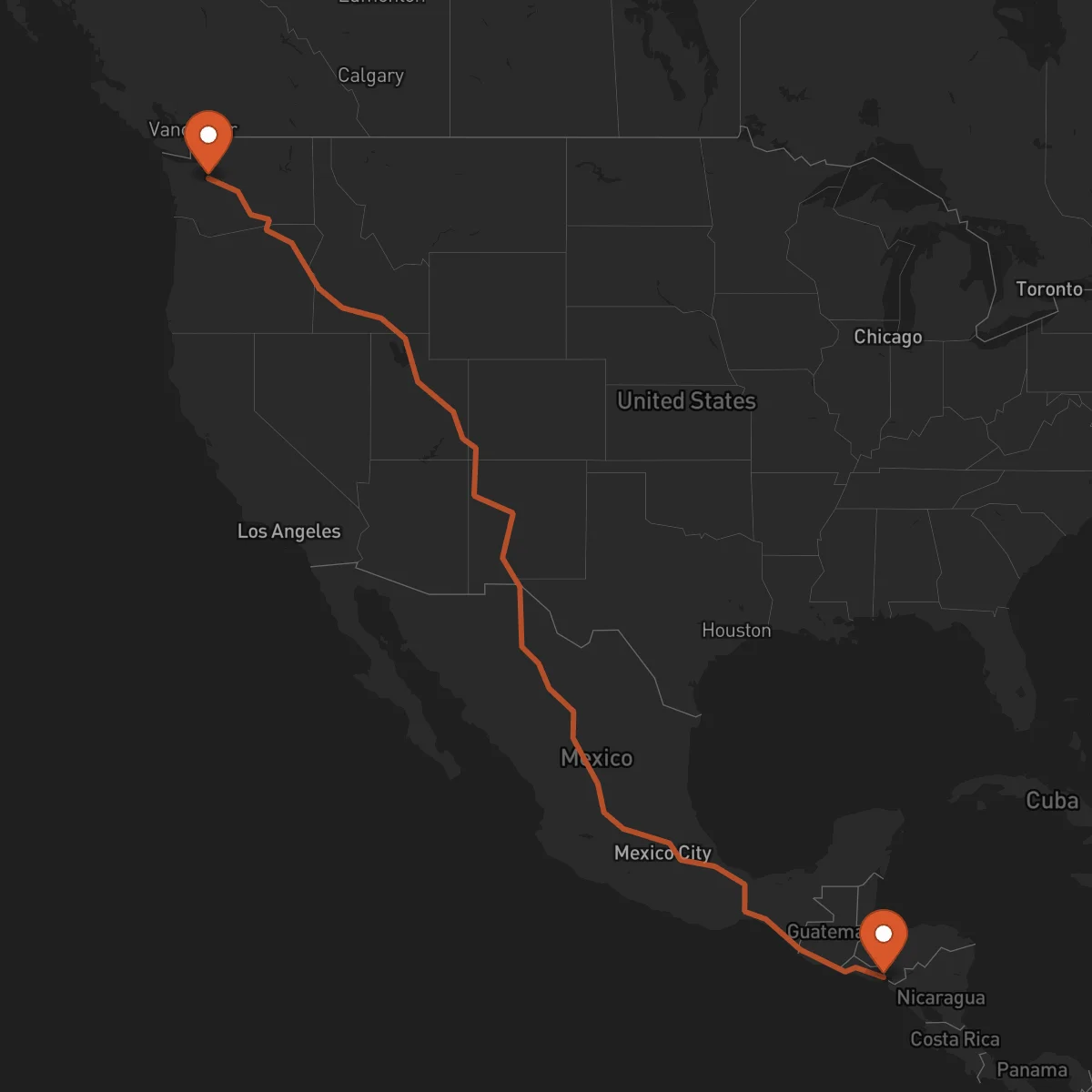
La Unión to Seattle
Seattle → La UniónFTL freight transportation service between La Unión and Seattle. Reliable logistics solutions for your business.
Route Description
Everything you need to know about the corridor La Unión - Seattle
The La Unión to Seattle corridor represents a vital north-south artery connecting Central America's Pacific coast to the Pacific Northwest of the United States. Spanning approximately 4,967 km, this cross-border route is a strategic lifeline for trade, facilitating the movement of goods between key economic regions and leveraging major port infrastructure on both ends. Its importance is underscored by the volume of agricultural, manufactured, and specialized cargo it handles, making it a cornerstone of regional supply chains.
Economically, the corridor bridges diverse industrial landscapes. Originating in El Salvador, a nation with a strong export-oriented economy focused on agriculture (coffee, sugar), textiles, and light manufacturing, the route channels products toward the massive consumer and tech markets of the U.S. Pacific Northwest. Seattle, as a major metropolitan hub, drives demand for a wide array of goods, from raw materials for its aerospace and technology sectors to consumer products and specialty items. The corridor supports industries such as food and beverage, apparel, industrial components, and hazardous materials, requiring versatile and reliable transportation solutions.
Infrastructure along the route is a mosaic of international highways. From La Unión, cargo typically moves north via the CA-1 highway through El Salvador and Guatemala, entering Mexico through crossings like Ciudad Hidalgo. Within Mexico, primary arteries such as the Mexico 190 and the federal highway network connect to key border crossings with the United States, often through Texas or Arizona. Once in the U.S., the route converges on the robust Interstate Highway System, predominantly utilizing I-5 for the final leg to Seattle—a direct, major north-south corridor on the West Coast. Key U.S. border crossings like El Paso, Laredo, or Nogales are critical nodes where customs and security protocols are meticulously managed.
At Control Terrestre, we facilitate seamless operations on this complex corridor through our strategic alliance of certified transportation providers. Our expertise lies in navigating the intricate cross-border requirements, including customs clearance and security programs like C-TPAT and FAST. We exclusively provide Full Truckload (FTL) solutions, offering dedicated, expedited, and specialized services (including for oversized or hazardous cargo) with equipment such as 53' dry vans, reefers, and flatbeds. By managing the entire door-to-door journey—from the port of La Unión to warehouses in Seattle—we provide our clients with a single, human point of contact to optimize their supply chain across this demanding international route.
Services for this Route
Available services for the corridor La Unión - Seattle
 Origin
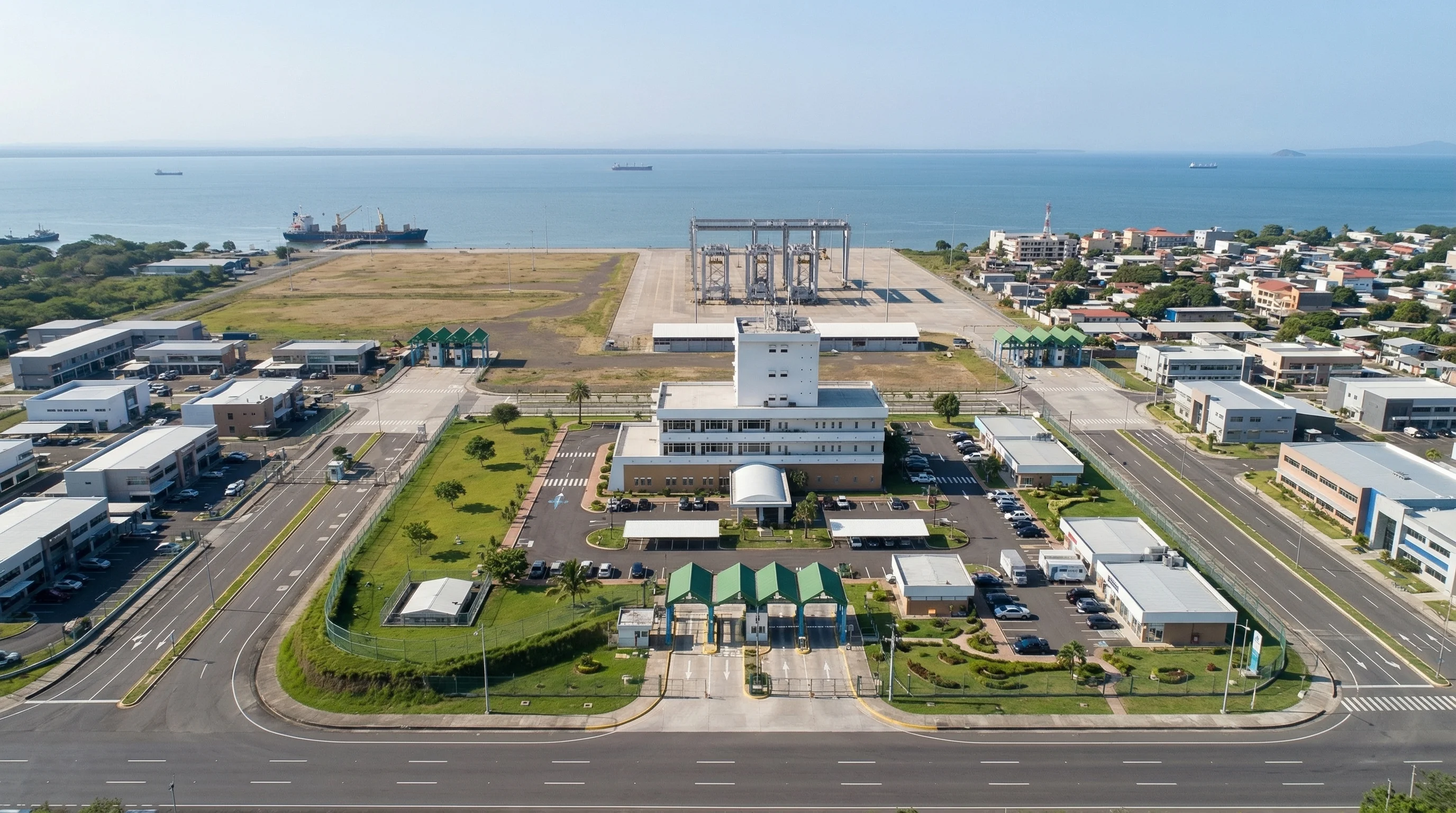
La Unión
La Unión, located in southeastern El Salvador, is a strategically critical logistics hub due to its direct access to the Port of La Unión, one of the country's primary deep-water ports. This location provides a natural gateway for maritime cargo entering Central America, connecting the Pacific Ocean to the regional road network. The city and its surrounding department are economically significant for El Salvador, with key industries including coffee production and export, sugar, seafood, and light manufacturing, particularly textiles and apparel. The available transportation infrastructure is anchored by the port itself and the CA-1 highway, which runs along the coast and serves as the main terrestrial artery northward into Guatemala and Mexico, enabling efficient consolidation and dispatch of export freight.
 Destination
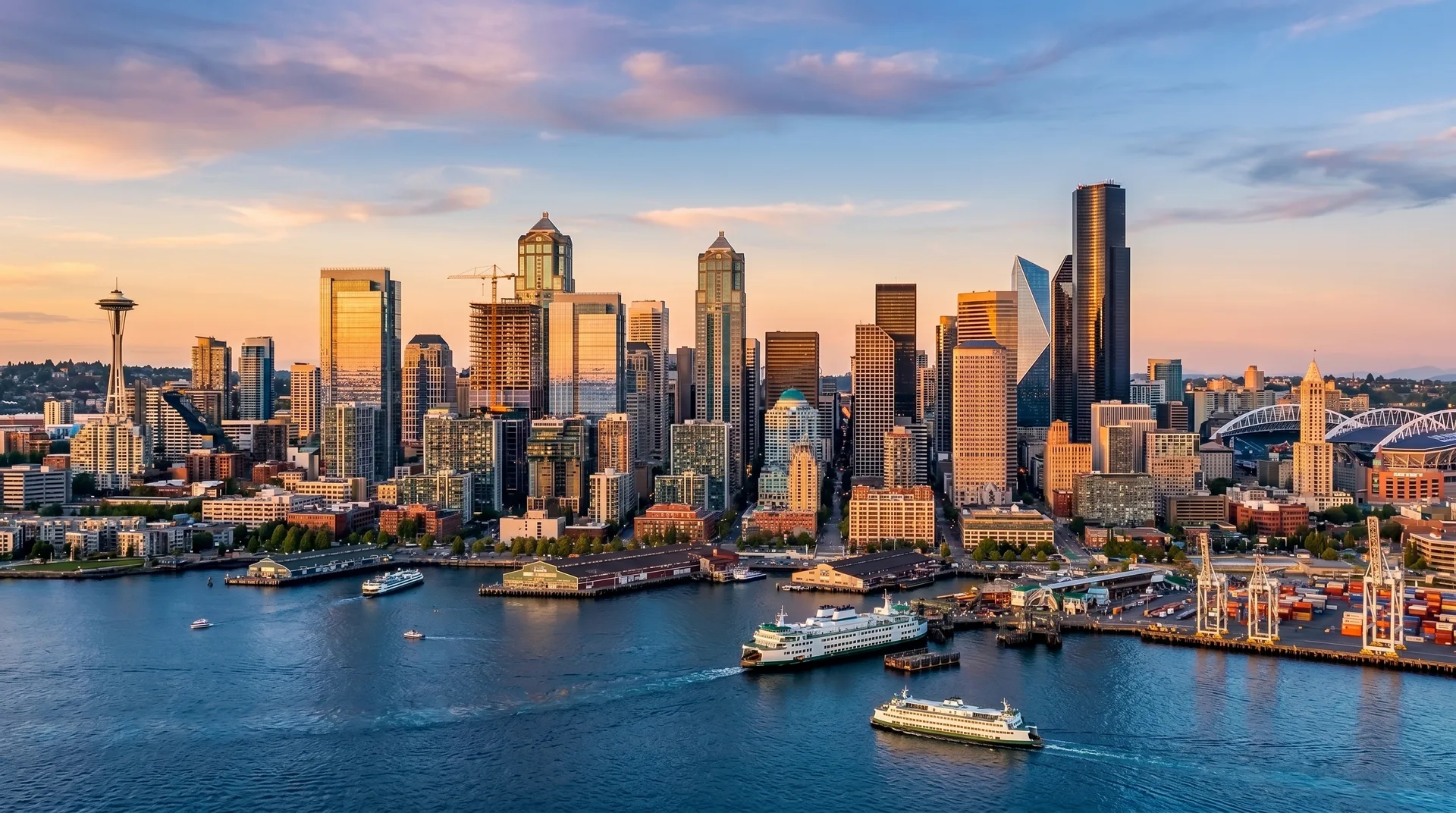
Seattle
Seattle, Washington, is a premier logistics and economic gateway for the Pacific Northwest and a critical destination for international freight. Its strategic location is amplified by the Port of Seattle, a major container port handling substantial trade with Asia and Latin America, and its integration with extensive rail and highway networks. The city's economy is powered by dominant sectors such as aerospace (Boeing), technology (software, cloud computing), maritime industries, and advanced manufacturing. This creates consistent demand for inbound FTL freight, from raw materials and components to finished goods. The primary transportation infrastructure is the Interstate 5 corridor, which provides a direct, high-capacity route from the U.S.-Mexico border through Oregon and into Washington, ensuring efficient final-mile delivery to Seattle's industrial parks, ports, and distribution centers.










