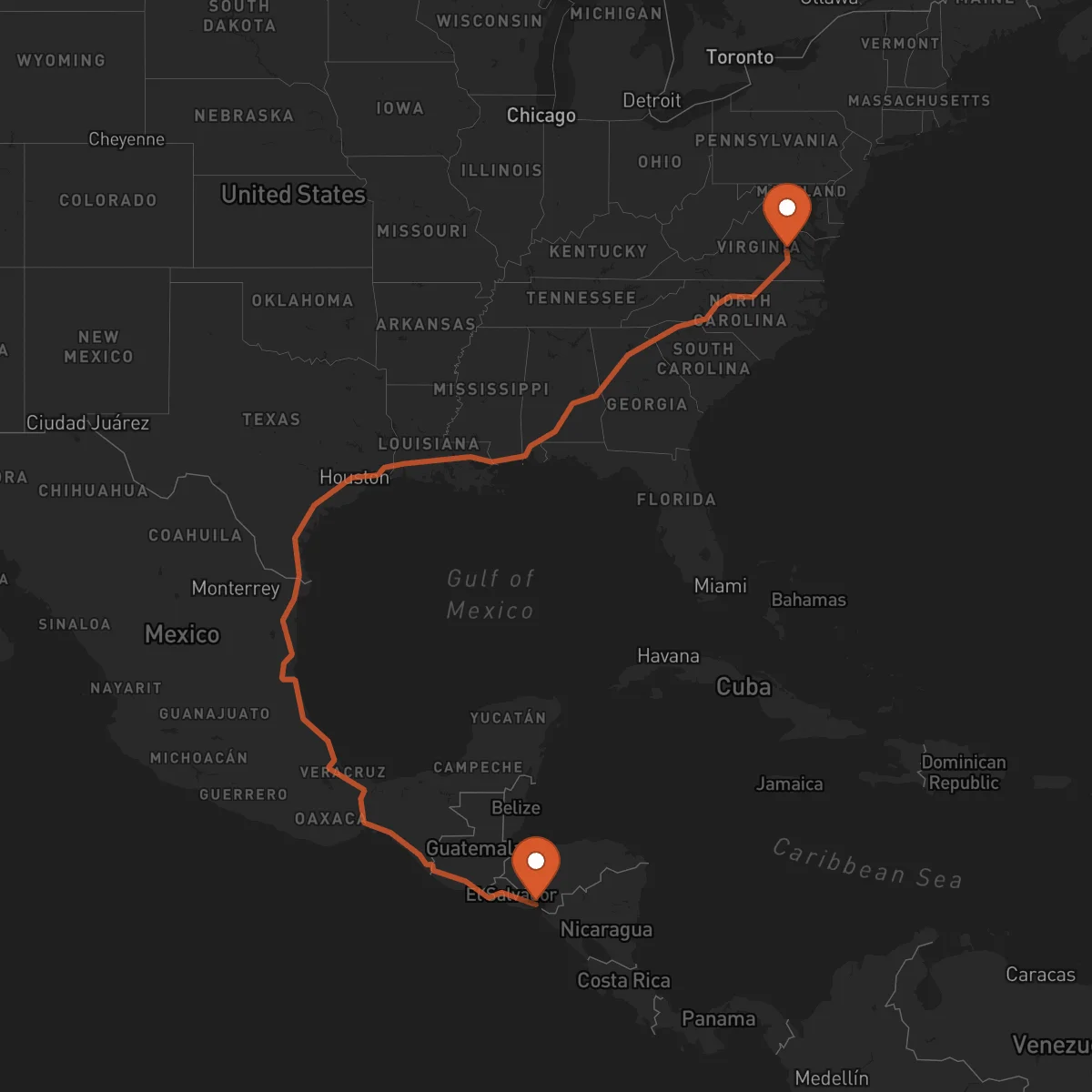
La Unión to Richmond
Richmond → La UniónFTL freight transportation service between La Unión and Richmond. Reliable logistics solutions for your business.
Route Description
Everything you need to know about the corridor La Unión - Richmond
The La Unión to Richmond corridor represents a vital north-south artery connecting Central America's Pacific coast with the industrial heartland of the U.S. East Coast. Spanning approximately 2,882 kilometers, this cross-border route is strategically critical for moving goods efficiently between El Salvador's key export regions and the major consumption and manufacturing markets of Virginia and the broader Mid-Atlantic. The corridor's importance is amplified by its role in integrating supply chains across multiple nations, facilitating the flow of diverse commodities from raw materials to finished goods.
Economically, the corridor serves regions with complementary industrial profiles. The origin area in El Salvador is a hub for agriculture, textiles, and light manufacturing, while Richmond is a center for advanced manufacturing, distribution, chemicals, and tobacco products. This dynamic creates consistent demand for full truckload (FTL) freight movement in both directions. Key industries leveraging this lane include agricultural processors, apparel manufacturers, industrial suppliers, and consumer goods distributors seeking reliable, dedicated capacity.
Infrastructure along the route is robust but complex, involving multiple national highway systems. The journey typically utilizes Central America's CA-1 highway network, traverses the extensive Mexican federal highway system (including routes like Mexico 150 and 57), and ultimately connects to the U.S. Interstate 95 corridor, which provides direct access to Richmond. Critical border crossings, such as those between Guatemala-Mexico and Mexico-United States (e.g., Laredo/El Paso corridors), are managed with precision. Control Terrestre facilitates seamless operations on this corridor by leveraging our alliance of certified providers with C-TPAT and FAST credentials, ensuring compliance at every border. Our expertise in cross-border documentation, customs brokerage coordination, and dedicated FTL services mitigates delays, providing our clients with a streamlined, human-centric logistics solution from door to door.
Services for this Route
Available services for the corridor La Unión - Richmond
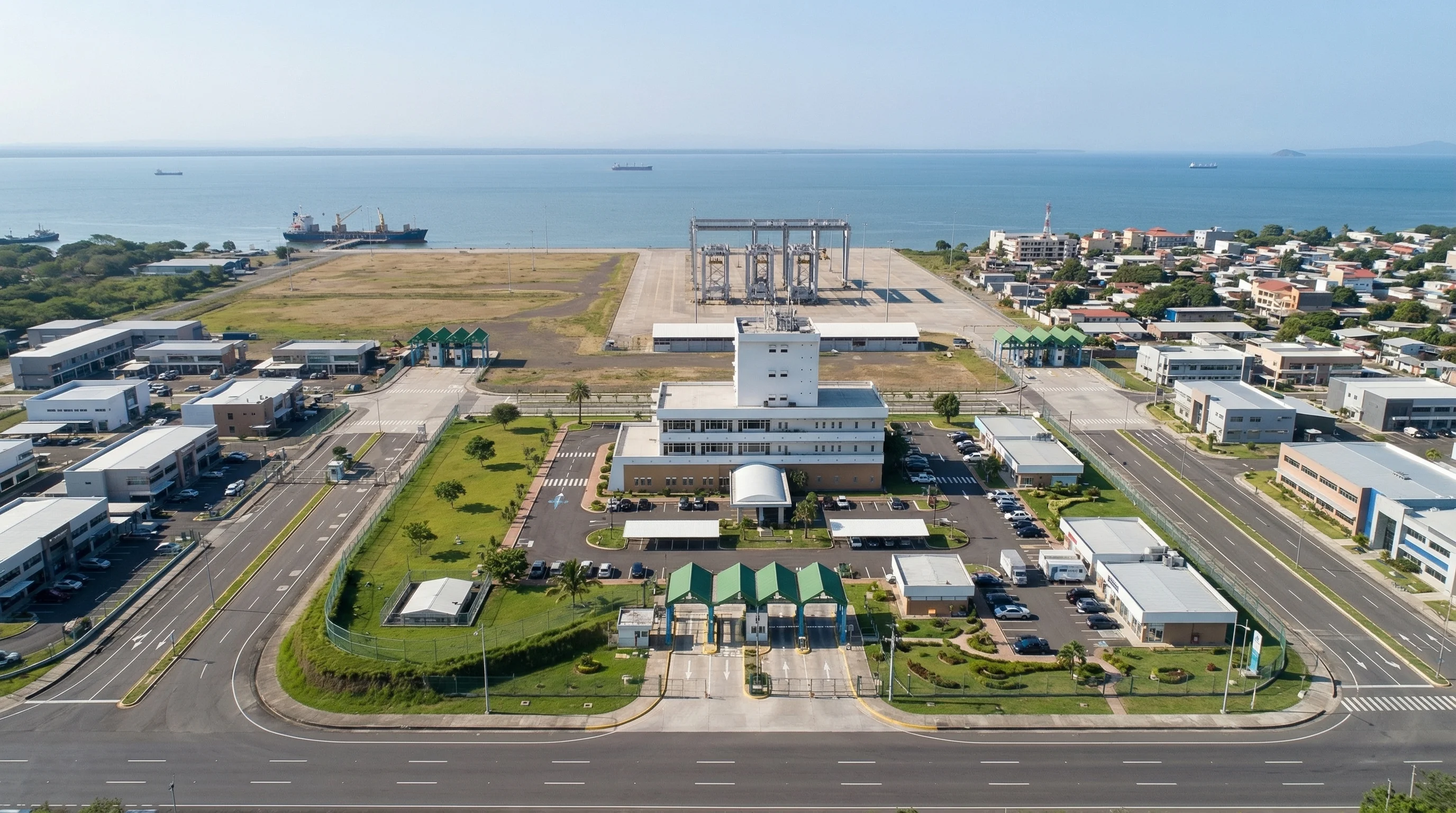 Origin
La Unión
La Unión, located in southeastern El Salvador, is a strategically significant Pacific port city and the capital of the La Unión department. Its primary strategic advantage is the Port of La Unión, a key maritime gateway for international trade in Central America, handling containerized and bulk cargo. This port infrastructure makes the city a natural logistics origin point for exports from El Salvador and neighboring countries. The surrounding region's economy is driven by agriculture (coffee, sugar cane, and tropical fruits), textiles and apparel manufacturing (maquilas), and artisanal fishing. The city is well-connected by the CA-1 highway, which runs along El Salvador's coast and provides the main terrestrial link to Guatemala and the rest of the Central American highway network, enabling efficient consolidation of goods for long-haul northbound transport.
 Destination
Richmond
Richmond, Virginia, is a major logistics and industrial hub on the U.S. East Coast with exceptional strategic value. Its location at the intersection of Interstate 95 (the primary Northeast corridor) and Interstate 64 provides direct, high-capacity road access to major markets from Washington, D.C. to Florida and the Midwest. The city is home to a diverse industrial base, including chemical manufacturing, tobacco processing, advanced plastics, and a massive distribution sector with numerous warehouses and fulfillment centers. The presence of the Port of Virginia (Richmond Marine Terminal) offers intermodal options, though the corridor's focus is on direct truckload. Richmond's infrastructure, including extensive rail yards and its position within a day's drive of 60% of the U.S. population, makes it an optimal destination for full truckload shipments requiring efficient last-mile distribution or production supply.










