La Paz to San Carlos
San Carlos → La PazFTL freight transportation service between La Paz and San Carlos. Reliable logistics solutions for your business.
Route Description
Everything you need to know about the corridor La Paz - San Carlos
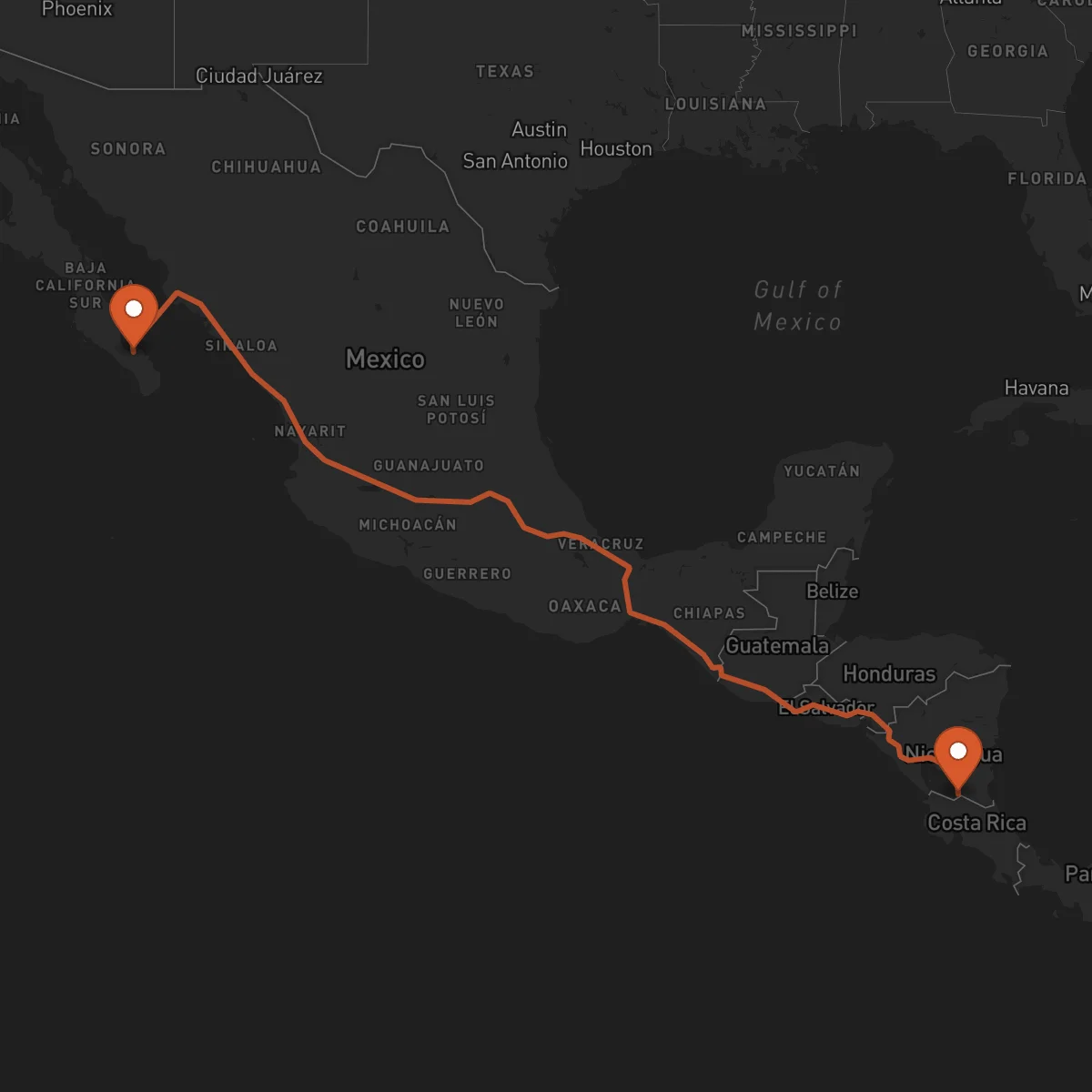
The corridor connecting La Paz, Baja California Sur, Mexico, to San Carlos, Río San Juan, Nicaragua, spans approximately 3,060 kilometers and represents a vital cross-border logistics route linking the Pacific coast of northwestern Mexico to southern Central America. This corridor serves as a strategic gateway for freight movement between Mexico and Nicaragua, facilitating trade flows that support the economies of both nations and the broader region. Its importance continues to grow as companies seek reliable ground transportation solutions to connect supply chains across North and Central America.
The economic landscape along this corridor is diverse and dynamic. In Mexico, the states of Baja California Sur, Sinaloa, Sonora, and Nayarit contribute significantly through tourism, agriculture, fishing, and manufacturing sectors. As the route extends southward through Central America, it passes through key agricultural and industrial zones in Guatemala, Honduras, El Salvador, and Nicaragua. Major industries utilizing this corridor include fresh produce and seafood exporters, automotive parts manufacturers, construction materials suppliers, and consumer goods distributors. The corridor enables these industries to reach markets across the region efficiently.
Transportation infrastructure along this route primarily relies on Mexico's Federal Highway 1 and Highway 15, which run through the Baja California peninsula and connect to the mainland via ferry services from La Paz to Mazatlán or Topolobampo. From there, the Pan-American Highway system (Interamericana) provides the backbone for southward freight movement through Central America. Key border crossings include the Mexico-Guatemala border at Ciudad Hümecto or La Mesilla, as well as the Guatemala-Honduras, Honduras-El Salvador, and El Salvador-Nicaragua crossings, each requiring proper customs documentation and compliance with regional trade agreements. Companies must navigate varying customs regulations, cargo declarations, and phytosanitary requirements depending on the goods being transported.
At Control Terrestre, we facilitate operations along this corridor through our alliance of experienced and strategic transportation providers. We offer dedicated full truckload (FTL) services tailored to the specific needs of each shipment, whether it involves dry van, refrigerated, or specialized cargo. Our providers hold certifications including C-TPAT, FAST, and BASC, ensuring secure and compliant cross-border operations. We coordinate the entire logistics process, from pickup in La Paz to final delivery in San Carlos, managing customs procedures and documentation to provide our clients with seamless freight solutions across this important regional corridor.
Services for this Route
Available services for the corridor La Paz - San Carlos
 Origin
La Paz
La Paz, the capital of Baja California Sur, is strategically positioned on the eastern coast of the Baja California peninsula along the Gulf of California. Its geographic location makes it a natural logistics hub for freight originating from or destined to the peninsula's growing economic sectors. The city's port infrastructure supports maritime connections to mainland Mexico, particularly ferry services linking La Paz to Mazatlán and Topolobampo, which are essential for ground freight continuity.
The main industries driving freight demand in La Paz include tourism, fishing and seafood processing, agriculture (particularly organic produce and dates), construction, and an expanding manufacturing sector. The region's growing population and infrastructure development projects generate consistent demand for building materials, consumer goods, and industrial supplies. Additionally, La Paz serves as a distribution point for goods moving throughout the Baja California Sur state.
Transportation infrastructure in La Paz includes Federal Highway 1, which runs the length of the Baja California peninsula, connecting the city to Ensenada in the north and Cabo San Lucas in the south. The Manuel Márquez de León International Airport provides air cargo capabilities, while the ferry terminal offers critical maritime connections to the mainland. These multimodal options allow Control Terrestre to coordinate efficient freight movements originating from La Paz and connecting to the broader cross-border corridor.
 Destination
San Carlos
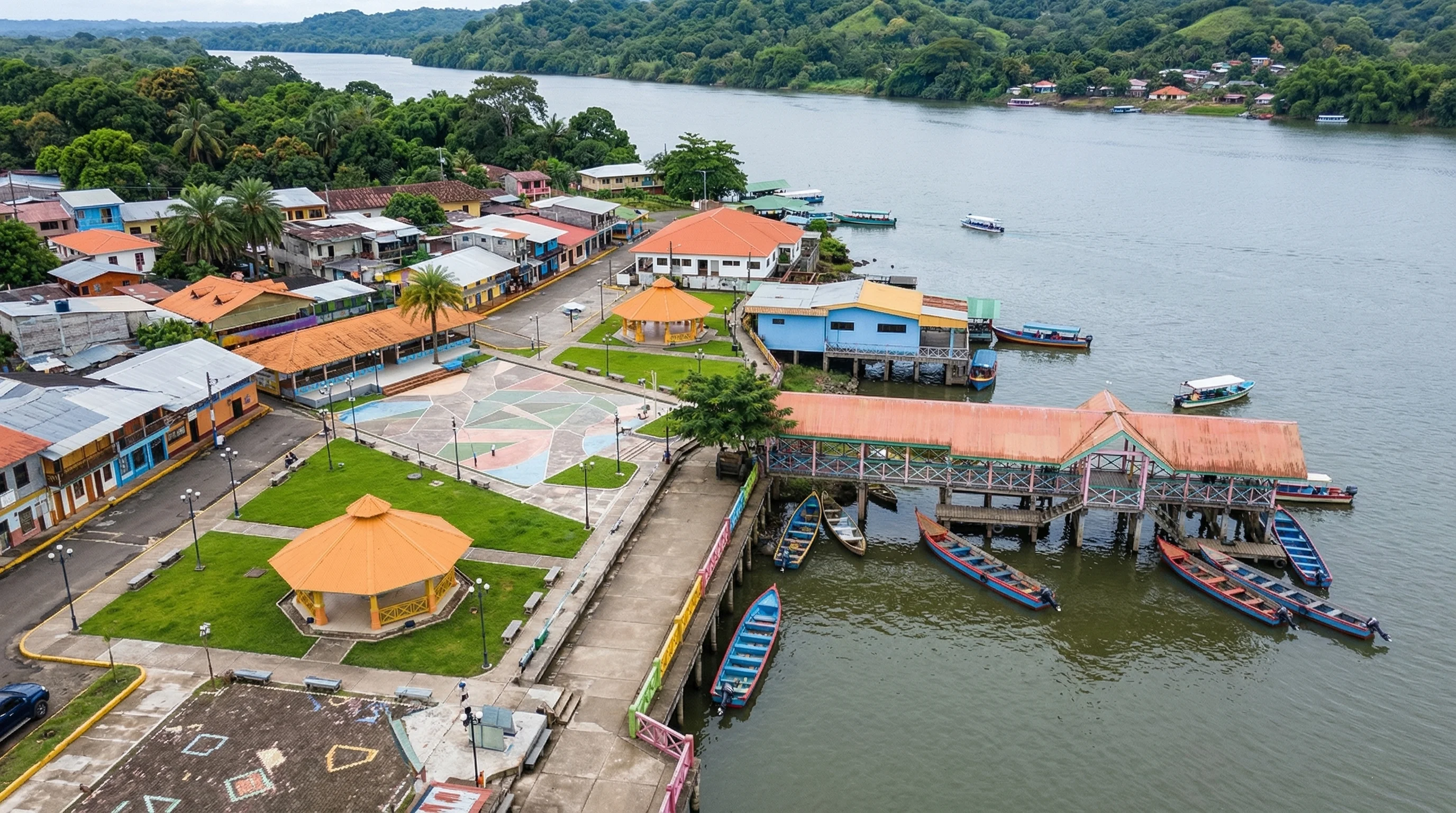
San Carlos, located in the Río San Juan department of southeastern Nicaragua, sits near the border with Costa Rica along the San Juan River. This strategic position makes it an important logistics node for freight entering southern Nicaragua and connecting to Central American markets. The region serves as a gateway for goods moving between Nicaragua's Pacific corridor and the Caribbean lowlands, supporting cross-border trade with neighboring Costa Rica.
The main economic sectors in the San Carlos region include agriculture (particularly cattle ranching, rice, beans, and tropical fruits), forestry, fishing, and an emerging ecotourism industry. The area's agricultural output generates significant freight demand for both outbound shipments of produce and inbound deliveries of agricultural inputs, equipment, and consumer goods. The proximity to the Costa Rican border also creates opportunities for cross-border commercial activity and regional distribution.
Transportation infrastructure in San Carlos relies primarily on regional road networks connecting to Nicaragua's national highway system. The Pan-American Highway provides the main arterial route for freight movement, while secondary roads connect San Carlos to other departments and to the border crossing points with Costa Rica. The San Juan River also offers potential for inland waterway transport. Control Terrestre leverages this infrastructure to deliver full truckload shipments to San Carlos, ensuring reliable freight solutions for companies operating in this important southern Nicaraguan region.










