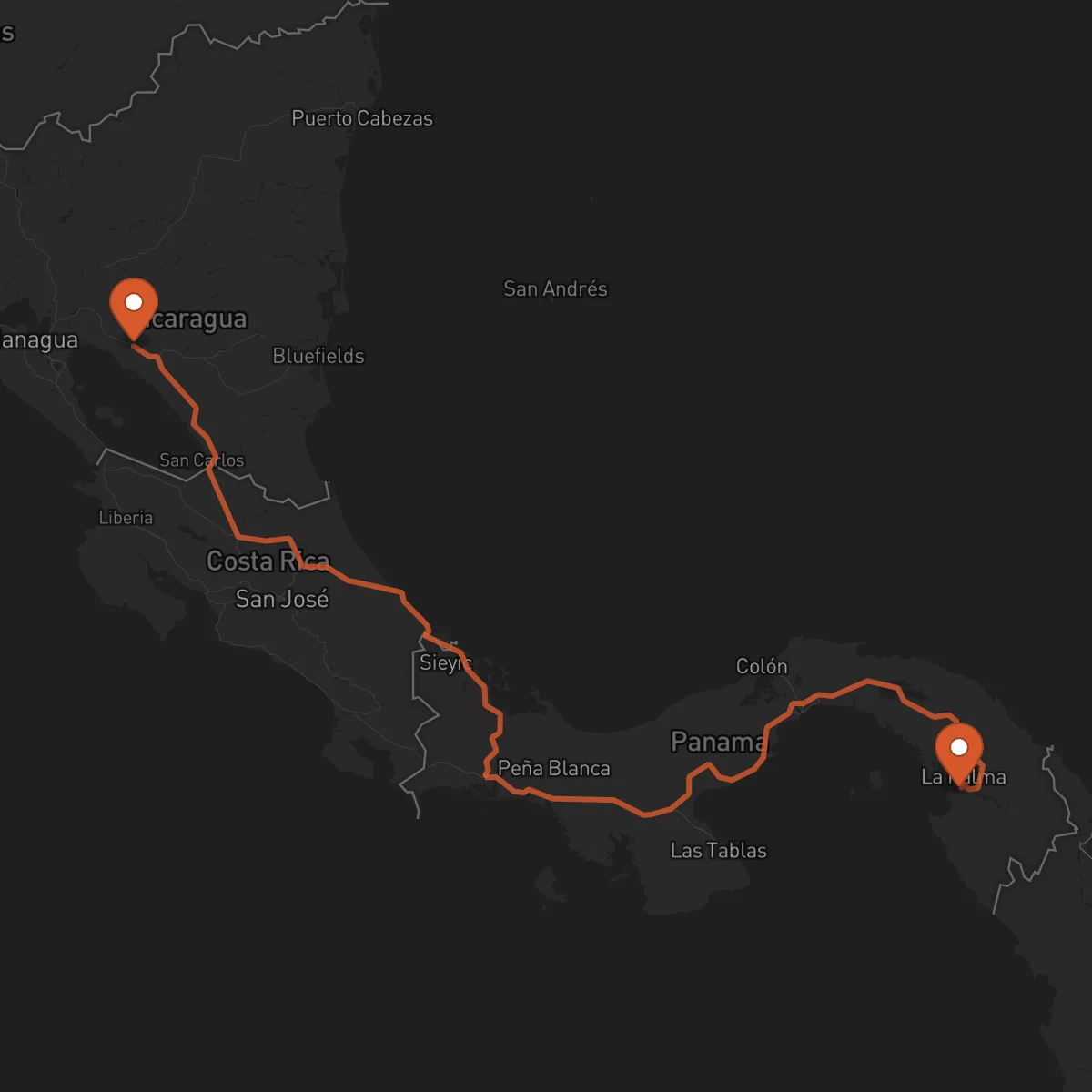
La Palma to Juigalpa
Juigalpa → La PalmaFTL freight transportation service between La Palma and Juigalpa. Reliable logistics solutions for your business.
Route Description
Everything you need to know about the corridor La Palma - Juigalpa
The logistics corridor connecting La Palma, Darién, Panamá, to Juigalpa, Chontales, Nicaragua, represents a vital cross-border artery for Central American commerce. Spanning approximately 894 km, this route is strategically important for linking the Pacific maritime access of Panama with the agricultural and industrial hubs of inland Nicaragua, facilitating the movement of goods between Central American markets. The economic context is driven by agriculture, manufacturing, and resource distribution, with key industries including agribusiness, light manufacturing, and raw material transport relying on this connection.
Transportation infrastructure along this corridor primarily utilizes the Pan-American Highway system, requiring careful navigation through varied terrain and border regions. Relevant border crossings demand specific customs considerations, particularly when moving between Panama and Nicaragua, where compliance with regional regulations is essential. Control Terrestre leverages its network of certified providers, who hold credentials such as C-TPAT and Clean Transportation, to ensure seamless operations. We manage the complexities of cross-border freight, utilizing equipment like Dry Vans and Refrigerated units to handle specialized cargo efficiently and securely.
Control Terrestre facilitates operations on this corridor through our exclusive Full Truckload (FTL) services, dedicated to optimizing the flow of goods without the constraints of consolidated freight. Our focus on specialized cargo, including hazardous materials and oversized shipments, ensures that diverse client needs are met with professionalism. By coordinating with trusted partners holding FAST and Responsible Care certifications, we provide a reliable and green transportation solution tailored to the demands of this strategic route.
Services for this Route
Available services for the corridor La Palma - Juigalpa
 Origin
La Palma serves as a strategic logistics node in the Darién region of Panama, offering critical access to Pacific shipping lanes and regional trade routes. Its location supports key economic sectors such as agriculture, forestry, and port-related logistics, making it an essential starting point for freight moving into Central America. The town’s infrastructure includes vital transportation links that connect to the broader Pan-American Highway network, enabling the efficient dispatch of goods.
Available transportation infrastructure in La Palma focuses on robust road networks that integrate with national and international corridors. Control Terrestre utilizes this infrastructure to coordinate FTL movements, leveraging our network of certified providers. Our focus is on managing the export of goods from this region, ensuring that cargo is prepared to handle the specific requirements of cross-border transit, including specialized equipment for diverse cargo needs.
 Destination
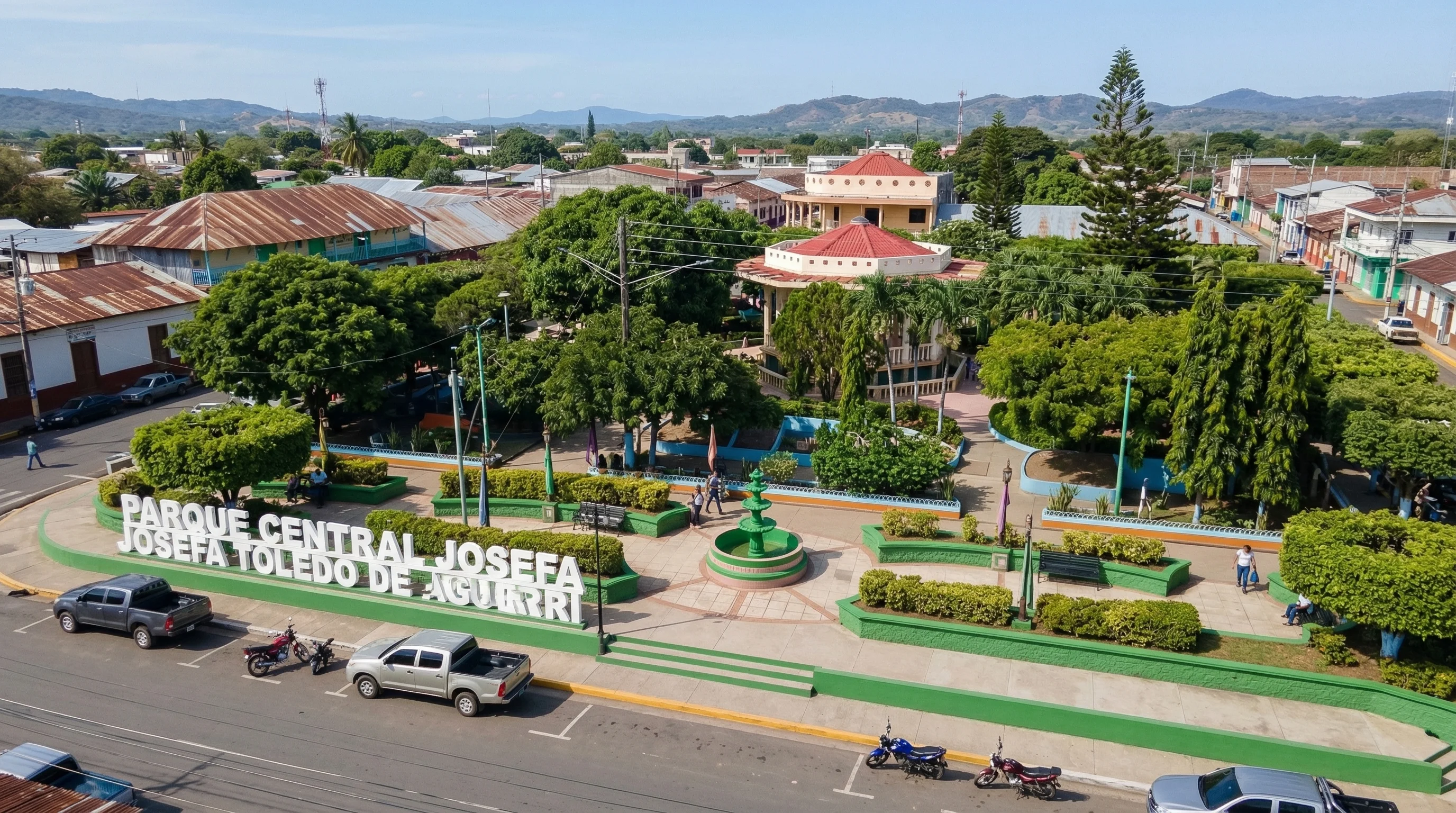
Juigalpa, located in the Chontales region of Nicaragua, is a strategic logistics destination for the interior agricultural and manufacturing sectors of the country. As a key distribution point, it supports industries focused on agribusiness and resource processing, with infrastructure designed to facilitate the inflow and outflow of goods to regional markets. Its central location within Nicaragua makes it a natural hub for domestic distribution following cross-border entry.
The transportation infrastructure in Juigalpa is centered on road networks that connect to national highways, allowing for the efficient continuation of freight movement. Control Terrestre coordinates dedicated and FTL services into this region, ensuring that cargo can be received and redirected effectively. We manage the complexities of final-mile delivery in this destination, utilizing our fleet’s specialized capabilities, including tanker and refrigerated units, to meet the specific demands of the industries served.










