
La Palma to Charlotte
Charlotte → La PalmaFTL freight transportation service between La Palma and Charlotte. Reliable logistics solutions for your business.
Route Description
Everything you need to know about the corridor La Palma - Charlotte
The logistics corridor connecting La Palma, Darién, Panamá to Charlotte, North Carolina represents a vital trade link between Central America and the southeastern United States. This 3008 km cross-border route facilitates the movement of goods through a combination of maritime and overland transportation, serving as a crucial artery for international commerce. The corridor leverages Panama's strategic position as a global logistics hub, with the Panama Canal providing access to major shipping routes, while Charlotte's location in the Piedmont region offers excellent connectivity to the broader US market.
The economic significance of this corridor extends across multiple industries. From La Palma, key exports include fresh seafood, tropical fruits, and agricultural products that thrive in Panama's diverse ecosystems. As cargo moves northward, it passes through industrial centers in Panama and Costa Rica before entering the United States through major ports of entry. Charlotte's robust economy, anchored by financial services, advanced manufacturing, and distribution centers, creates substantial demand for imports while also serving as a distribution point for goods throughout the southeastern states.
Transportation infrastructure along this corridor combines Panama's modern highway network with established cross-border routes through Central America and Mexico. The journey typically involves initial movement from La Palma to Panama City, followed by overland transport through the CA-1 highway system. Upon reaching the US, cargo utilizes the extensive interstate network, with I-85 providing direct access to Charlotte. Control Terrestre's expertise in cross-border operations ensures seamless coordination across multiple jurisdictions, handling customs documentation, regulatory compliance, and the complex logistics of international freight movement. Our specialized knowledge of this corridor enables us to optimize transit times and provide reliable full truckload (FTL) services that meet the demanding requirements of cross-border trade.
Services for this Route
Available services for the corridor La Palma - Charlotte
 Origin
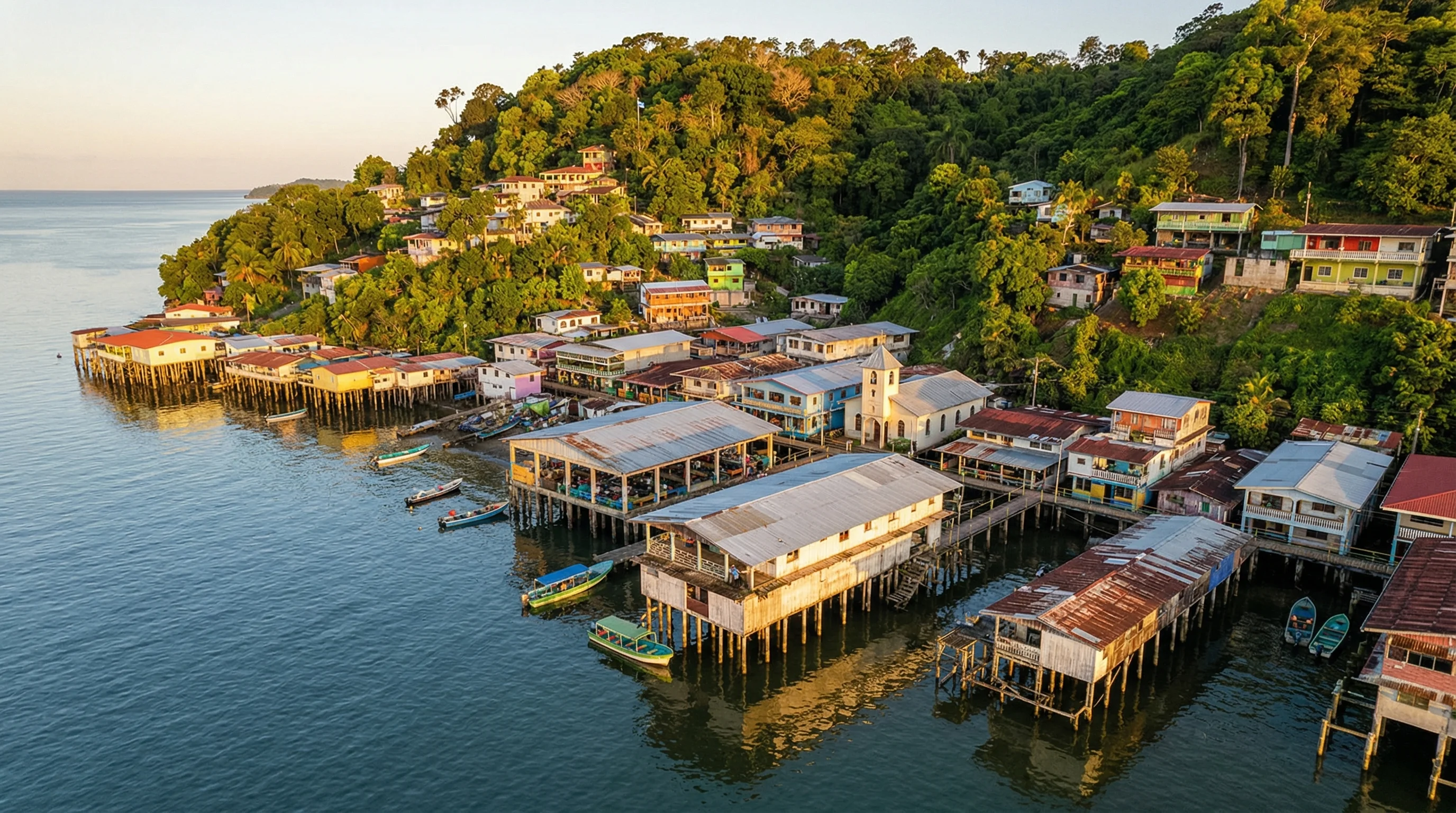
La Palma, located in the Darién Province of Panama, serves as a strategic gateway for maritime logistics in the region. Situated at the mouth of the Tuira River where it meets the Pacific Ocean, this port town provides essential access to Panama's interior regions and neighboring countries. The area's economy traditionally revolves around fishing, agriculture, and forestry, with increasing development in eco-tourism and sustainable resource management. La Palma's port facilities, though modest compared to Panama City's, offer crucial connections for smaller vessels and regional trade, particularly for goods destined for inland communities and cross-border transportation.
The transportation infrastructure in La Palma centers on its river port and limited road connections to other parts of Darién Province. The town serves as a distribution point for agricultural products from the surrounding region, including tropical fruits, timber, and seafood. While the road network is less developed than in other parts of Panama, La Palma's strategic location makes it an important node for companies seeking to access the Darién region's resources or establish supply chains that extend into Panama's more remote areas. The combination of river and limited road transport creates unique logistics challenges that require specialized knowledge of local conditions and regulations.
 Destination
Charlotte
Charlotte, North Carolina stands as a major logistics and distribution hub in the southeastern United States, offering exceptional connectivity and infrastructure for freight transportation. Located in the Piedmont region, Charlotte benefits from its central position within the East Coast's transportation network, with access to multiple interstate highways including I-85, I-77, and I-485. The city's international airport ranks among the busiest in the world for cargo operations, while the nearby Port of Charleston provides additional maritime freight options. This multimodal infrastructure makes Charlotte an ideal destination for cross-border shipments entering the US market.
The economic landscape of Charlotte encompasses diverse industries that drive freight demand. As the second-largest banking center in the United States, the city hosts major financial institutions with extensive supply chain needs. The region's advanced manufacturing sector, including automotive, aerospace, and energy industries, creates substantial demand for both raw materials and finished goods transportation. Charlotte's strategic location also makes it a natural distribution center for companies serving the southeastern states, with many businesses maintaining warehousing and logistics operations in the area to optimize their supply chains and reduce delivery times to major population centers throughout the region.










