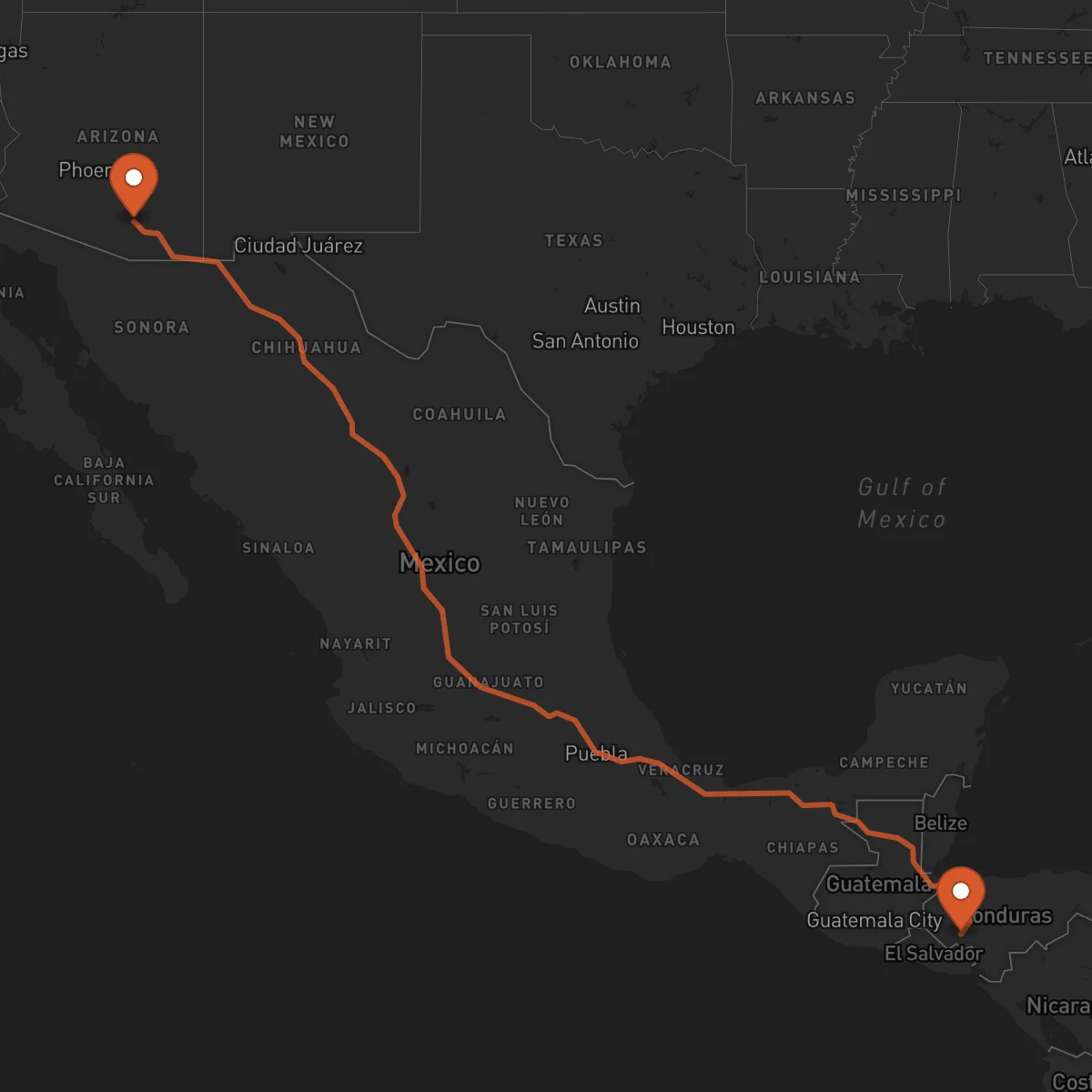
La Esperanza to Tucson
Tucson → La EsperanzaFTL freight transportation service between La Esperanza and Tucson. Reliable logistics solutions for your business.
Route Description
Everything you need to know about the corridor La Esperanza - Tucson
The logistics corridor connecting La Esperanza, Honduras to Tucson, Arizona represents a vital cross-border freight route spanning approximately 3,063 kilometers through Central America and into the southwestern United States. This corridor serves as a crucial link between the industrial and agricultural heartlands of Honduras and the major distribution networks of the American Southwest. The route traverses diverse terrain and crosses multiple international borders, making it a complex but essential pathway for trade between Central America and the United States.
The economic significance of this corridor cannot be overstated. La Esperanza serves as a key commercial center in western Honduras, with strong agricultural exports including coffee, vegetables, and textiles. Tucson, positioned at the crossroads of major interstate highways, functions as a critical logistics hub for Arizona and the broader southwestern region. The corridor facilitates the movement of diverse cargo types, from agricultural products and manufactured goods to industrial equipment and consumer products.
Key transportation infrastructure along this route includes Mexico's Federal Highway 45 and Highway 15, connecting to major U.S. interstates such as I-10, which provides direct access to Tucson. The primary border crossing points include El Amatillo (Honduras-El Salvador) and various crossings in Mexico before reaching the U.S. border at Nogales or other Arizona ports of entry. Control Terrestre's expertise in managing cross-border documentation, customs compliance, and multi-jurisdictional regulations ensures seamless freight movement across this complex international corridor.
Services for this Route
Available services for the corridor La Esperanza - Tucson
 Origin
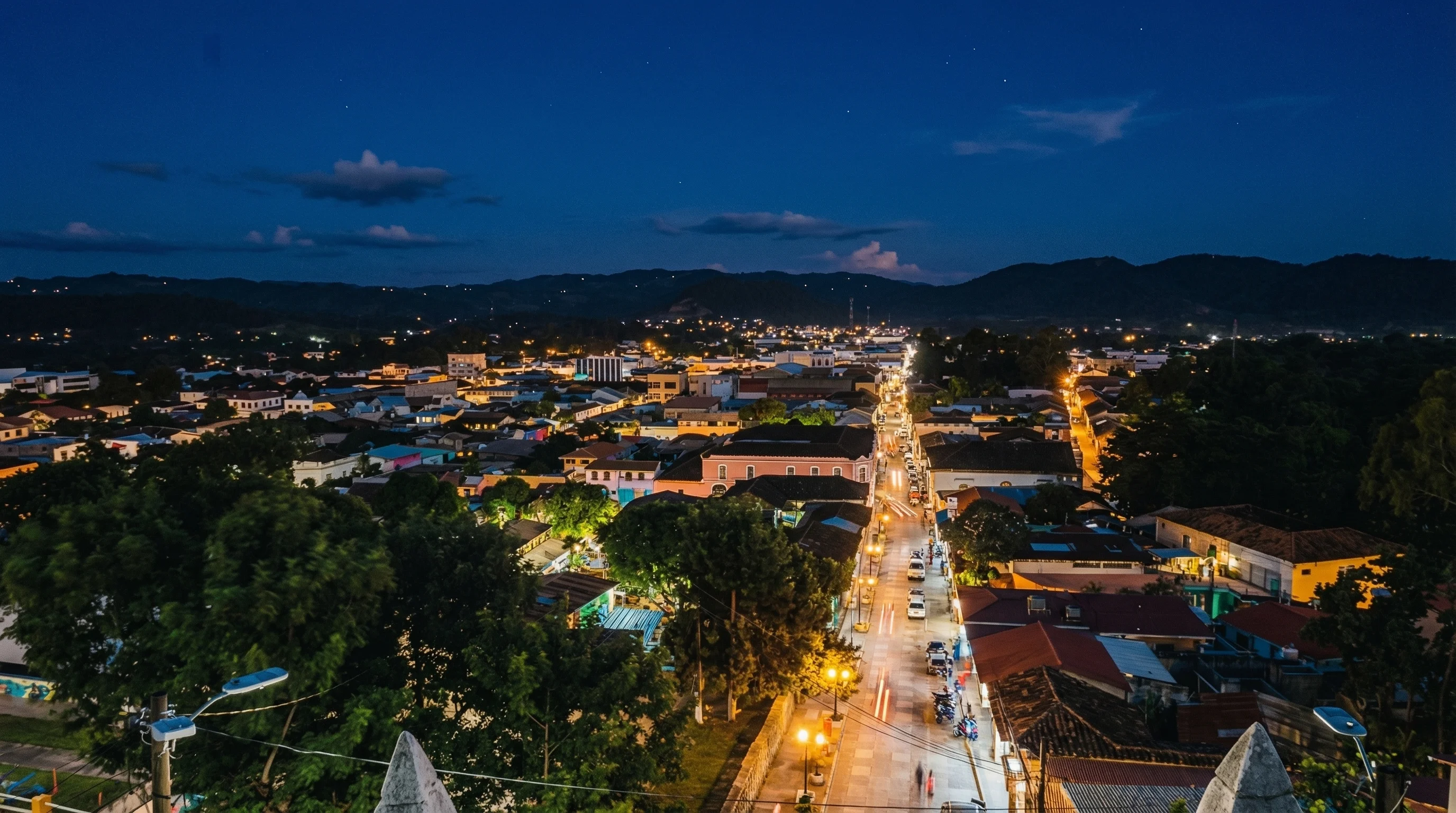
La Esperanza, located in the department of Intibucá, Honduras, serves as a strategic commercial center in western Honduras. Positioned at an elevation of approximately 1,700 meters above sea level, this city benefits from a cool climate that supports diverse agricultural production, particularly coffee cultivation, which represents a significant portion of the region's exports. The city's infrastructure includes access to major highways connecting to the Honduran capital, Tegucigalpa, and onward to El Salvador, providing essential links for international freight movement.
The economic base of La Esperanza encompasses agriculture, textiles, and light manufacturing. The region's coffee industry, along with vegetable and fruit production, generates substantial export volume requiring reliable transportation to U.S. markets. The city's central market and commercial activity create a steady flow of goods needing distribution throughout Central America and beyond. Transportation infrastructure includes paved highways connecting to the CA-1 Pan-American Highway, facilitating access to major ports and border crossings for international shipping.
 Destination
Tucson
Tucson, Arizona, strategically positioned in the Sonoran Desert, serves as a critical logistics hub for the southwestern United States. Located approximately 100 kilometers from the Mexican border, Tucson provides direct access to major transportation corridors including Interstate 10, which connects the city to Los Angeles, Phoenix, and El Paso. The city's infrastructure includes Tucson International Airport, extensive rail connections through Union Pacific and BNSF rail lines, and proximity to major distribution centers that serve Arizona, New Mexico, and beyond.
The economic landscape of Tucson encompasses aerospace and defense, technology, healthcare, and logistics sectors. The city hosts major distribution facilities for national retailers and e-commerce companies, taking advantage of Tucson's strategic location for both domestic distribution and cross-border trade with Mexico. The region's industrial parks and transportation infrastructure support a robust freight ecosystem, with specialized facilities for handling various cargo types. Tucson's position as a border-adjacent city provides unique advantages for companies engaged in U.S.-Mexico trade, offering streamlined customs processes and established cross-border logistics networks.


Ready to ship your cargo?
Get a personalized quote for your freight.
Quote Now La Esperanza - Tucson








