
La Esperanza to Miami
Miami → La EsperanzaFTL freight transportation service between La Esperanza and Miami. Reliable logistics solutions for your business.
Route Description
Everything you need to know about the corridor La Esperanza - Miami
The logistics corridor connecting La Esperanza, Honduras to Miami, Florida represents a vital trade link between Central America and the southeastern United States. This 1,523-kilometer route facilitates the movement of goods through a combination of road and intermodal transportation, connecting the industrial heart of Honduras with one of America's busiest ports and logistics hubs. The corridor serves as a critical artery for businesses looking to establish efficient supply chains between these two important economic regions.
The economic significance of this route cannot be overstated. La Esperanza serves as a commercial center for western Honduras, with industries ranging from agricultural products to manufactured goods. Miami, in turn, functions as a gateway to the U.S. market and a major distribution point for goods destined throughout North America. The corridor supports various industries including textiles, electronics, automotive parts, and perishable goods, with refrigerated transportation being particularly important for maintaining product quality.
Key infrastructure along this route includes major highways such as CA-1 in Honduras, which connects to international ports, and the extensive interstate network in the United States leading to Miami. The journey involves crossing the Honduras-Guatemala border and navigating through Mexico before reaching U.S. entry points. Control Terrestre facilitates seamless operations on this corridor through our network of certified carriers, expertise in cross-border documentation, and specialized equipment for various cargo types, ensuring reliable door-to-door service from origin to destination.
Services for this Route
Available services for the corridor La Esperanza - Miami
 Origin
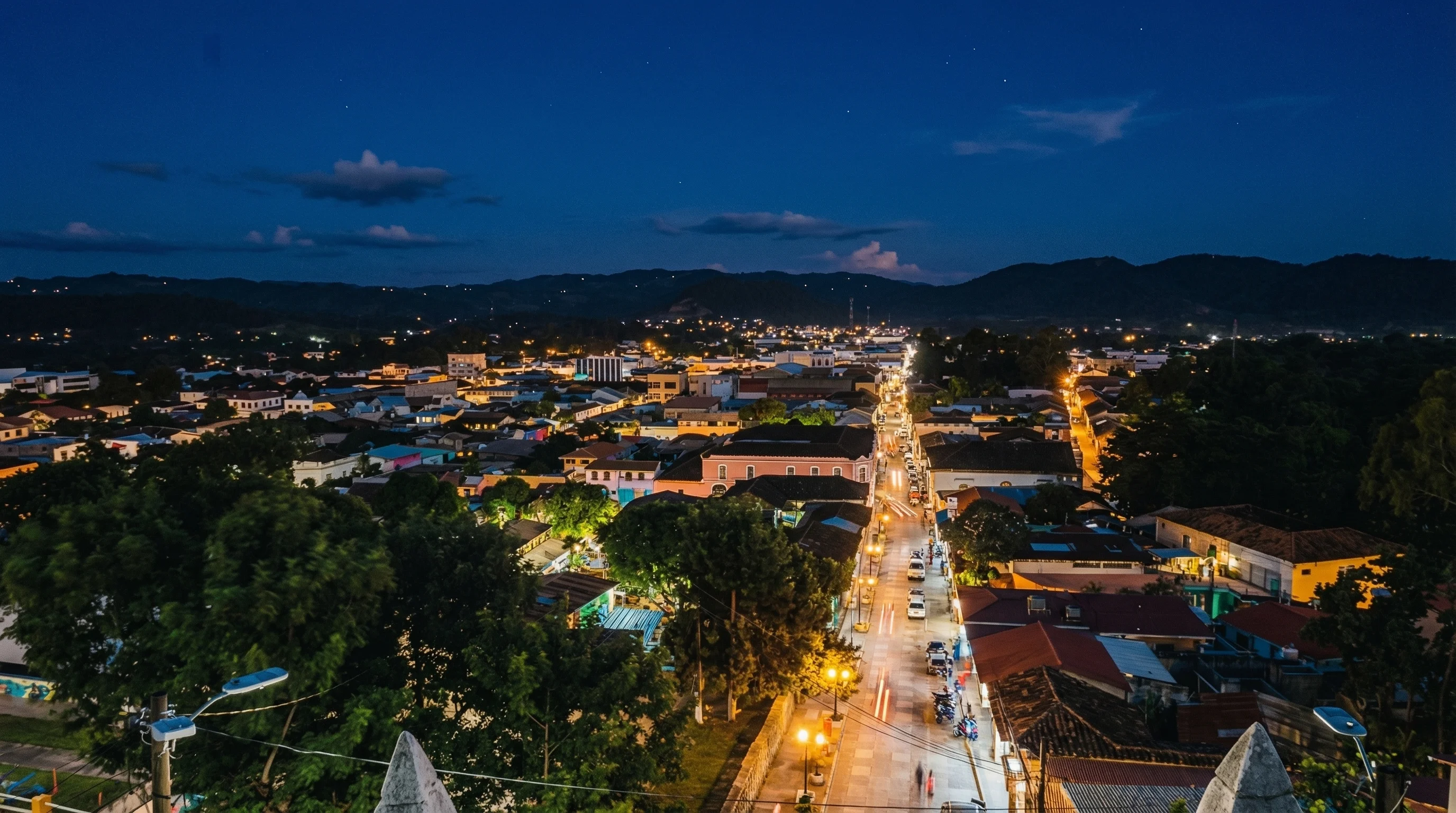
La Esperanza, located in the department of Intibucá, Honduras, serves as a strategic logistics hub for western Honduras. Situated at an elevation of approximately 1,700 meters above sea level, this city benefits from its position as a commercial center connecting rural agricultural regions with national and international markets. The area's economy is characterized by diverse industries including coffee production, textile manufacturing, and agricultural products. La Esperanza's transportation infrastructure includes access to major highways connecting to San Pedro Sula and Tegucigalpa, as well as proximity to regional airports and border crossings. The city's industrial parks and commercial zones provide consolidated shipping points for businesses looking to export goods, making it an ideal origin point for cross-border freight operations.
 Destination
Miami
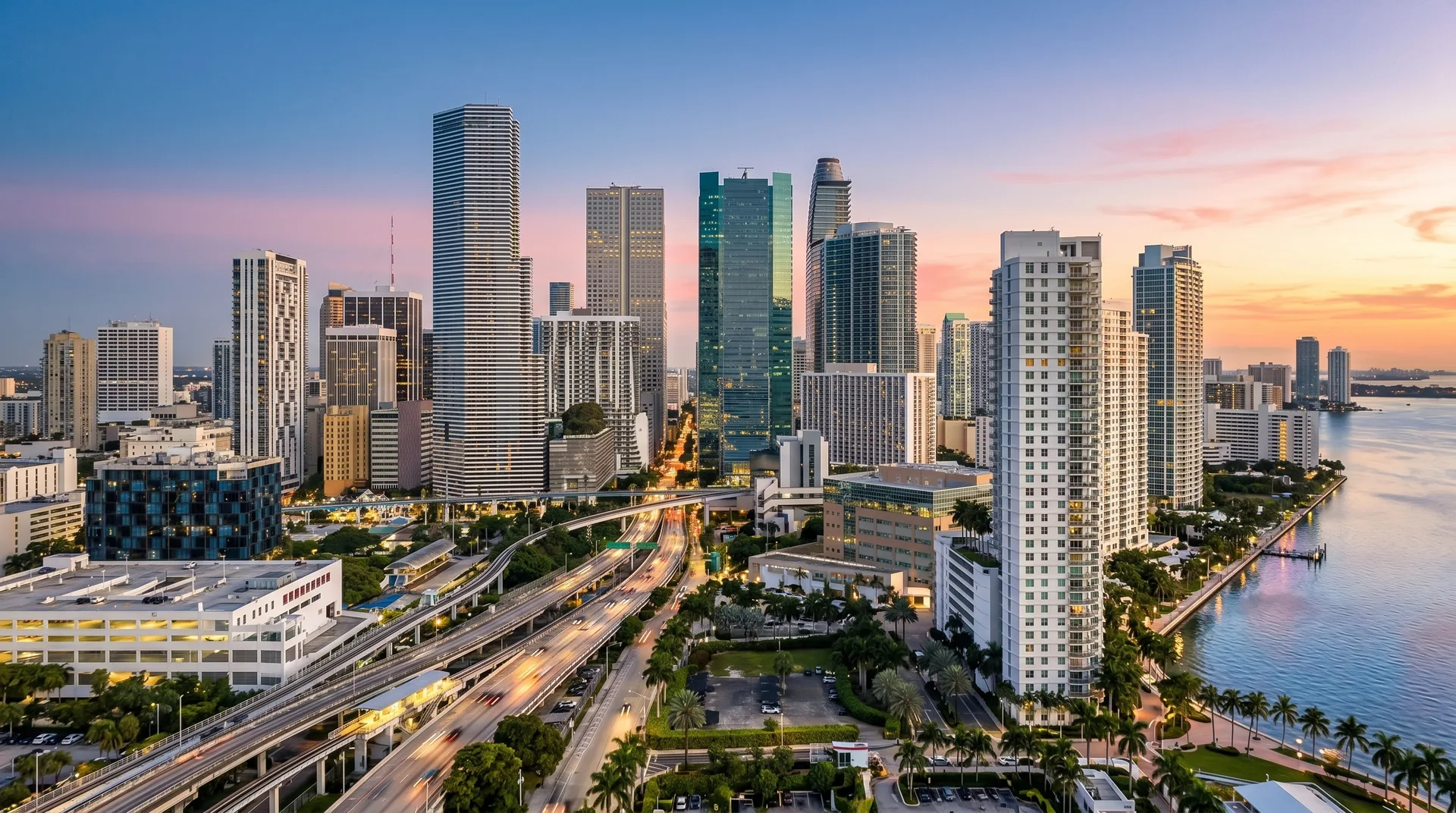
Miami, Florida stands as one of the most strategically important logistics hubs in the United States, serving as the primary gateway between North America and Latin America. The city's location on the southeastern tip of Florida provides unparalleled access to both Atlantic shipping routes and extensive highway networks connecting to the U.S. mainland. Miami's logistics infrastructure is world-class, featuring the Port of Miami (known as the "Cargo Gateway of the Americas"), Miami International Airport (one of the busiest for international freight), and a dense network of warehousing and distribution centers. The region's economy thrives on international trade, with major industries including electronics, pharmaceuticals, textiles, and perishable goods. Miami's Free Trade Zone status and proximity to major consumer markets make it an ideal destination for cross-border freight, offering businesses efficient distribution capabilities throughout the United States.










