
La Ceiba to Topeka
Topeka → La CeibaFTL freight transportation service between La Ceiba and Topeka. Reliable logistics solutions for your business.
Route Description
Everything you need to know about the corridor La Ceiba - Topeka
The logistics corridor connecting La Ceiba, Honduras to Topeka, Kansas represents a vital trade route between Central America and the United States Midwest. This approximately 2,729 km cross-border corridor facilitates the movement of goods through a combination of maritime, road, and rail transportation, linking the Caribbean coast of Honduras with the industrial heartland of Kansas. The route traverses multiple countries and requires seamless coordination across different transportation modes and customs jurisdictions.
The economic significance of this corridor extends beyond simple transportation, serving as a critical link for industries such as automotive manufacturing, agricultural products, electronics, and consumer goods. The route passes through key industrial and commercial zones, connecting major production centers in Honduras with distribution hubs and manufacturing facilities in the American Midwest. This corridor supports the growing trade relationship between Central American countries and the United States, particularly for time-sensitive and high-value cargo.
Transportation infrastructure along this corridor includes major highways such as CA-13 in Honduras, connecting to the Pan-American Highway network, and continues through Mexico via Federal Highways 180 and 190. The route then crosses into the United States through various border points, utilizing Interstate highways to reach Topeka. Control Terrestre's expertise in managing cross-border operations ensures efficient customs clearance and compliance with all regulatory requirements, minimizing delays and optimizing transit times for our clients' cargo.
Services for this Route
Available services for the corridor La Ceiba - Topeka
 Origin
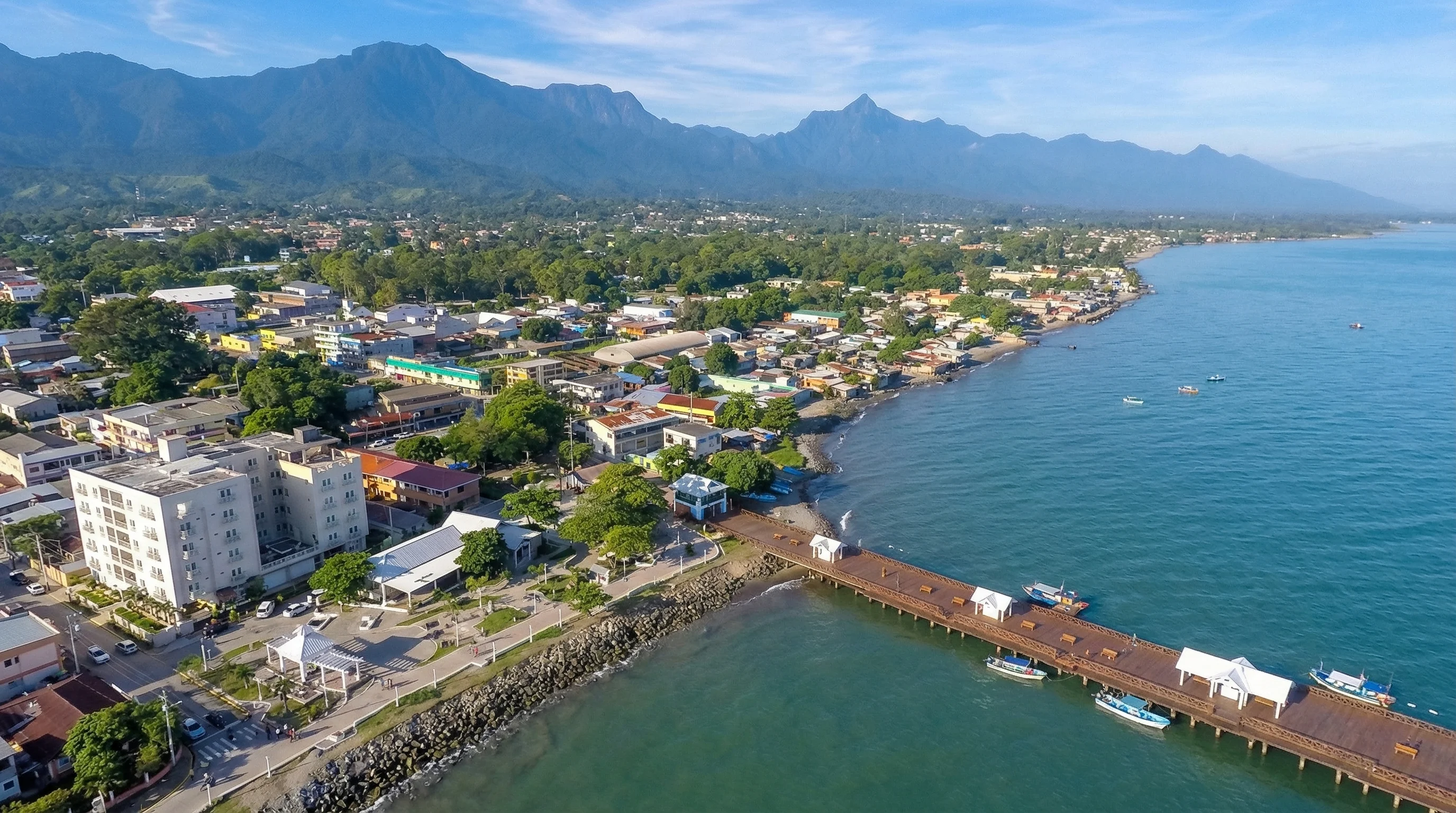
La Ceiba, located on the northern Caribbean coast of Honduras, serves as a strategic gateway for international trade in Central America. The city's position provides direct access to maritime shipping routes, with the Puerto Cortés port complex being one of the most important in the region. This coastal location enables efficient consolidation of goods from across Honduras and neighboring countries before export to North American markets. La Ceiba's infrastructure includes modern port facilities capable of handling various cargo types, from containerized freight to bulk shipments.
The region's economy is diverse, with strong agricultural sectors including tropical fruits, coffee, and seafood products, alongside growing manufacturing and assembly operations. The presence of free trade zones and industrial parks in the area has attracted foreign investment, particularly in electronics and textile manufacturing. La Ceiba's transportation network includes well-maintained highways connecting to the interior of Honduras and the broader Central American road system, facilitating efficient ground transportation to and from the port facilities.
 Destination
Topeka
Topeka, the capital city of Kansas, occupies a strategic position in the American Midwest, serving as a crucial distribution and logistics hub. The city's location provides excellent connectivity to major metropolitan areas across the central United States, including Kansas City, Wichita, and Omaha. Topeka benefits from its proximity to major interstate highways, including I-70 and I-335, which facilitate efficient ground transportation to and from the region. The city also has access to rail networks operated by major carriers, enhancing its multimodal transportation capabilities.
The Topeka metropolitan area hosts a diverse industrial base, with significant presence in the food processing, manufacturing, and technology sectors. The region is home to several large distribution centers and warehouses that serve as key nodes in the supply chain for companies operating throughout the Midwest. Topeka's economic development initiatives have attracted investments in advanced manufacturing and logistics operations, making it an important destination for international freight. The city's infrastructure supports the efficient handling of cross-border shipments, with established customs brokerage services and warehousing facilities designed to accommodate the needs of international trade.










