La Ceiba to Toluca
Toluca → La CeibaFTL freight transportation service between La Ceiba and Toluca. Reliable logistics solutions for your business.
Route Description
Everything you need to know about the corridor La Ceiba - Toluca
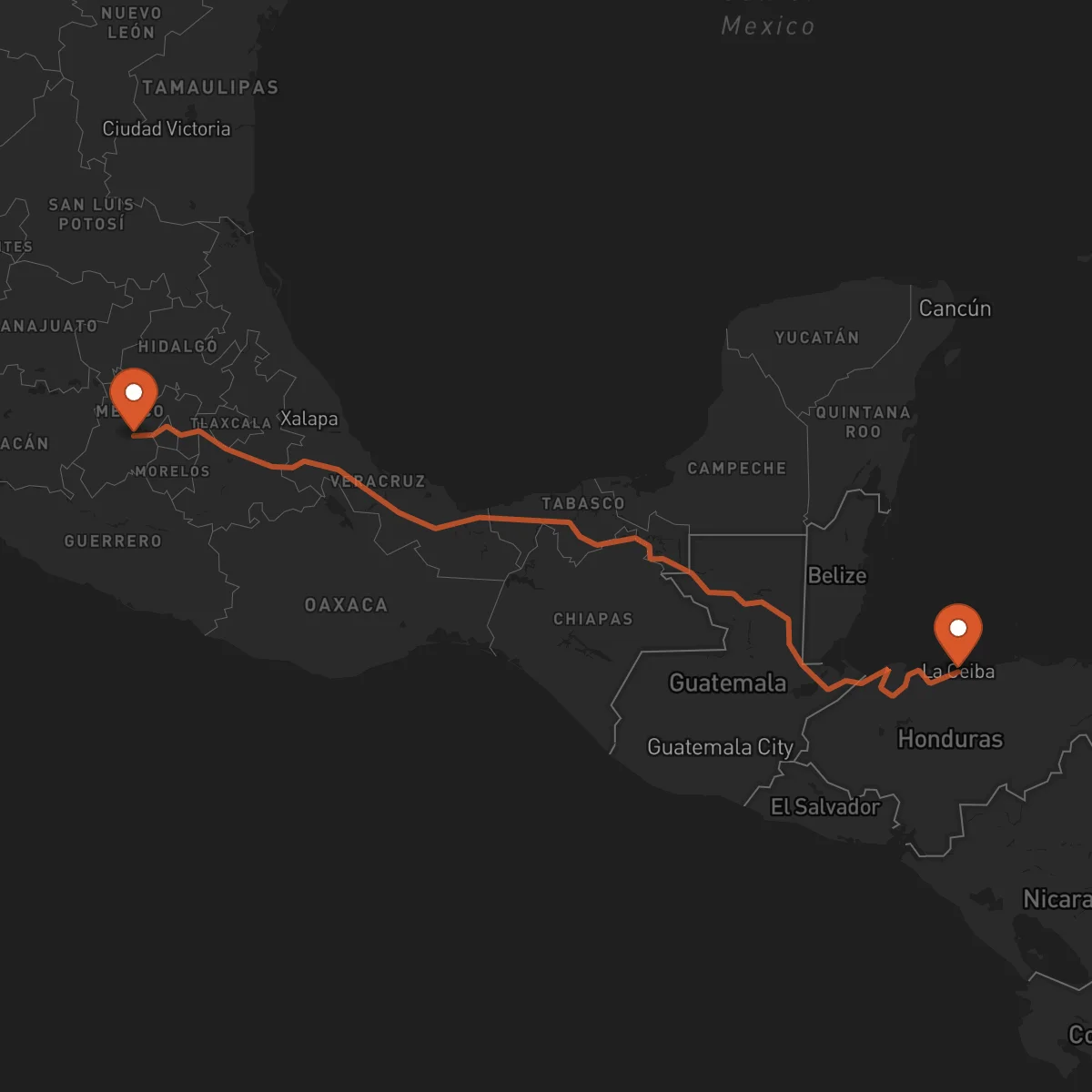
The La Ceiba to Toluca corridor represents a vital north-south logistics artery connecting Honduras' Caribbean coast with Mexico's industrial heartland. Spanning approximately 1,418 kilometers, this cross-border route is strategically essential for moving full truckload (FTL) cargo between Central America and the densely manufactured region surrounding Mexico City. Its importance is underscored by the flow of raw materials inbound to Mexico and finished goods and agricultural products southbound, supporting integrated supply chains across the region.
Economically, the corridor links the productive zones of Honduras's Atlántida department, with its strong agricultural and light manufacturing base, to the Estado de México, one of Mexico's most significant industrial hubs. Toluca and its metropolitan area are a powerhouse for automotive assembly, food and beverage processing, pharmaceuticals, and diverse manufacturing sectors. This creates consistent, high-volume demand for dedicated and specialized freight services, including refrigerated transport for perishables and flatbed/curtain-side units for industrial components.
The primary transportation infrastructure relies on a network of major highways. The route typically traverses Honduras's CA-13 and CA-5, crosses into Mexico via the border checkpoint at Ciudad Hidalgo/Teo Cuitláhuac (part of the Guatemala-Mexico border), and continues north on Mexican Federal Highway 190 and 15D towards the Toluca valley. Key border considerations involve rigorous customs procedures; our alliance's providers hold critical certifications like C-TPAT, FAST, and BASC, which streamline clearance processes and enhance security for compliant shipments.
Control Terrestre facilitates seamless operations on this corridor through our robust alliance of experienced carriers. We exclusively provide FTL solutions—dedicated, expedited, and specialized—matching your cargo's specific needs with the right equipment, from 53' dry vans and reefers to tankers and flatbeds. Our team manages the complex cross-border coordination, leveraging our partners' certified status to navigate customs efficiently, ensuring your full truckload moves reliably from the port of La Ceiba to the factory gates of Toluca without consolidation delays.
Services for this Route
Available services for the corridor La Ceiba - Toluca
 Origin
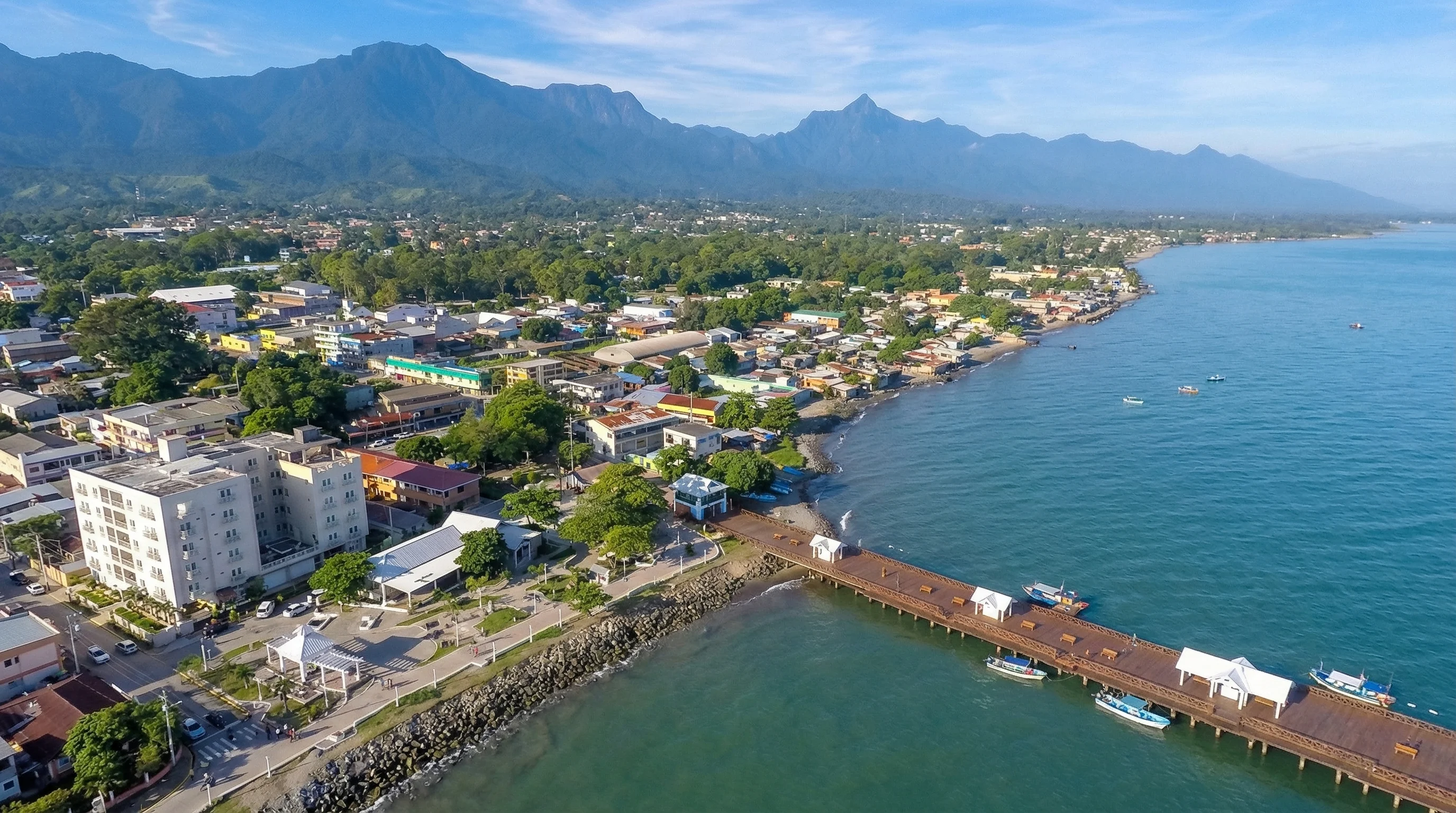
La Ceiba, the capital of Honduras's Atlántida department, is a pivotal Caribbean port city and a strategic logistics gateway for Central America. Its location on the coast provides direct maritime access, making it a primary exit point for exports and entry for imports destined for the region. The local economy is anchored by banana and pineapple plantations, coffee production, and a growing manufacturing sector focused on textiles and assembly operations. This creates steady demand for outbound FTL freight of agricultural commodities and inbound raw materials.
Transportation infrastructure is centered on the Port of La Ceiba, which handles significant container and bulk cargo volumes. Overland connections are facilitated by major highways like the CA-13, running along the coast, and the CA-5, which is the crucial north-south artery connecting the capital, Tegucigalpa, and eventually to the Guatemalan border. These roadways are essential for gathering cargo from the agricultural interior and funneling it toward the Mexico corridor. The city's airport also supports time-sensitive, higher-value goods, though our FTL focus remains on the robust road network.
 Destination
Toluca
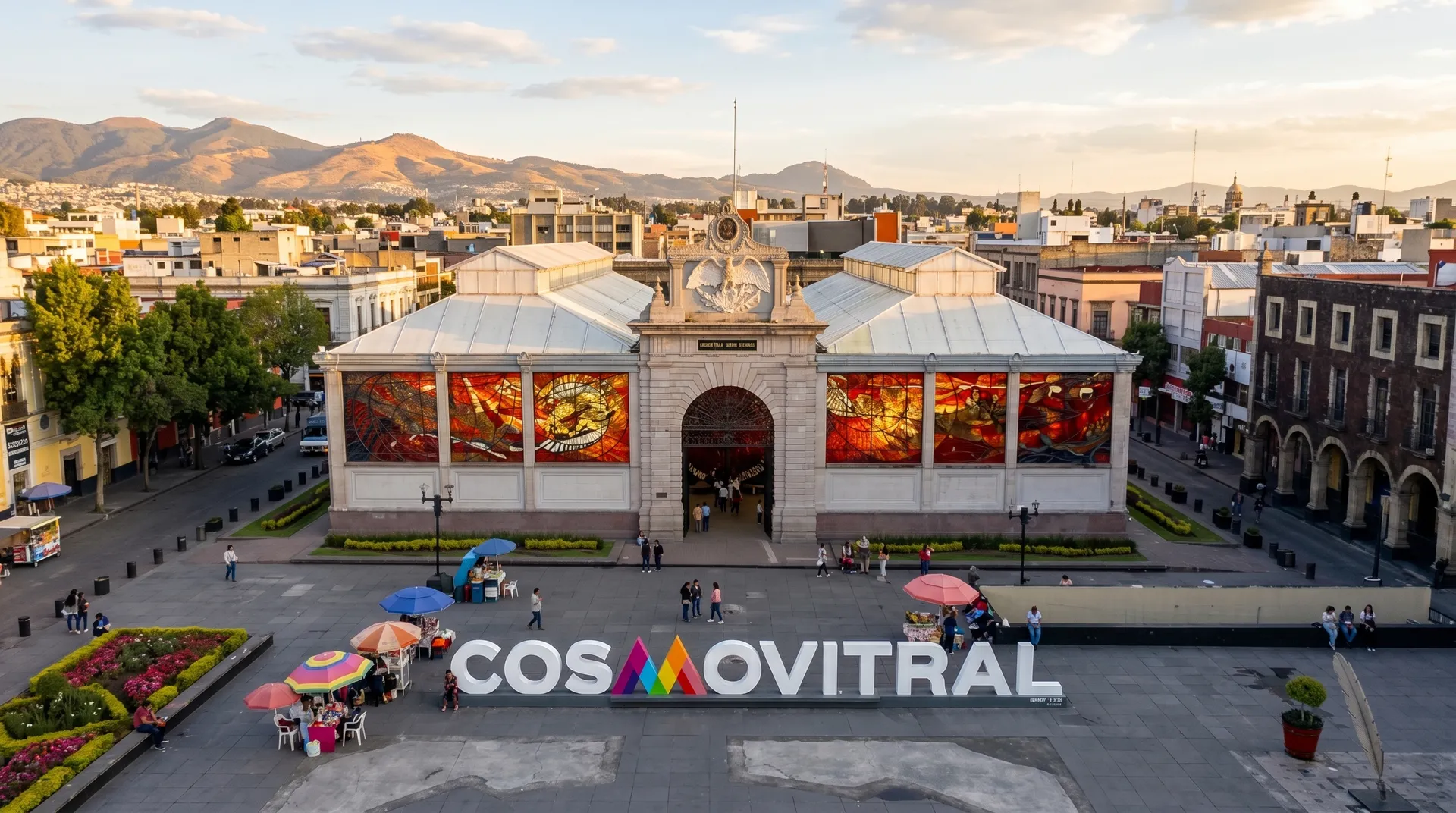
Toluca, the capital of the Estado de México, is a major industrial and logistics hub strategically located just west of Mexico City. Its significance stems from its integration into one of North America's largest consumer and manufacturing markets. The region is dominated by a vast automotive cluster, with plants for major brands and a dense network of suppliers. Additionally, it hosts significant food and beverage processing, pharmaceutical manufacturing, and general industry, generating immense demand for inbound component freight and outbound finished goods distribution.
The area's infrastructure is highly developed. It is intersected by critical federal highways, including the 15D and 57D, which connect directly to Mexico City and northern border crossings. Toluca also has an international airport (Aeropuerto Internacional de Toluca) that complements cargo movements, and rail lines serve specific industrial parks. For FTL freight, the highway network provides efficient last-mile connectivity to thousands of manufacturing facilities and distribution centers throughout the metropolitan zone, making it a indispensable endpoint for cross-border supply chains.










