
La Ceiba to Raleigh
Raleigh → La CeibaFTL freight transportation service between La Ceiba and Raleigh. Reliable logistics solutions for your business.
Route Description
Everything you need to know about the corridor La Ceiba - Raleigh
The logistics corridor connecting La Ceiba, Honduras to Raleigh, North Carolina represents a vital trade link between Central America and the southeastern United States. This cross-border route spans approximately 2,368 kilometers, facilitating the movement of diverse cargo types between the Caribbean coast of Honduras and one of North Carolina's major economic hubs. The corridor serves as a critical artery for international trade, connecting manufacturing centers in Central America with distribution networks in the U.S. Southeast.
The economic significance of this corridor extends across multiple industries. La Ceiba serves as a key port city with strong ties to agricultural exports, including tropical fruits, coffee, and seafood products. Meanwhile, Raleigh's robust economy encompasses technology, pharmaceuticals, research institutions, and advanced manufacturing sectors. This complementary economic relationship drives consistent freight volumes between these regions, with companies requiring reliable transportation solutions for time-sensitive and specialized cargo.
Transportation along this corridor relies on major highway networks, including Mexican Federal Highways and U.S. Interstate systems. Key border crossings at Laredo and other points facilitate the movement of goods between Mexico and the United States. Control Terrestre's expertise in cross-border operations ensures seamless transit through customs procedures, regulatory compliance, and coordination with certified transportation providers who maintain C-TPAT and FAST certifications. Our comprehensive service approach addresses the complexities of international freight movement, providing customers with end-to-end visibility and dedicated support throughout the journey.
Services for this Route
Available services for the corridor La Ceiba - Raleigh
 Origin
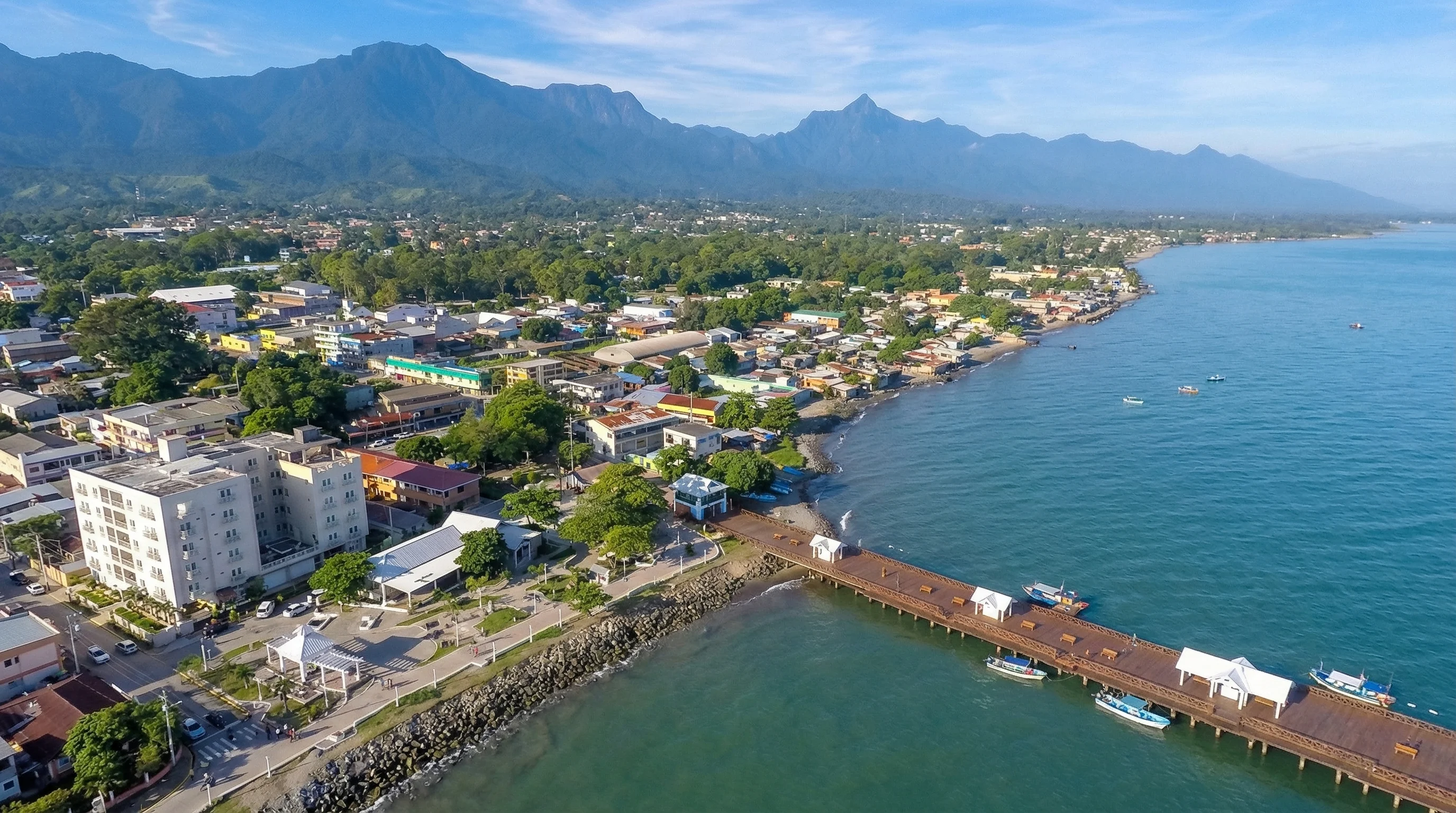
La Ceiba, located on Honduras' Caribbean coast in the department of Atlántida, serves as a strategic gateway for Central American trade. As Honduras' third-largest city, La Ceiba benefits from its proximity to Puerto Cortés, the country's main maritime port, and its well-developed transportation infrastructure. The city's location provides efficient access to both domestic markets and international shipping routes, making it an ideal origin point for freight destined for North American markets.
The region's economy centers around agricultural production, including tropical fruits, coffee, and seafood processing. La Ceiba also hosts manufacturing facilities producing textiles, apparel, and light industrial goods. The city's transportation infrastructure includes major highways connecting to San Pedro Sula and the Guatemalan border, along with rail connections to Puerto Cortés. These multimodal capabilities enable efficient cargo consolidation and distribution for companies seeking to optimize their supply chain operations.
 Destination
Raleigh
Raleigh, North Carolina stands as a major logistics hub in the southeastern United States, offering exceptional connectivity and infrastructure for freight operations. Located in the Research Triangle region, Raleigh benefits from its proximity to major highways including I-40, I-85, and I-95, providing direct access to regional and national markets. The city's strategic location positions it within a day's drive of major metropolitan areas along the East Coast.
The Raleigh metropolitan area hosts a diverse industrial base, including technology companies, pharmaceutical research facilities, advanced manufacturing plants, and distribution centers for major retailers. The region's strong educational institutions and research facilities drive demand for specialized freight services, particularly for time-sensitive and high-value cargo. Raleigh's infrastructure includes multiple warehousing facilities, intermodal yards, and proximity to major airports and ports, creating a comprehensive logistics ecosystem that supports efficient freight movement and distribution throughout the southeastern United States.










