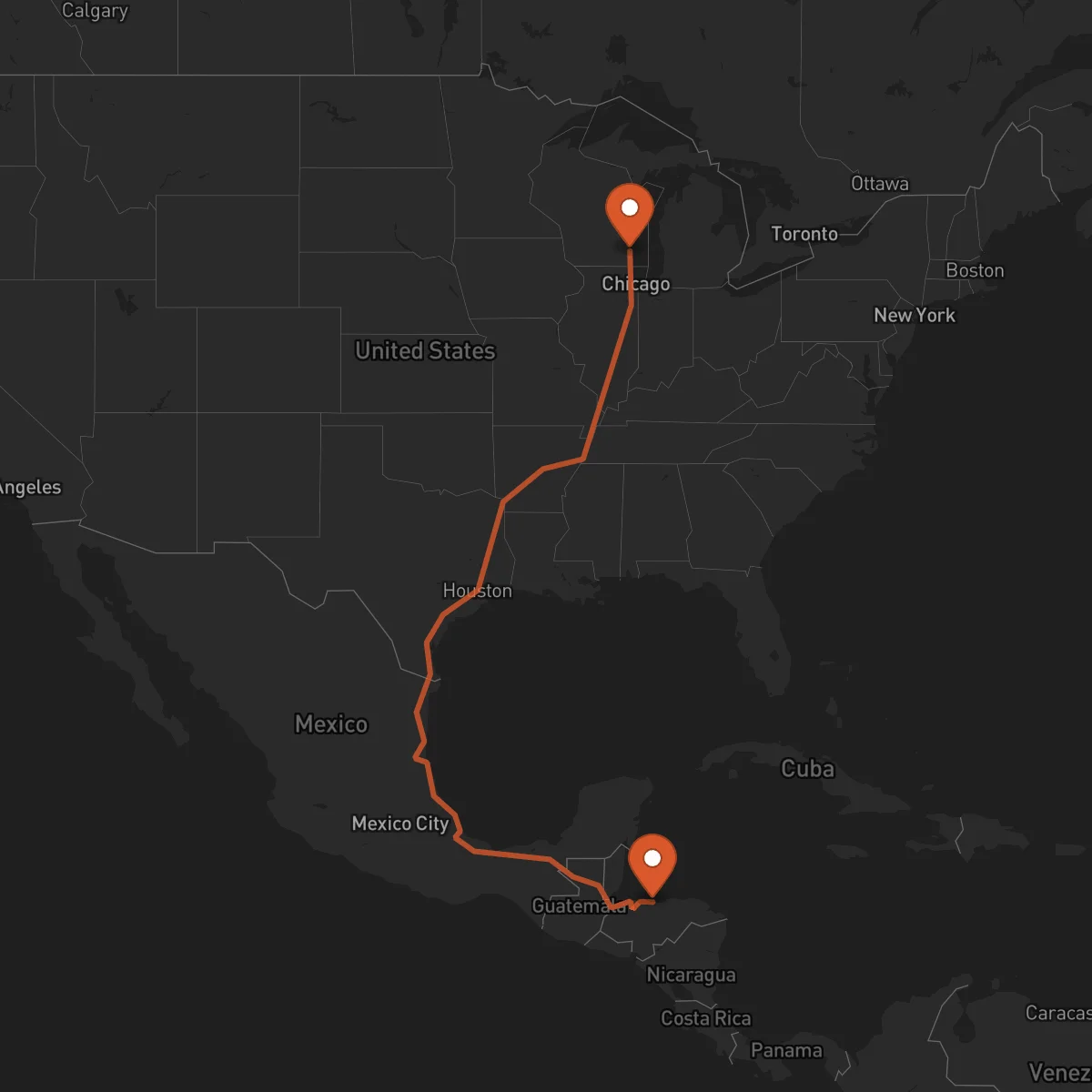
La Ceiba to Milwaukee
Milwaukee → La CeibaFTL freight transportation service between La Ceiba and Milwaukee. Reliable logistics solutions for your business.
Route Description
Everything you need to know about the corridor La Ceiba - Milwaukee
The La Ceiba to Milwaukee corridor represents a vital North American trade link, connecting the economic heartland of Central America with the industrial Midwest of the United States. This strategic cross-border route facilitates the movement of goods across approximately 3,034 kilometers, bridging production centers in Honduras with major consumption and manufacturing markets in Wisconsin and beyond. The corridor's importance is underscored by its role in supporting regional supply chains, enabling efficient access for Central American exports to U.S. distribution hubs and providing a gateway for U.S. manufactured goods southward. Key industries leveraging this route include agriculture (particularly banana and pineapple exports from Honduras), apparel and textile manufacturing, automotive parts, and industrial machinery. The primary transportation infrastructure relies on the CA-5 highway in Honduras, which connects La Ceiba to the Guatemalan border. From there, the route traverses Mexico via a network of federal highways before crossing into the United States, typically through a major Texas border crossing, and continuing north on the U.S. Interstate system, predominantly I-35 and I-94, to reach Milwaukee. Navigating the complex customs and regulatory environment is a critical consideration, requiring expertise in documentation, compliance, and security programs. Control Terrestre facilitates seamless operations on this corridor through our robust alliance of certified providers. Our partners hold essential credentials including C-TPAT, FAST, and BASC, which streamline border processes and enhance security. We exclusively manage full truckload (FTL) shipments, offering dedicated, expedited, and specialized options for cargo like refrigerated goods or oversized equipment, ensuring a direct, efficient, and secure transit from door to door without consolidation delays.
Services for this Route
Available services for the corridor La Ceiba - Milwaukee
 Origin
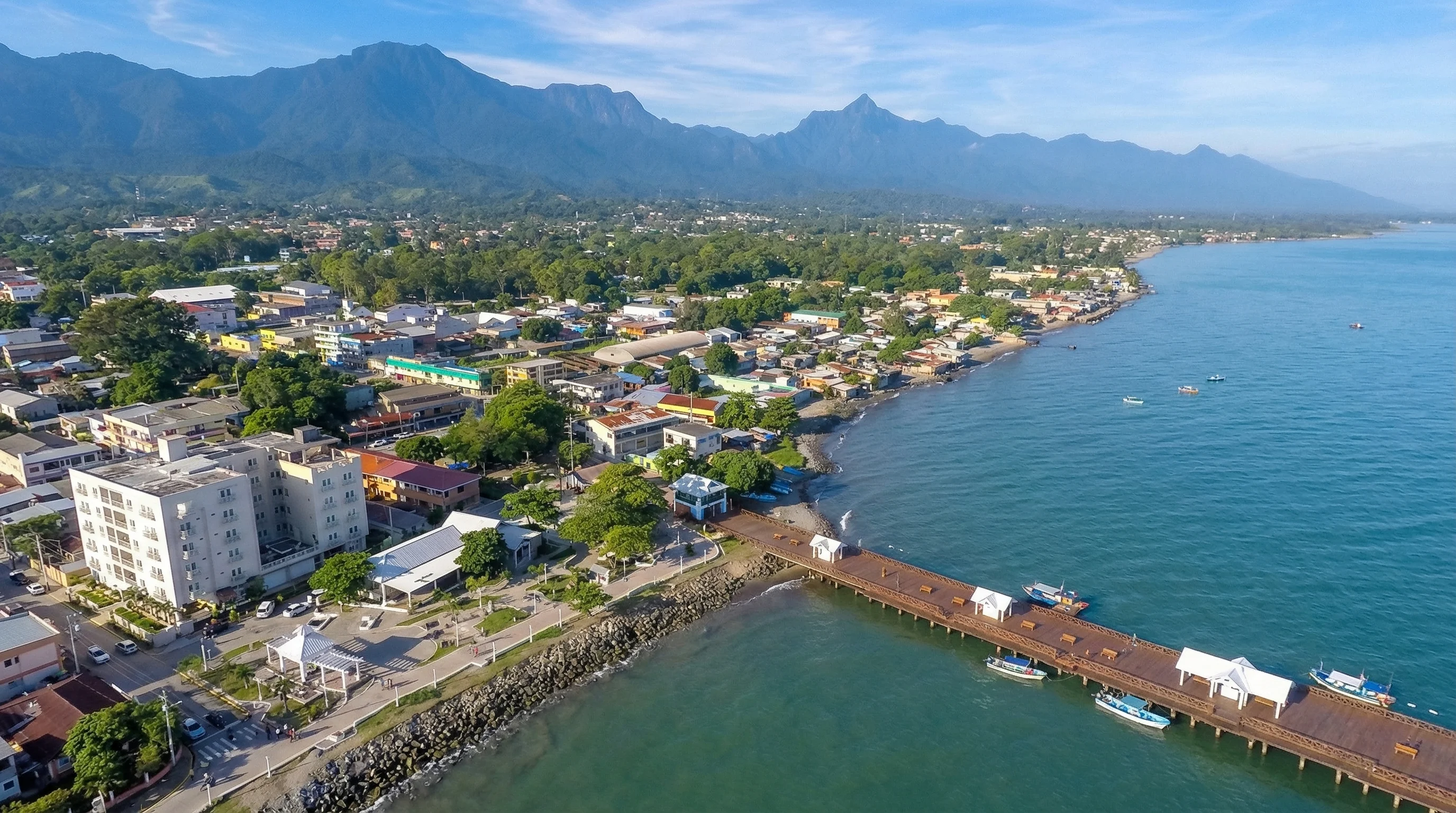
La Ceiba, located in the Atlántida department of Honduras, is a pivotal logistics hub on the Caribbean coast. Its strategic value is anchored by the nearby port of Puerto Cortés, one of the busiest in Central America, which serves as a primary gateway for maritime cargo. The city itself is a major economic center for northern Honduras, with key industries centered on agriculture—most notably banana and pineapple plantations—alongside tourism, light manufacturing, and commerce. The availability of robust transportation infrastructure is crucial; La Ceiba is the northern terminus of the CA-5 highway, the main arterial road that runs south through the country to the Salvadoran border, providing essential overland connectivity. This highway link, combined with the port facilities, positions La Ceiba as a critical consolidation point for exports destined for North America, making it an optimal origin for full truckload freight moving north.
 Destination
Milwaukee
Milwaukee, Wisconsin, is a major industrial and distribution center in the U.S. Midwest, offering a strategic destination with deep logistics roots. Its economy is historically strong in manufacturing, particularly in sectors like heavy machinery, automotive components, food and beverage production (including a global brewing presence), and metal fabrication. The city's location provides excellent access to the broader Great Lakes region and the entire United States via an extensive intermodal network. Key transportation infrastructure includes direct access to Interstate 94, a primary east-west corridor connecting to Chicago and Detroit, and Interstate 43, linking to Green Bay. Furthermore, Milwaukee benefits from significant rail intermodal facilities and the Port of Milwaukee, which handles bulk and general cargo on the Great Lakes. This multimodal capacity makes Milwaukee a crucial endpoint for full truckload shipments, efficiently serving both local industry and acting as a transshipment point for regional distribution.










