Juticalpa to Richmond
Richmond → JuticalpaFTL freight transportation service between Juticalpa and Richmond. Reliable logistics solutions for your business.
Route Description
Everything you need to know about the corridor Juticalpa - Richmond
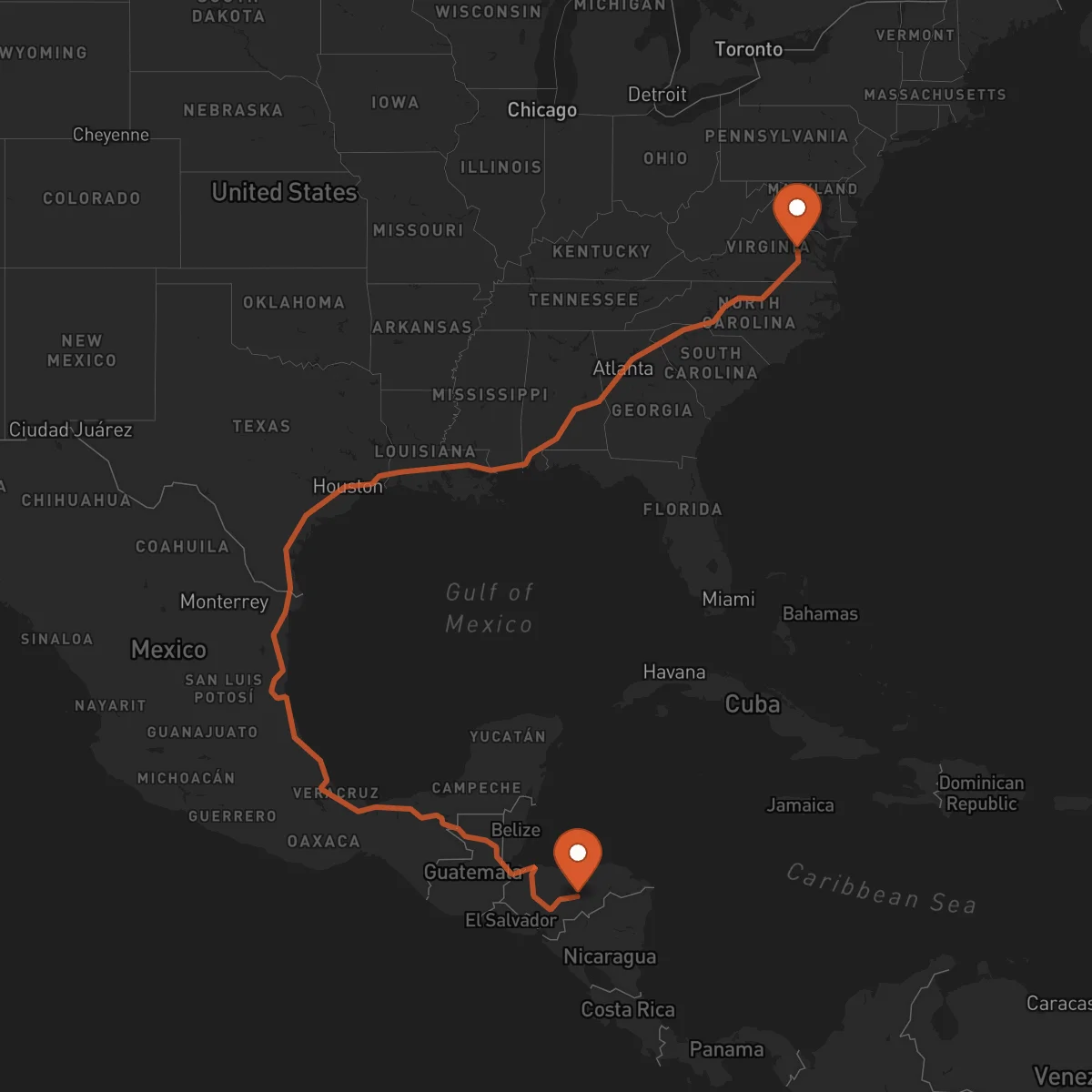
The Juticalpa-Richmond corridor represents a vital North-South trade artery connecting the agricultural heartland of Honduras with the industrial and distribution hubs of the U.S. East Coast. This cross-border route is strategically important for moving time-sensitive goods, supporting the integrated supply chains of Central America and the United States. The corridor facilitates the flow of products from one of Honduras's key production zones to a major consumption and re-export market in Virginia.
Economically, the corridor bridges the resource-rich Olancho region with the dynamic Mid-Atlantic economy. Juticalpa's output, primarily agricultural commodities and light manufactured goods, finds a direct path to Richmond's diverse industrial base, which includes manufacturing, food processing, and a massive distribution sector leveraging the Port of Virginia. This direct FTL connection reduces handling, transit complexity, and potential delays compared to multi-leg or consolidated shipping.
Key industries utilizing this route include agriculture (coffee, tropical fruits, seafood), furniture and wood products, apparel and textiles, and general manufactured goods. The primary transportation infrastructure relies on a network of major highways. In Honduras, the route typically begins on CA-5, connecting to the border at El Amatillo. In the U.S., it traverses Guatemala and Mexico via routes like the Pan-American Highway and Mexican Federal Highway 190 before crossing into Texas. The main U.S. leg uses I-35 through Laredo, transitioning to I-20 and I-95 for the journey to Richmond.
Critical border crossings, such as El Amatillo (Honduras/Guatemala) and the Laredo/Columbia Solidarity International Bridge (U.S./Mexico), are managed with precision. Control Terrestre facilitates seamless operations on this corridor through our alliance of providers possessing C-TPAT and FAST certifications. These credentials streamline customs clearance and inspections. Our dedicated, full truckload (FTL) service model ensures a single point of accountability, a direct door-to-door connection, and the use of appropriate equipment—from dry vans to temperature-controlled units—tailored to the cargo's specific needs, all managed with a human, proactive approach.
Services for this Route
Available services for the corridor Juticalpa - Richmond
 Origin
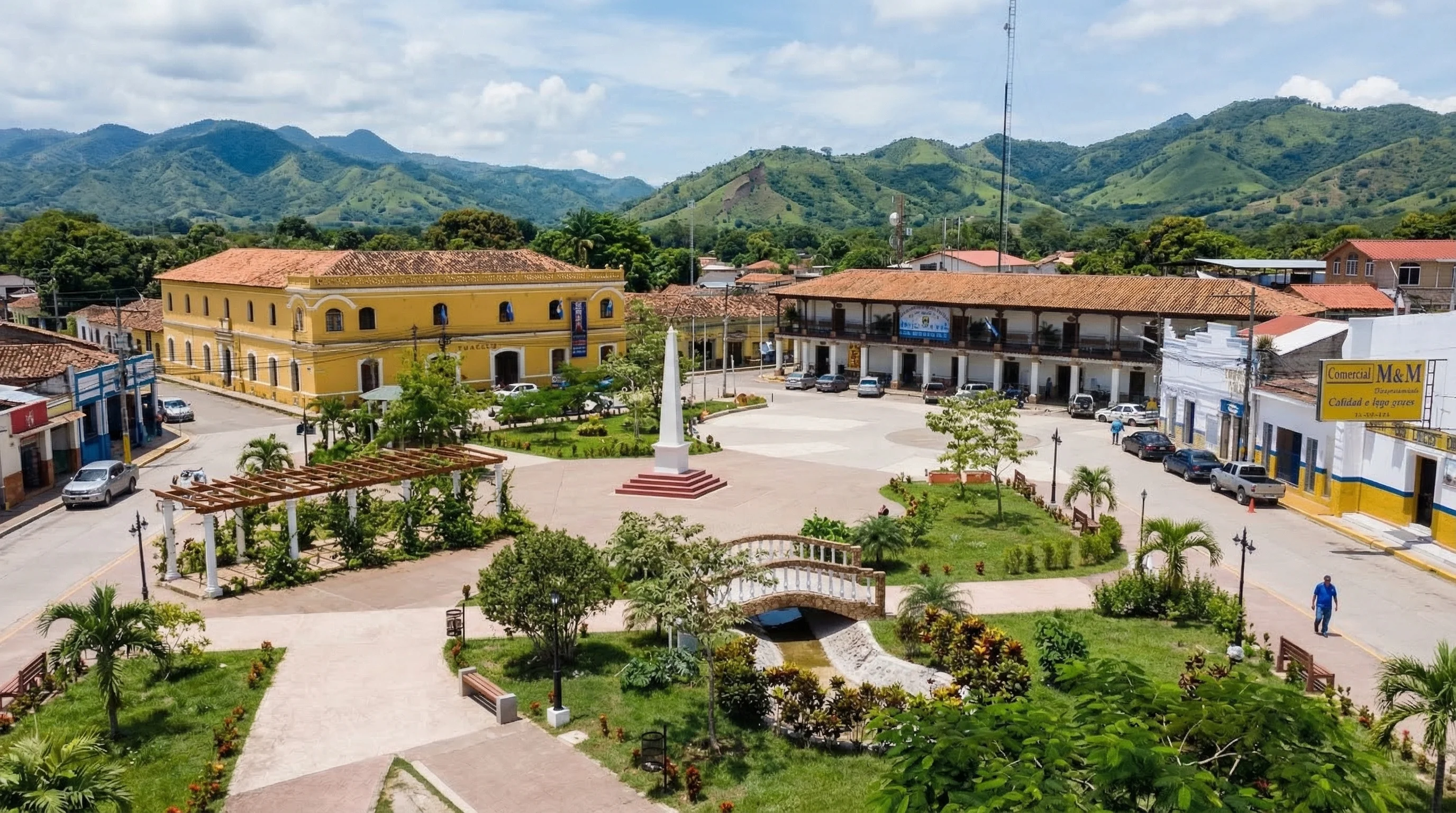
Juticalpa, the capital of Honduras's Olancho department, is a strategic logistics origin due to its central location within the country's largest and most agriculturally productive region. Often called the 'breadbasket' of Honduras, Olancho generates significant volumes of beef, dairy, grains, coffee, and tropical fruits. The city itself is a commercial hub for these goods, supported by local sawmills and furniture manufacturers.
Infrastructure is centered on the CA-5 highway, which provides the main north-south artery connecting Juticalpa to San Pedro Sula and the northern coastal ports of Puerto Cortés and Tela. This highway link is essential for getting export cargo to the primary border crossing at El Amatillo (Guatemala). While port access is indirect, the overland route to the border is well-established and serves as the critical first leg for northbound freight. The availability of warehousing and cross-docking facilities near Juticalpa supports the consolidation of full truckloads for export.
 Destination
Richmond
Richmond, Virginia, is a premier logistics destination on the U.S. East Coast, offering exceptional strategic value. Its central location in the Mid-Atlantic provides efficient access to major markets from Boston to Atlanta, with direct highway connections to the Port of Virginia—one of the deepest and most efficient container ports in the Western Hemisphere. The city is a historic industrial center with a modern economy strong in manufacturing (chemicals, plastics, tobacco), food processing, and, most notably, distribution and warehousing.
Richmond's infrastructure is a major asset. It is intersected by three major interstate highways: I-95 (the primary East Coast corridor), I-64 (connecting to the port and Midwest), and I-85 (linking to the Southeast). This 'crossroads' positioning allows for rapid distribution of imported goods throughout the eastern U.S. The presence of extensive warehouse and distribution center space, coupled with the port's capabilities, makes Richmond an ideal final-mile destination for full truckload shipments from Central America, serving both local industry and as a node for broader national re-distribution.










