Juigalpa to Milwaukee
Milwaukee → JuigalpaFTL freight transportation service between Juigalpa and Milwaukee. Reliable logistics solutions for your business.
Route Description
Everything you need to know about the corridor Juigalpa - Milwaukee
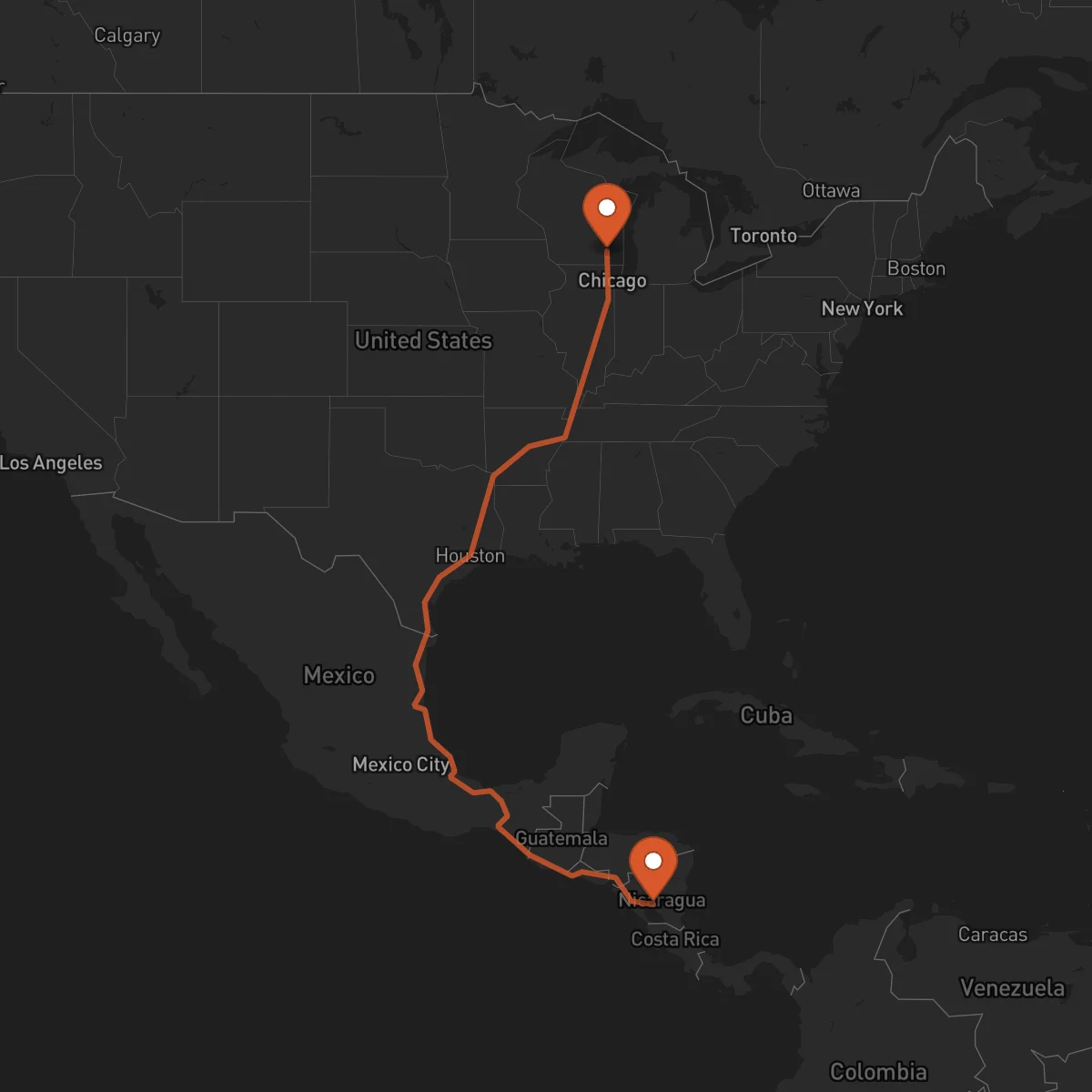
The Juigalpa to Milwaukee corridor is a strategic cross-border logistics artery connecting Central America's agricultural heartland with the industrial Midwest of the United States. This approximately 3,450 km route is vital for moving full truckload (FTL) freight, facilitating trade between Nicaragua's key export sectors and Wisconsin's robust manufacturing base. The corridor's importance lies in its role as a direct conduit for time-sensitive goods, including agricultural products, manufactured components, and specialized cargo, bypassing the need for coastal port transshipment for inland destinations.
Economically, the corridor serves dynamic regions. Nicaragua, particularly the Chontales department around Juigalpa, is a major producer of beef, dairy, coffee, and agricultural staples. Milwaukee, historically known as the 'Cream City,' remains a hub for advanced manufacturing, food processing, brewing, and machinery. Primary industries leveraging this route include agribusiness, food and beverage, industrial manufacturing, and companies requiring dedicated or expedited freight solutions for their supply chains.
Transportation infrastructure relies on a network of major highways. In Nicaragua, the route typically begins on the Pan-American Highway (RN-1) before connecting to routes leading to the southern border. Through Mexico, carriers utilize federal highways like Mexico 190 and 57, transitioning to the US Interstate system, predominantly I-35 and I-94, for the final leg into Wisconsin. Key border crossings, such as those at Laredo/El Paso, are critical chokepoints where customs clearance and regulatory compliance are paramount. Our expertise lies in navigating these complexities.
Control Terrestre facilitates seamless operations on this corridor through our robust alliance of certified transportation providers. Our partners hold essential certifications including C-TPAT, FAST, and BASC, which streamline customs procedures and enhance security for cross-border movements. We exclusively manage FTL shipments—dedicated, oversized, refrigerated, or specialized—ensuring your cargo travels as a single, secure unit from door in Juigalpa to door in Milwaukee, optimizing transit integrity for your supply chain.
Services for this Route
Available services for the corridor Juigalpa - Milwaukee
 Origin
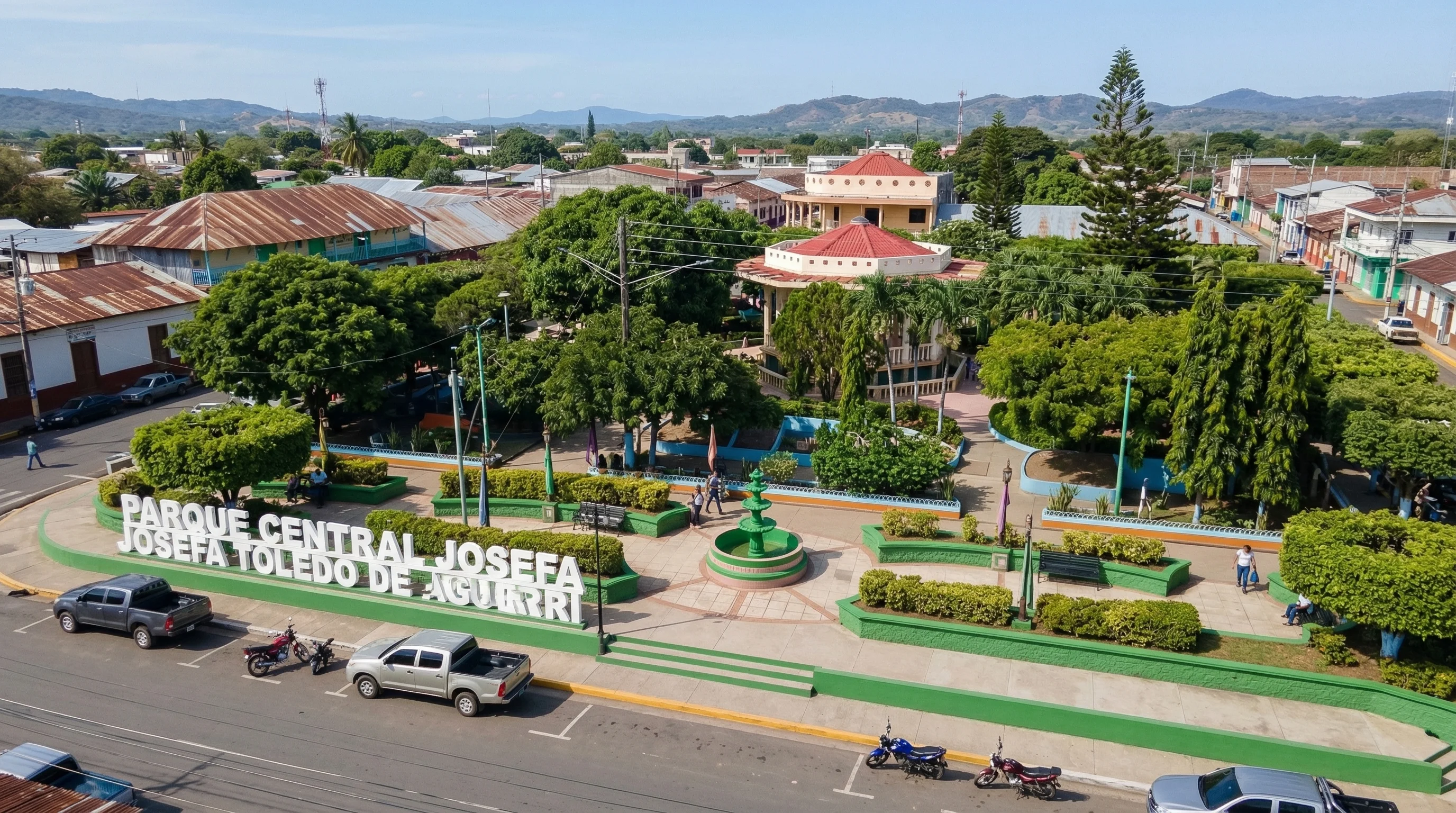
Juigalpa, the capital of Nicaragua's Chontales department, serves as a pivotal inland logistics hub for central Nicaragua. Its strategic location provides efficient overland access to both the Pacific port of Corinto and the southern border crossings with Costa Rica, making it a natural aggregation point for domestic freight destined for export. The region's economy is deeply rooted in agriculture and livestock, with Chontales being one of Nicaragua's primary zones for beef and dairy production, alongside significant coffee, sesame, and grain cultivation. This agricultural output generates consistent demand for outbound freight services.
Available transportation infrastructure centers on the Pan-American Highway (RN-1), which runs near Juigalpa and connects it to Managua to the west and the southern border to the south. A network of secondary and tertiary roads distributes agricultural and manufactured goods from surrounding farms and facilities to this main artery. While the port of Corinto handles seaborne exports, Juigalpa's role is crucial for consolidating land-based FTL shipments heading north, particularly for time-sensitive agricultural commodities and manufactured goods requiring direct, unbroken transit to North American markets.
 Destination
Milwaukee
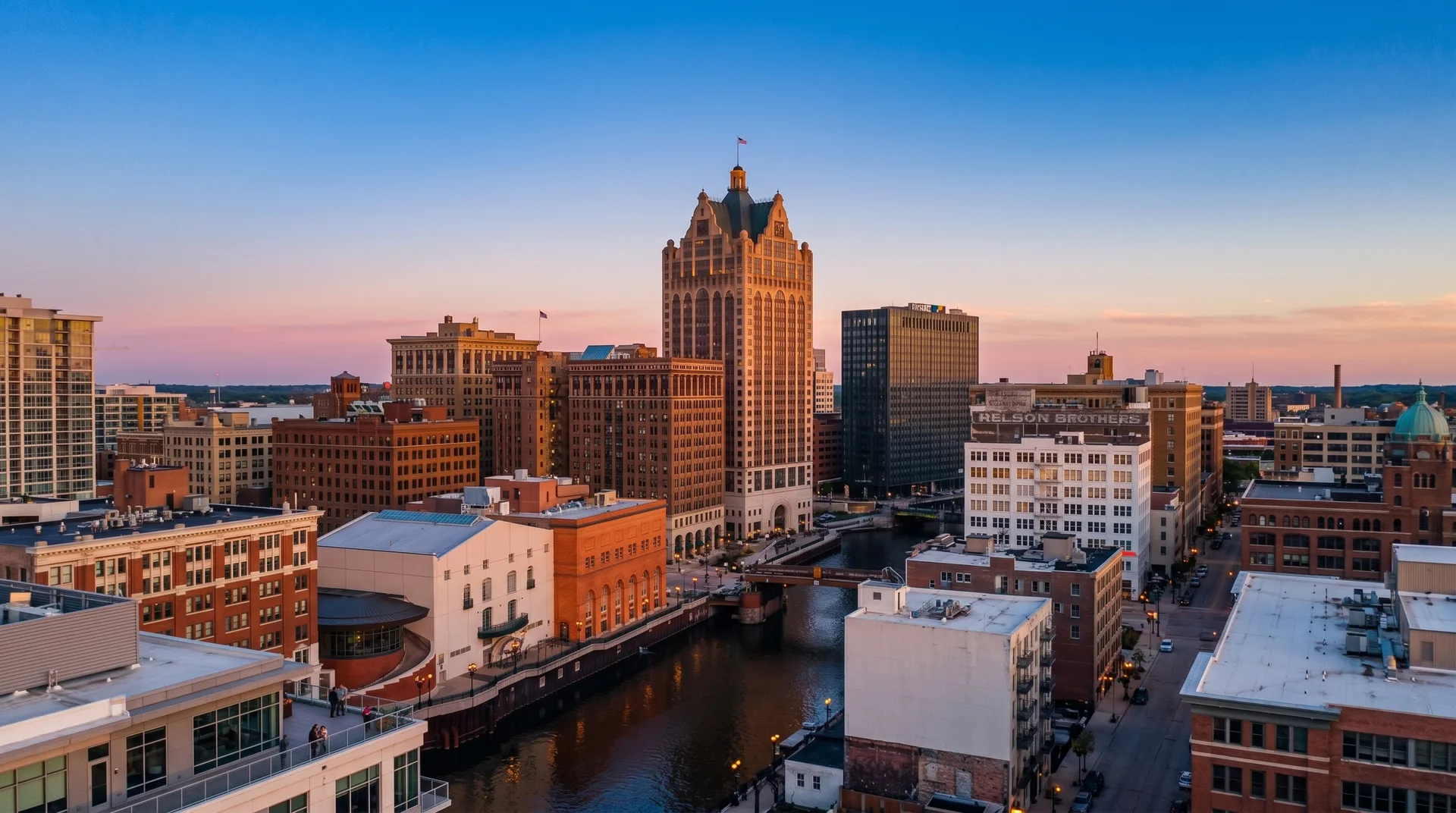
Milwaukee, Wisconsin, is a major industrial and distribution center in the Upper Midwest, strategically positioned on the western shore of Lake Michigan. Its logistics significance is amplified by its convergence of interstate highways, Class I railroads, and Great Lakes shipping, creating a multimodal nexus for the region. The city anchors a sprawling metropolitan area with a diverse industrial base, making it a key destination for inbound freight. Major industries include heavy machinery and manufacturing, food and beverage production (notably brewing), paper and packaging, and healthcare technology. This industrial diversity drives demand for reliable inbound FTL transportation of raw materials, components, and finished goods.
The city's transportation infrastructure is robust. It is directly served by Interstate 94, the primary east-west corridor connecting Chicago to the west and Detroit to the east, and Interstate 43, which links to Green Bay and the northern part of the state. Milwaukee Mitchell International Airport adds air cargo capacity. For ground freight, these interstates, coupled with an extensive network of state highways, enable efficient door-to-door delivery throughout Wisconsin and the broader Midwest. The port of Milwaukee further supports bulk and project cargo, though the Juigalpa corridor primarily utilizes the overland highway network for direct FTL delivery to manufacturing plants and distribution centers within the city and its surrounding industrial parks.










