
Juigalpa to Miami
Miami → JuigalpaFTL freight transportation service between Juigalpa and Miami. Reliable logistics solutions for your business.
Route Description
Everything you need to know about the corridor Juigalpa - Miami
The logistics corridor connecting Juigalpa, Nicaragua to Miami, Florida represents a vital trade link between Central America and the southeastern United States. This cross-border route spans approximately 1,614 kilometers, facilitating the movement of diverse cargo types from Nicaragua's agricultural heartland to one of America's busiest international ports. The corridor serves as a crucial artery for trade, connecting inland production centers with global maritime networks through Miami's strategic location.
The economic significance of this route extends beyond simple transportation. Juigalpa serves as a key distribution point for Nicaragua's agricultural exports, including coffee, beef, dairy products, and various processed foods. Miami, as a major logistics hub, provides access to both U.S. markets and international destinations through its extensive air and sea freight infrastructure. This corridor enables businesses to efficiently move goods between these two dynamic economic regions, supporting trade relationships that benefit both economies.
Key industries utilizing this corridor include agricultural producers, food processing companies, and manufacturers of consumer goods. The route typically follows established highways through Nicaragua and Honduras, connecting to major U.S. interstate systems upon entry. Border crossings at key points require careful coordination and documentation, particularly for agricultural products subject to U.S. import regulations. Control Terrestre's expertise in cross-border logistics ensures seamless operations, handling all necessary customs procedures, documentation requirements, and compliance with both Nicaraguan and U.S. transportation regulations.
Services for this Route
Available services for the corridor Juigalpa - Miami
 Origin
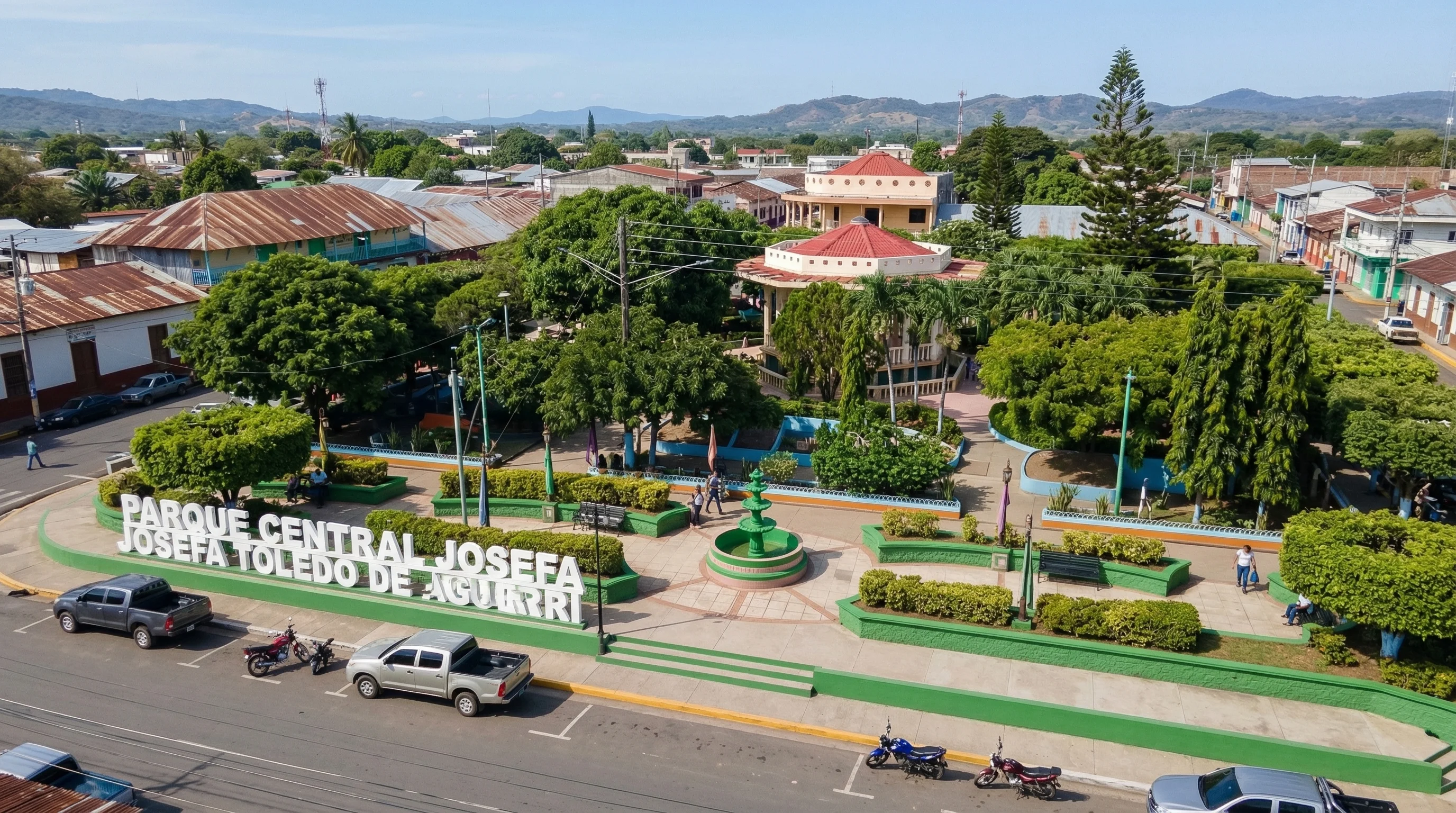
Juigalpa, located in the Chontales department of Nicaragua, serves as a strategic logistics hub for the country's agricultural heartland. The city's position in the central region provides excellent connectivity to both Pacific and Caribbean ports, making it an ideal origin point for freight transportation. Juigalpa's economy centers around agriculture, livestock, and food processing, with numerous companies requiring reliable transportation to international markets. The city benefits from well-maintained highways connecting to Managua and other major centers, along with access to secondary roads serving rural production areas. Transportation infrastructure includes a network of provincial roads suitable for heavy freight vehicles, distribution centers, and warehousing facilities that support the region's export-oriented businesses.
 Destination
Miami
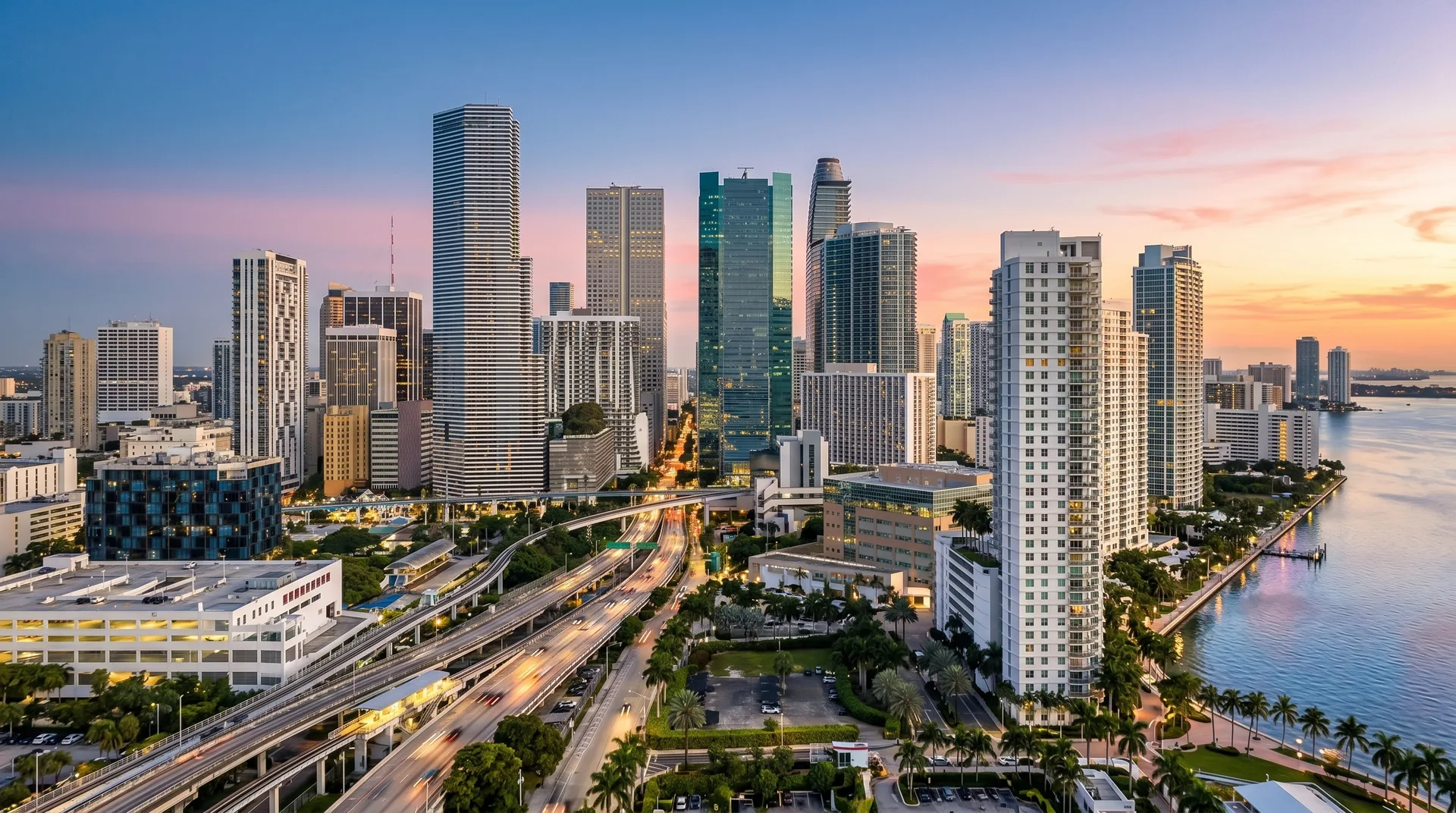
Miami, Florida stands as one of the most strategic logistics hubs in the United States, offering unparalleled connectivity to both domestic and international markets. The city's location provides direct access to Latin American trade routes and serves as a gateway to the southeastern U.S. market. Miami's logistics infrastructure includes the Port of Miami, Miami International Airport (one of the busiest cargo airports in the world), and an extensive network of interstate highways. The region hosts numerous distribution centers, warehousing facilities, and third-party logistics providers, supporting industries ranging from perishable foods and beverages to electronics and consumer goods. Miami's status as a free trade zone and its proximity to major consumer markets make it an ideal destination for freight from Central America, with robust customs facilities and experienced logistics professionals ensuring efficient cargo clearance and distribution.










