
Juigalpa to Columbia
Columbia → JuigalpaFTL freight transportation service between Juigalpa and Columbia. Reliable logistics solutions for your business.
Route Description
Everything you need to know about the corridor Juigalpa - Columbia
The logistics corridor connecting Juigalpa, Chontales, Nicaragua to Columbia, South Carolina represents a vital cross-border trade route spanning approximately 2,475 kilometers. This corridor serves as a crucial link between Central America's agricultural heartland and the southeastern United States industrial hub. The route traverses diverse terrains and crosses multiple international borders, requiring expert coordination and specialized knowledge of customs procedures. Control Terrestre's extensive network of certified carriers ensures seamless freight movement across this complex corridor, providing full truckload (FTL) services that maintain cargo integrity from origin to destination.
The economic significance of this corridor extends beyond simple transportation, facilitating trade between Nicaragua's agricultural exports and South Carolina's manufacturing and distribution sectors. Major industries utilizing this route include agricultural products, textiles, automotive parts, and consumer goods. The corridor primarily follows established international highways through Nicaragua, Honduras, Guatemala, and Mexico before entering the United States via major border crossings. Control Terrestre's expertise in cross-border documentation, customs clearance, and regulatory compliance ensures efficient transit times and minimizes potential delays at international checkpoints.
Transportation infrastructure along this corridor includes major highways such as CA-1 (Pan-American Highway) through Central America and I-77 into Columbia, South Carolina. Key border crossings at El Amatillo (El Salvador-Honduras) and Ciudad Hidalgo (Mexico-Guatemala) require specialized handling and documentation. Control Terrestre's C-TPAT and FAST certifications streamline customs processes, while our experienced team manages all aspects of cross-border logistics, including proper cargo securing, temperature-controlled transportation when needed, and real-time tracking throughout the journey.
Services for this Route
Available services for the corridor Juigalpa - Columbia
 Origin
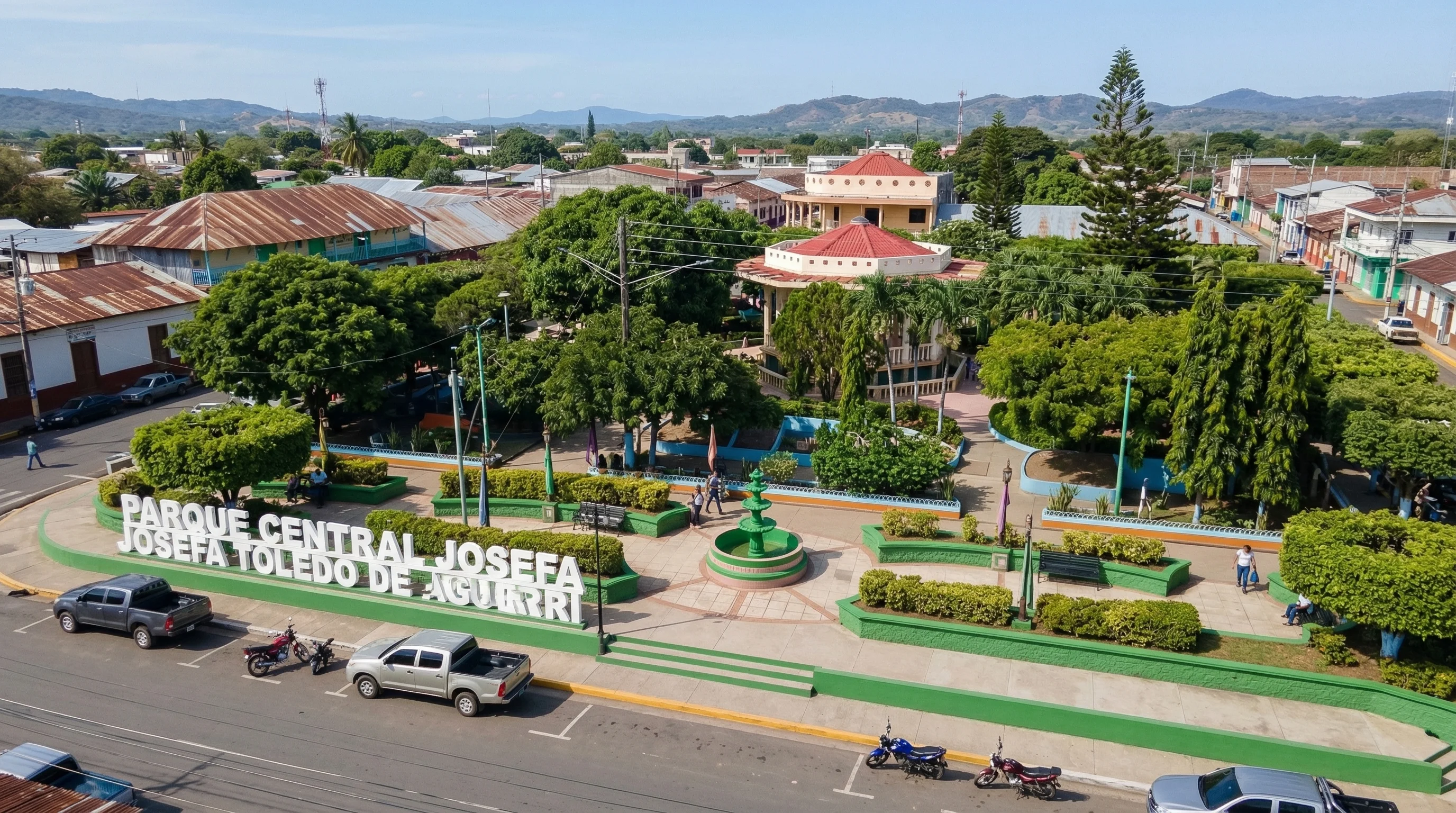
Juigalpa, located in the Chontales department of Nicaragua, serves as a strategic logistics hub for Central American trade. This city sits at the crossroads of major agricultural production regions, making it an ideal origin point for freight shipments to the United States. The region's economy is primarily driven by cattle ranching, dairy production, and agricultural exports including corn, beans, and other staple crops. Juigalpa's transportation infrastructure includes access to the Pan-American Highway (CA-1), which connects to major ports and border crossings. The city's central location within Nicaragua provides efficient distribution capabilities to surrounding production areas, while its developing logistics facilities support growing export demands. Control Terrestre leverages Juigalpa's strategic position to offer reliable full truckload services connecting Nicaraguan producers directly to U.S. markets.
 Destination
Columbia
Columbia, South Carolina stands as a major logistics and distribution center in the southeastern United States. The city's strategic location at the intersection of I-20, I-26, and I-77 provides excellent connectivity to major markets along the East Coast and throughout the Southeast. Columbia's economy encompasses diverse industries including automotive manufacturing, healthcare, education, and advanced manufacturing. The region hosts numerous distribution centers and warehouses, benefiting from proximity to the Port of Charleston and other major transportation hubs. The city's infrastructure includes multiple interstate highways, rail connections, and a regional airport, supporting comprehensive freight movement capabilities. Control Terrestre's services to Columbia ensure seamless delivery of full truckload shipments from Central America, connecting international trade with local distribution networks and manufacturing operations.










