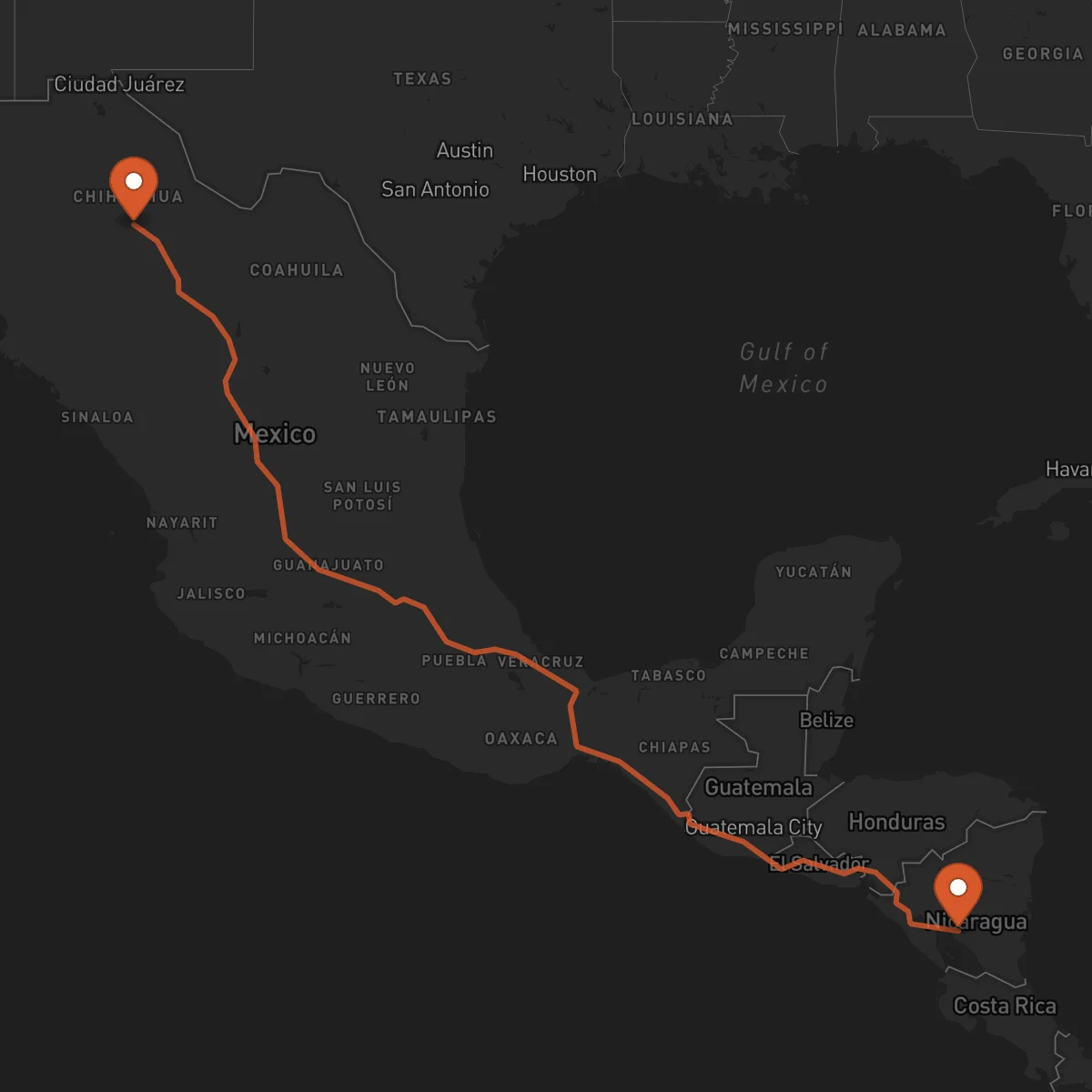
Juigalpa to Chihuahua
Chihuahua → JuigalpaFTL freight transportation service between Juigalpa and Chihuahua. Reliable logistics solutions for your business.
Route Description
Everything you need to know about the corridor Juigalpa - Chihuahua
The Juigalpa to Chihuahua corridor is a vital cross-border artery connecting Central America's agricultural heartland with Northern Mexico's industrial powerhouse. Spanning approximately 2,826 km, this route facilitates the essential flow of goods between Nicaragua and one of Mexico's most significant manufacturing and export states. The economic context is defined by Nicaragua's robust agricultural and livestock sectors supplying raw materials and products to Chihuahua's advanced manufacturing base, including automotive, aerospace, and electronics, as well as its own diverse agricultural output. Key industries leveraging this corridor include agribusiness (coffee, sesame, livestock), food and beverage processing, and the movement of component parts for maquiladoras. The primary transportation infrastructure relies on a network of major highways, beginning with Nicaragua's CA-1 connecting to the Honduran border, transitioning through Mexico's federal highway network, notably the MX-57 and MX-45, which form the backbone of the journey north. The critical border crossing is at El Paso, Texas / Ciudad Juárez, Chihuahua, a major port of entry with sophisticated customs operations. Navigating the complex customs and regulatory requirements for cross-border freight, especially for specialized or hazardous cargo, demands expertise. At Control Terrestre, we facilitate seamless operations on this corridor through our strategic alliance of certified transportation providers. Our network possesses the necessary C-TPAT and FAST certifications to expedite clearance, and we match your specific cargo—whether standard dry van, refrigerated, oversized, or tanker—with the optimal equipment and dedicated carrier, ensuring a streamlined, reliable FTL solution from origin to destination.
Services for this Route
Available services for the corridor Juigalpa - Chihuahua
 Origin
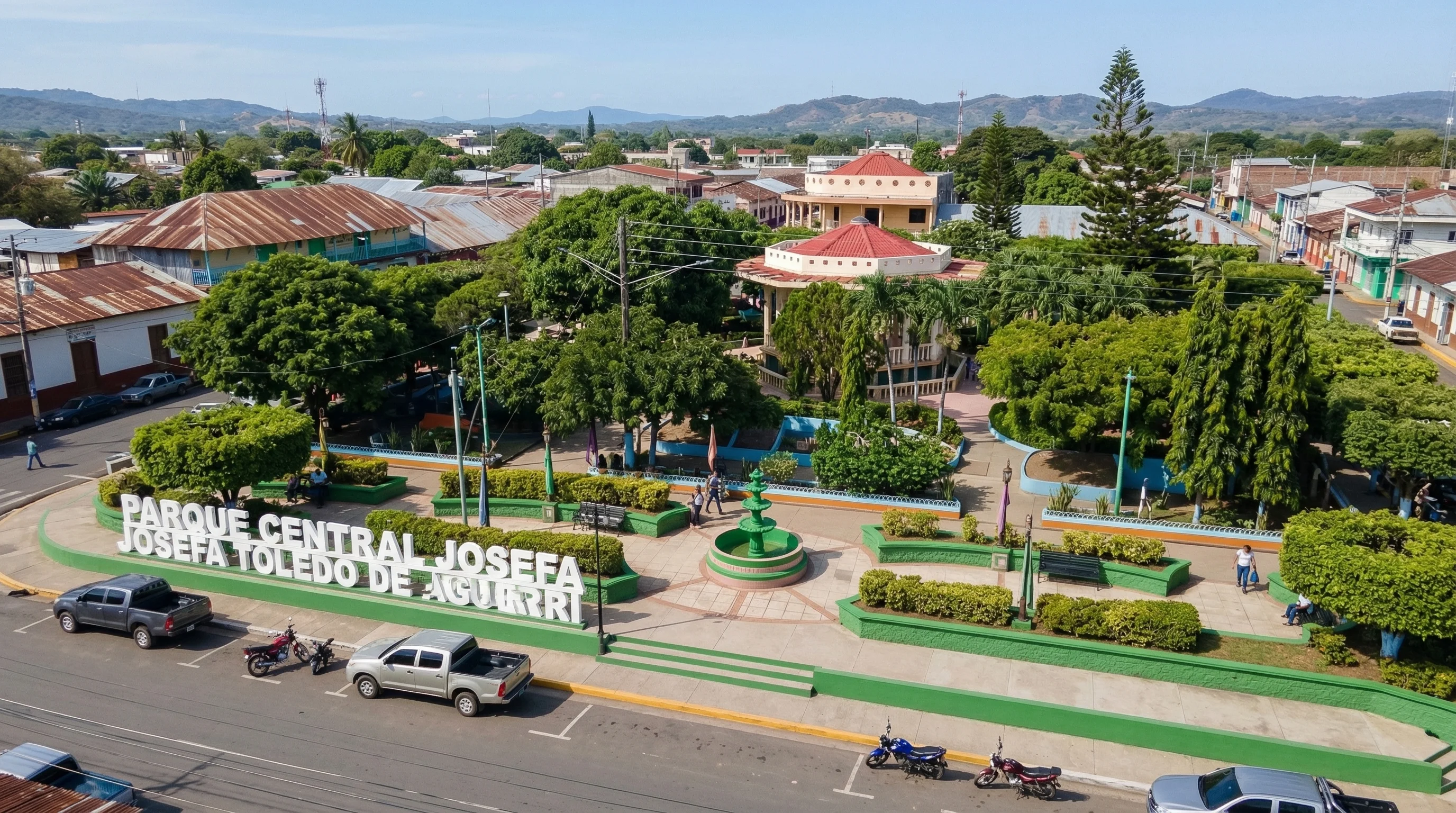
Juigalpa, the capital of Nicaragua's Chontales department, serves as a strategic agricultural and livestock hub in Central America. Its location provides crucial access to the Pan-American Highway system (CA-1), enabling efficient connectivity to major ports like Corinto on the Pacific coast and overland routes to Honduras and onward to Mexico. The region's economy is predominantly driven by extensive cattle ranching, sesame and coffee cultivation, and dairy production. This generates consistent demand for outbound full truckload freight, primarily consisting of agricultural commodities, livestock, and related goods. The available transportation infrastructure is centered on the paved CA-1 highway corridor, which links Juigalpa to Managua for international consolidation and to the southern border crossings with Costa Rica and Honduras. While rail infrastructure is limited, the road network is well-established for regional distribution, positioning Juigalpa as a key collection point for export-oriented FTL services heading north.
 Destination
Chihuahua City, the capital of the state of Chihuahua, is a paramount logistics and industrial center in Northern Mexico. Its strategic location places it at the crossroads of major north-south (MX-45) and east-west (MX-57) federal highways, providing direct access to the U.S. border at Ciudad Juárez/El Paso and to central Mexico. The economy is a dynamic blend of world-class manufacturing—particularly in the automotive and aerospace sectors—alongside massive agricultural production, including apples, dairy, and nuts. This creates immense inbound logistics needs for raw materials and components, and outbound demand for finished goods and agricultural products. The infrastructure is exceptionally robust, featuring not only an extensive highway network but also significant rail lines operated by major carriers and a busy international airport. Numerous industrial parks and logistics centers surround the city, making it a critical distribution hub for the entire region and the primary destination for cross-border FTL corridors like the one from Nicaragua.










