
Juigalpa to Atlanta
Atlanta → JuigalpaFTL freight transportation service between Juigalpa and Atlanta. Reliable logistics solutions for your business.
Route Description
Everything you need to know about the corridor Juigalpa - Atlanta
The logistics corridor connecting Juigalpa, Nicaragua to Atlanta, Georgia represents a vital trade link between Central America and the southeastern United States. This 2,410 km cross-border route facilitates the movement of diverse cargo types, from agricultural products to manufactured goods, supporting the growing commercial relationship between both regions. The corridor traverses multiple countries and requires careful coordination of transportation modes and customs procedures.
This route serves as a crucial artery for industries such as automotive, electronics, and consumer goods, with Atlanta's position as a major logistics hub making it an ideal destination for Central American exports. The journey typically involves ground transportation through Nicaragua, Honduras, Guatemala, and Mexico before crossing into the United States, requiring expertise in cross-border documentation and compliance with various regulatory frameworks.
Control Terrestre specializes in managing the complexities of this corridor, offering full truckload (FTL) services that ensure cargo moves efficiently from origin to destination. Our experienced team navigates the intricacies of international shipping, including customs clearance, documentation requirements, and coordination with multiple carriers across different jurisdictions. We leverage our network of certified transportation providers to maintain reliability and security throughout the journey, making us the trusted partner for businesses looking to establish or optimize their supply chain between Juigalpa and Atlanta.
Services for this Route
Available services for the corridor Juigalpa - Atlanta
 Origin
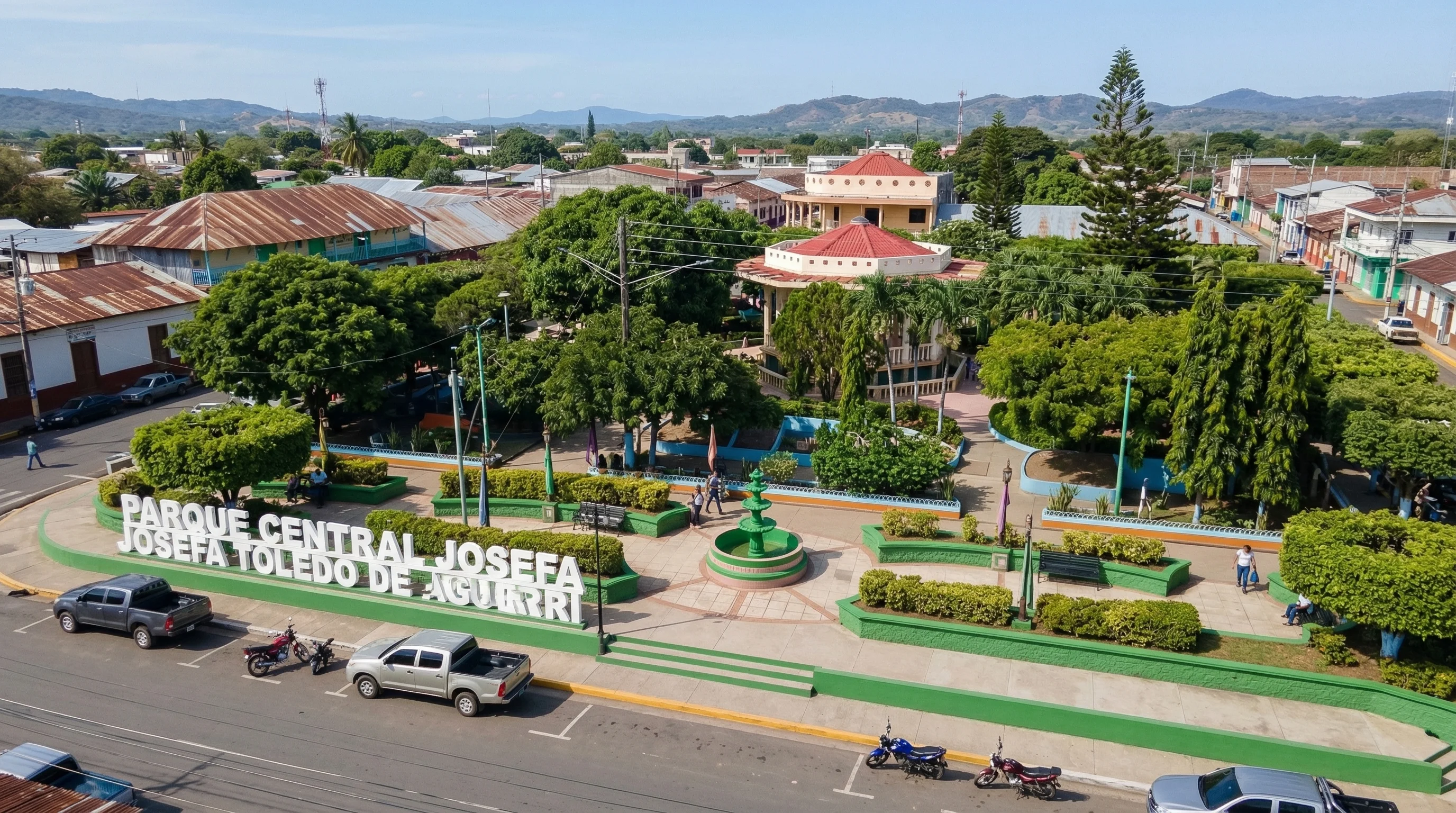
Juigalpa, located in the Chontales department of Nicaragua, serves as a strategic logistics point for agricultural exports and regional distribution. The city's economy is primarily driven by livestock farming, dairy production, and agricultural activities, making it a key origin point for food products and raw materials destined for international markets. Its central location within Nicaragua provides good connectivity to both Pacific and Atlantic ports, enhancing its value as a logistics hub.
The city benefits from access to the Pan-American Highway and other regional road networks, facilitating ground transportation to neighboring countries. While Juigalpa itself is not a major industrial center, its role in agricultural production and its proximity to farming regions make it an important starting point for freight movements to North American markets. The local transportation infrastructure, though developing, connects efficiently to major highways leading north toward the Honduran border.
 Destination
Atlanta
Atlanta, Georgia stands as one of the most important logistics hubs in the United States, offering unparalleled connectivity and infrastructure for freight transportation. The city's strategic location in the southeastern U.S. provides access to major interstate highways, including I-75, I-85, and I-20, creating an extensive distribution network throughout the region. Atlanta's Hartsfield-Jackson International Airport, one of the busiest in the world, complements its ground transportation capabilities, making it a multimodal logistics center.
The Atlanta metropolitan area hosts a diverse industrial base, including automotive manufacturing, aerospace, technology, and food processing sectors. The presence of major corporations and distribution centers has established Atlanta as a critical node in North American supply chains. The city's extensive warehousing and distribution facilities, combined with its proximity to major ports like Savannah and Charleston, make it an ideal destination for international freight, including cargo arriving from Central American origins like Juigalpa.










