Jinotega to Seattle
Seattle → JinotegaFTL freight transportation service between Jinotega and Seattle. Reliable logistics solutions for your business.
Route Description
Everything you need to know about the corridor Jinotega - Seattle
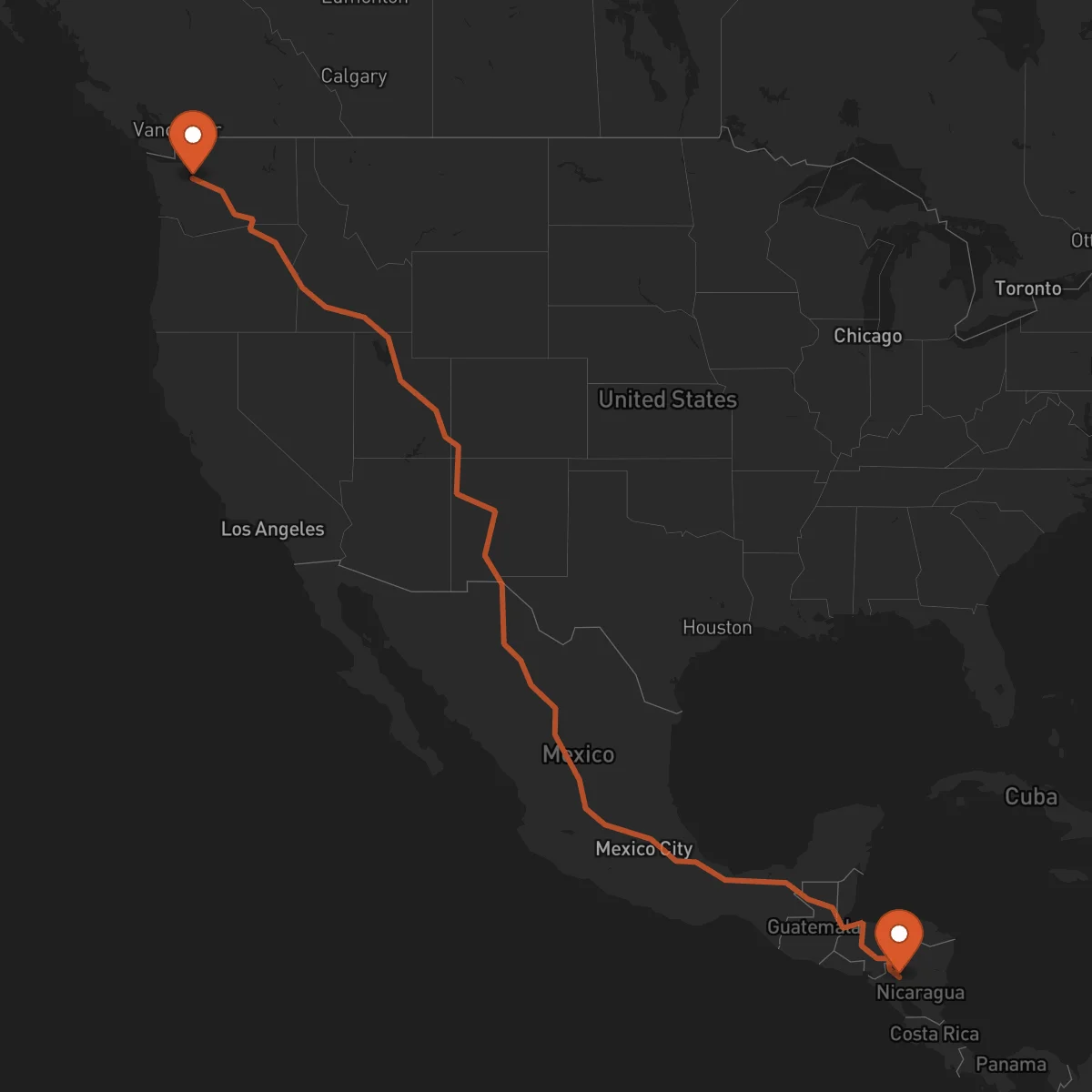
The Jinotega-to-Seattle corridor represents a critical North-South logistics artery connecting the agricultural heartland of Nicaragua with the major tech and trade hub of the Pacific Northwest. Spanning approximately 5,101 km, this cross-border route traverses the full length of Central America and the United States, facilitating the movement of essential goods between two dynamic economic regions. The corridor's strategic importance is anchored in its role as a direct conduit for Nicaraguan exports, particularly agricultural products, to reach major U.S. consumption and industrial markets, while enabling the return flow of manufactured goods and equipment.
Economically, the corridor serves regions with complementary industrial profiles. Jinotega and Nicaragua are renowned for high-value agriculture, including premium coffee, beans, and tropical fruits. Seattle, by contrast, is a powerhouse of technology, aerospace manufacturing, and maritime trade. This creates a robust, bidirectional trade flow. Primary industries utilizing this corridor include agriculture and agribusiness from the origin, and technology, retail, and general manufacturing from the destination. The consistent demand for full truckload (FTL) capacity to move bulk agricultural goods north and finished products south makes this a vital route for supply chain stability.
Infrastructure along the route is a multi-national tapestry. The journey begins on Nicaragua's Pan-American Highway (CA-1), crossing through Honduras, Guatemala, and Mexico via a network of federal highways (including Mexico's FH 150, FH 200, and FH 15D). The critical Mexico-U.S. border crossing, a key operational node, is efficiently managed through certified lanes. In the U.S., the route primarily utilizes Interstate 5, the West Coast's primary freight corridor, providing a direct, high-capacity link to Seattle. Control Terrestre facilitates seamless operations on this complex corridor through our strategic alliances with carriers holding essential certifications like C-TPAT, FAST, and BASC. Our expertise in cross-border documentation, customs coordination, and dedicated FTL management ensures that our clients' full truckload shipments navigate international borders and thousands of kilometers with a single, accountable point of contact, optimizing transit integrity from door to door.
Services for this Route
Available services for the corridor Jinotega - Seattle
 Origin
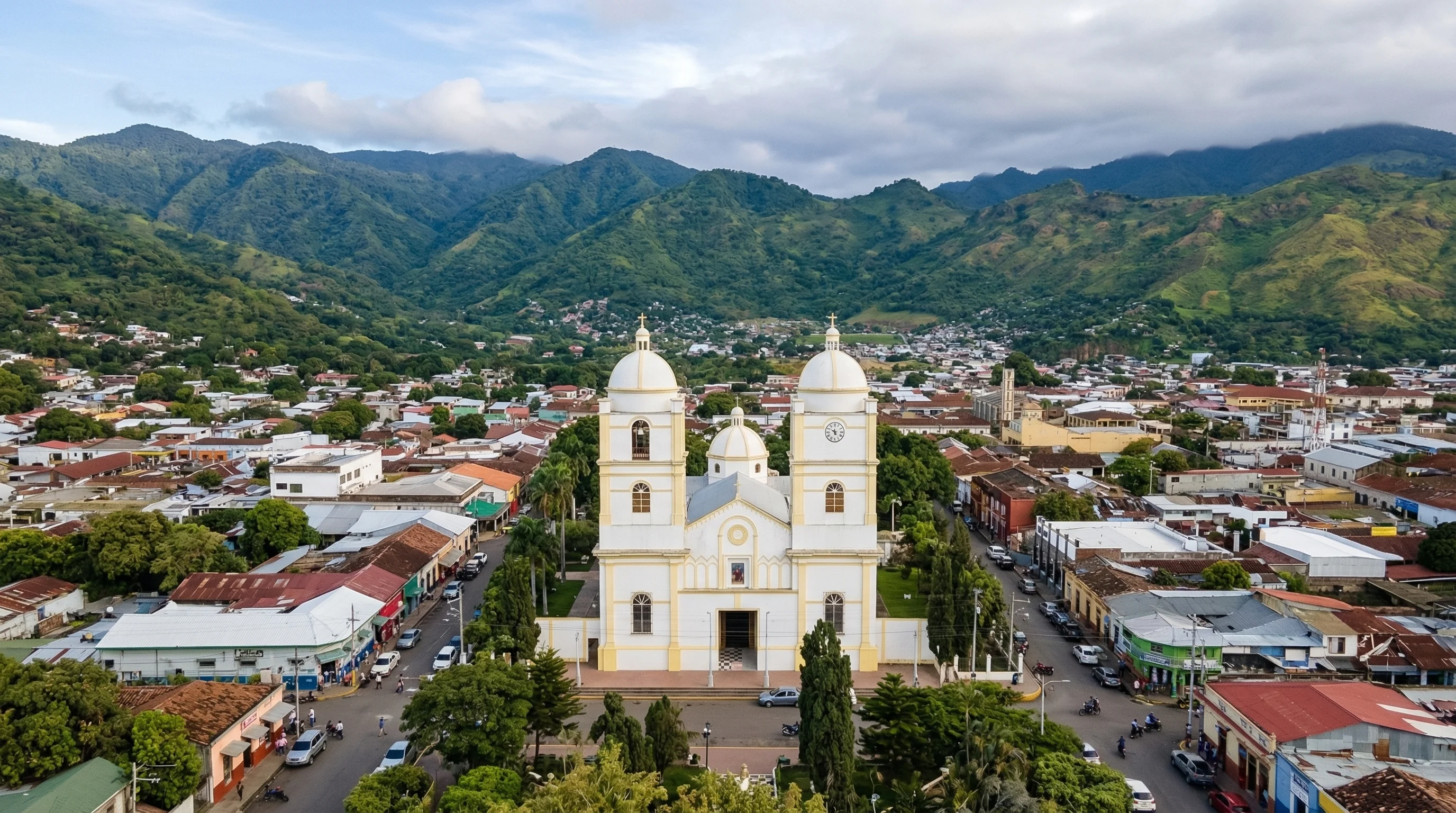
Jinotega, Nicaragua, serves as a pivotal agricultural and logistics origin point in Central America. Strategically located in the northern highlands of Nicaragua, it is the country's primary coffee-producing region, often called the 'Capital of Coffee.' The department's economy is deeply rooted in high-value agriculture, with coffee as the flagship export, supplemented by beans, vegetables, and livestock. This concentration of export-oriented agriculture creates consistent, seasonal demand for robust outbound freight capacity. The available transportation infrastructure centers on the Pan-American Highway (CA-1), which runs through the region, connecting Jinotega to the national highway network. This provides the essential terrestrial link to the border crossings with Honduras and, ultimately, the comprehensive logistics corridors leading north. The local infrastructure is tailored to support agricultural collection and initial consolidation, making it an effective launchpad for long-haul, full truckload shipments destined for North American markets.
 Destination
Seattle
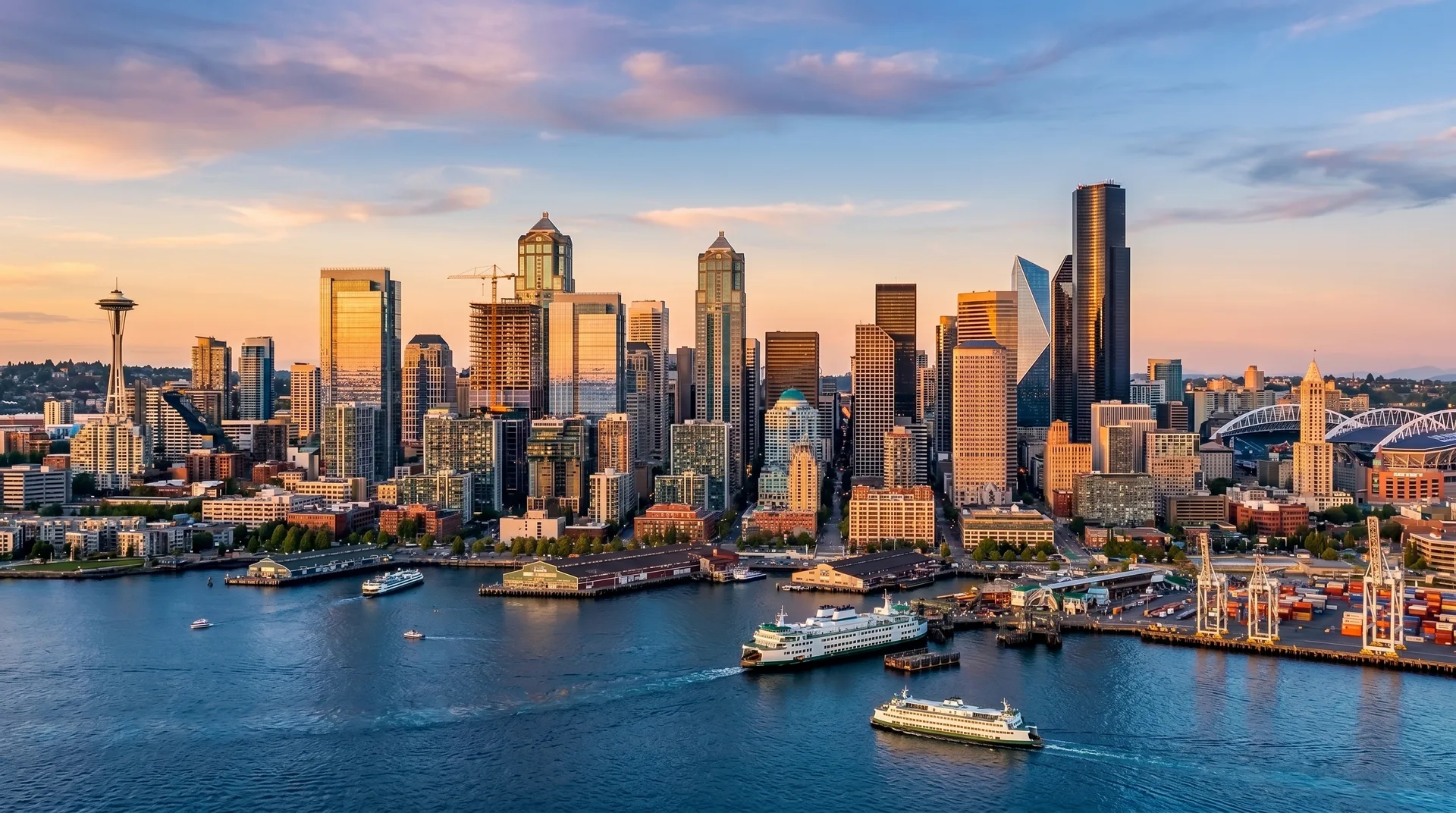
Seattle, Washington, is a premier logistics and economic gateway on the U.S. West Coast. Its strategic location is defined by the deep-water Port of Seattle, one of the busiest container ports in North America, and its position as the northern terminus of the critical Interstate 5 corridor. This creates a massive, efficient freight ecosystem that handles everything from Asian imports to domestic distribution. Seattle's economy is powered by advanced sectors including aerospace (Boeing), technology (major cloud and software companies), biotechnology, and clean energy, alongside a strong retail and manufacturing base. These industries generate significant demand for inbound FTL freight for components and materials, and outbound flows of finished goods. The transportation infrastructure is world-class, featuring I-5 for road, major Class I rail lines, and extensive port facilities. This makes Seattle not just a destination, but a powerful transshipment and distribution hub for the entire Pacific Northwest region, requiring reliable, high-capacity trucking solutions for final-mile and cross-country connections.










