Jinotega to Acapulco
Acapulco → JinotegaFTL freight transportation service between Jinotega and Acapulco. Reliable logistics solutions for your business.
Route Description
Everything you need to know about the corridor Jinotega - Acapulco
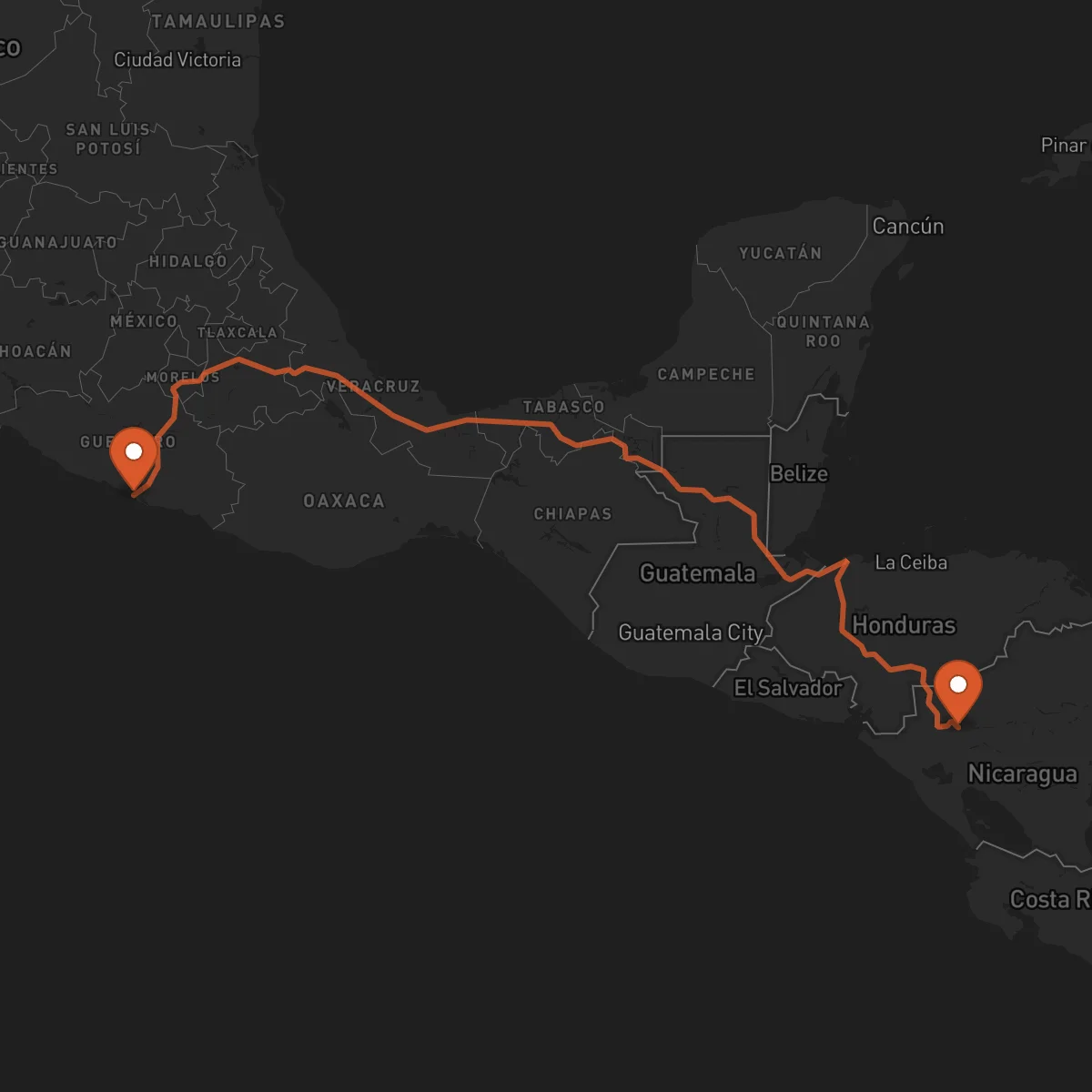
The logistics corridor connecting Jinotega, Nicaragua to Acapulco, Guerrero, México spans approximately 1,549 kilometers and represents a vital cross-border trade route linking Central America with Mexico's Pacific coast. This corridor traverses diverse terrain and crosses multiple international borders, making it a strategic pathway for regional commerce and supply chain operations. The route serves as a critical link between Nicaragua's agricultural heartland and Mexico's major port city, facilitating the movement of goods between these two important economic regions.
The corridor primarily follows the CA-1 highway through Nicaragua, transitioning to Mexican Federal Highway 200 upon crossing the border. This route connects through key border crossings including the Las Manos border with Honduras and subsequently the El Amatillo crossing with El Salvador before entering Guatemala. From there, the corridor continues through the Tecún Umán border crossing into Mexico, proceeding along Mexican Federal Highway 145D and connecting to Mexican Federal Highway 200 toward Acapulco. The infrastructure along this route includes modern toll roads and well-maintained highways, though some sections require careful navigation due to mountainous terrain.
Control Terrestre specializes in managing cross-border logistics operations along this corridor, providing comprehensive FTL transportation solutions that address the unique challenges of international freight movement. Our experienced team understands the complexities of border documentation, customs procedures, and regulatory compliance required for seamless cargo transit between Nicaragua and Mexico. We coordinate with trusted local partners at each border crossing to ensure efficient processing and minimize delays, while our dedicated fleet of specialized equipment is equipped to handle the diverse cargo types and challenging terrain encountered along this important trade route.
Services for this Route
Available services for the corridor Jinotega - Acapulco
 Origin
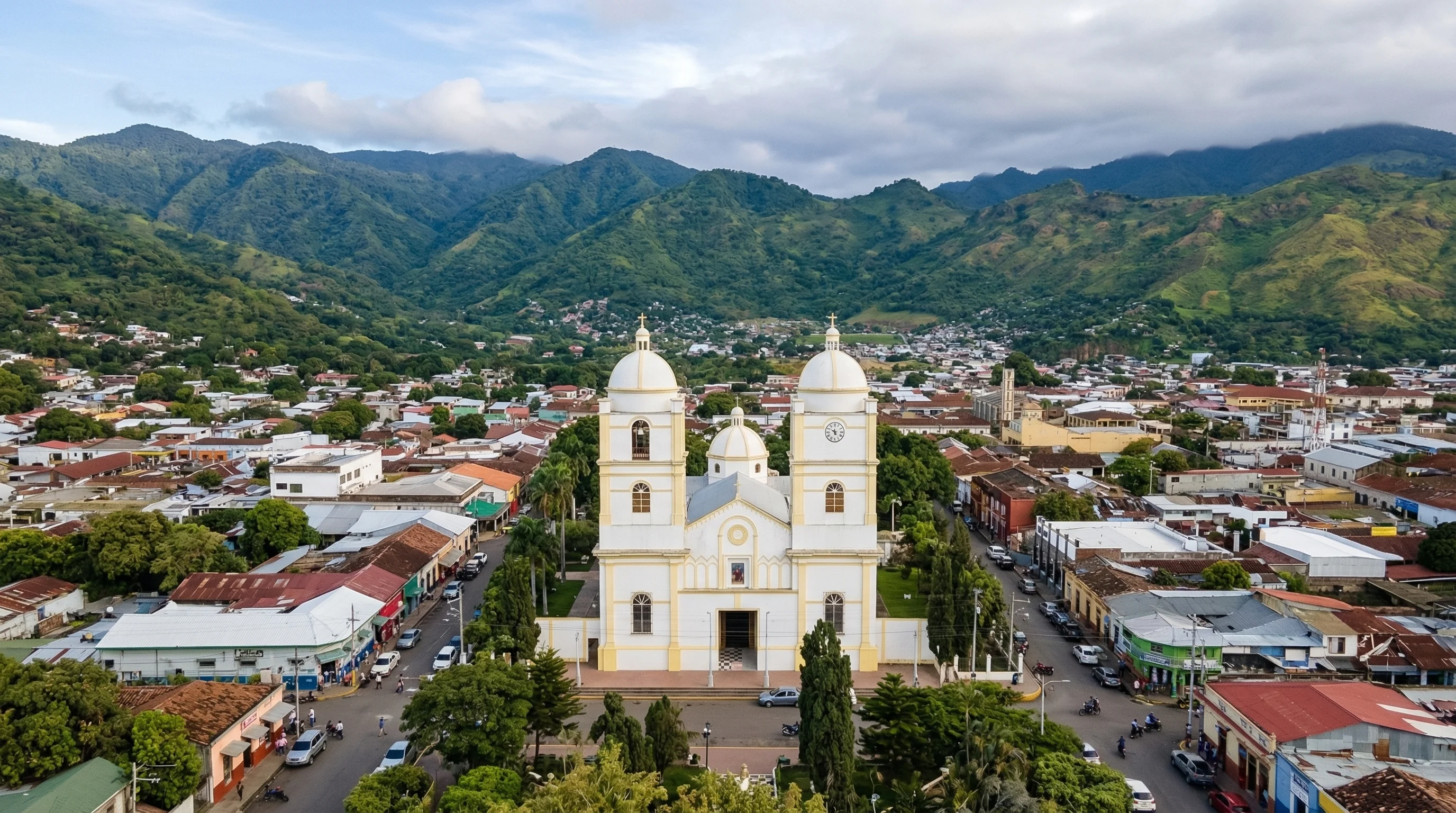
Jinotega, located in northern Nicaragua, serves as a strategic logistics hub for the region's agricultural production. Known as the "City of Mists," Jinotega is surrounded by mountains and coffee plantations, making it a key origin point for agricultural exports including coffee, beans, corn, and various horticultural products. The city's location provides access to major transportation routes connecting to the Pacific and Atlantic coasts of Nicaragua. Jinotega benefits from the Pan-American Highway (CA-1) which passes through the region, providing reliable ground transportation infrastructure. The area also has access to the Port of Corinto on Nicaragua's Pacific coast, approximately 200 kilometers away, offering maritime shipping options for international exports. Local transportation infrastructure includes well-maintained roads connecting Jinotega to Managua and other major cities, supporting efficient cargo movement to border crossings and onward to international destinations.
 Destination
Acapulco, located on Mexico's Pacific coast in Guerrero state, is a major port city and tourist destination that serves as an important logistics gateway. The city's strategic location provides access to the Port of Acapulco, one of Mexico's key Pacific ports, facilitating both domestic and international maritime trade. Acapulco's economy is diverse, with strong tourism, fishing, and agricultural sectors, along with growing industrial activities. The city is well-connected to Mexico's national highway network through Mexican Federal Highway 200 and Mexican Federal Highway 95D, providing efficient ground transportation links to major industrial centers like Mexico City, approximately 380 kilometers away. Acapulco's infrastructure includes modern port facilities, container terminals, and warehousing capabilities, supporting efficient cargo handling and distribution. The city's proximity to major manufacturing hubs in central Mexico makes it an important destination for cross-border freight movements, particularly for goods destined for the Mexican interior or for transshipment to other Pacific destinations.










