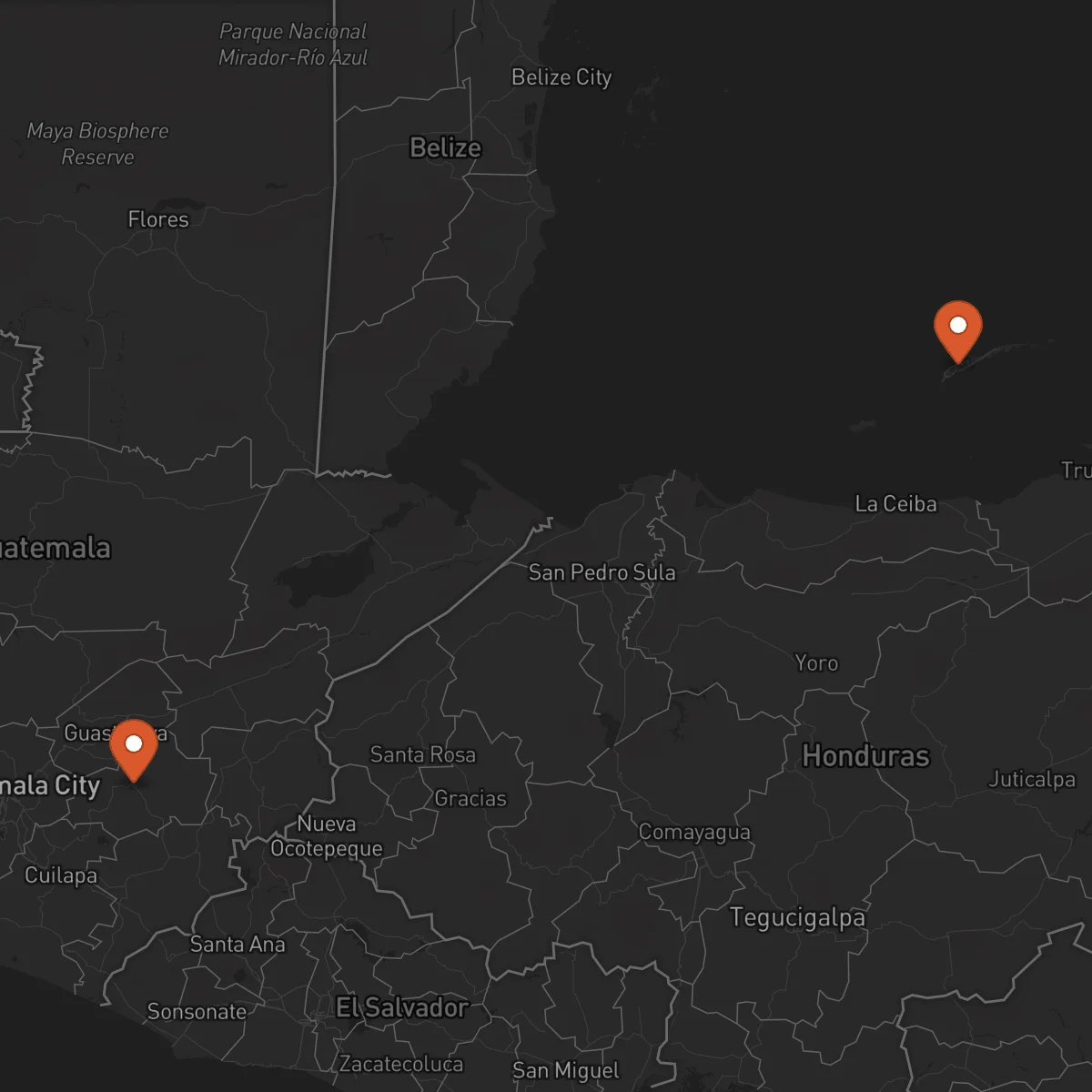
Jalapa to Roatán
Roatán → JalapaFTL freight transportation service between Jalapa and Roatán. Reliable logistics solutions for your business.
Route Description
Everything you need to know about the corridor Jalapa - Roatán
The logistics corridor connecting Jalapa, Jalapa, Guatemala, to Roatán, Islas de la Bahía, Honduras, represents a vital cross-border trade route spanning approximately 416 kilometers. This corridor serves as a crucial link facilitating the movement of goods between the highlands of Guatemala and the Caribbean coast of Honduras, enhancing regional connectivity and economic integration. Its strategic importance lies in providing a direct path for commerce, bypassing longer alternative routes within the region.
The economic context of this corridor is driven by the agricultural and light manufacturing sectors in Guatemala, alongside the growing tourism and service industries on the Honduran Caribbean coast. Key industries utilizing this corridor include agribusiness, textiles, and general merchandise distribution. The primary transportation infrastructure relies on the CA-9 highway in Guatemala and the RN-40 highway in Honduras, which connect major population centers. Border crossings require careful attention to customs procedures, making efficient coordination essential for seamless freight flow.
Control Terrestre facilitates operations on this corridor through our exclusive focus on Full Truckload (FTL) dedicated services, ensuring your cargo moves directly without consolidation. We leverage our network of certified providers, equipped with specialized vehicles such as dry vans, refrigerated units, and tankers, all compliant with security and environmental standards. Our expertise in cross-border freight allows us to manage the necessary documentation and transportation complexities, offering a reliable and professional solution for businesses requiring dedicated transport between these points.
Services for this Route
Available services for the corridor Jalapa - Roatán
 Origin
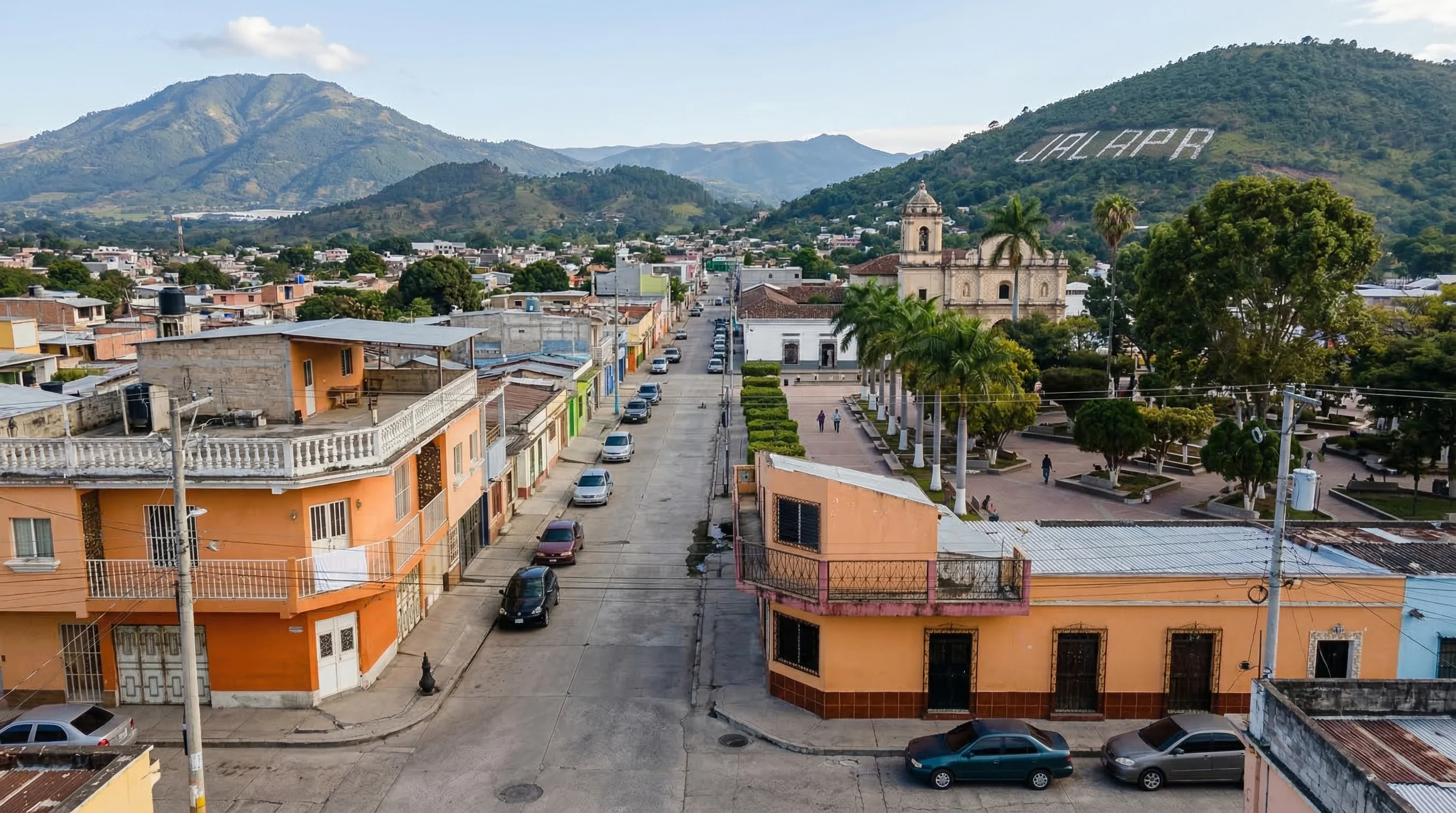
Jalapa, located in the department of Jalapa, Guatemala, holds significant strategic value as a starting point for regional logistics. Its position in the eastern highlands provides access to key agricultural zones and production centers, making it a hub for goods destined for international markets. The main industries here include agriculture, coffee production, and light manufacturing, which generate consistent freight volumes requiring efficient outbound logistics.
The transportation infrastructure in Jalapa is centered around domestic highway routes, notably the CA-9, which connects the city to the rest of the Guatemalan highlands and onward toward the Honduran border. This infrastructure supports the movement of full truckload cargo, including specialized loads if required. Control Terrestre utilizes this network to plan optimized routes, ensuring that shipments from Jalapa are integrated smoothly into the broader cross-border corridor, leveraging our providers' certifications for secure and responsible transport.
 Destination
Roatán
Roatán, part of the Islas de la Bahía department in Honduras, serves as a strategic destination within the Caribbean region, known for its tourism sector and growing commercial activities. Its island location makes it a focal point for industries such as tourism, hospitality, and light assembly, driving demand for reliable inbound logistics. The island's economy relies heavily on the efficient import of goods and materials to support its development.
The transportation infrastructure on Roatán is defined by its port facilities, which receive maritime cargo, complemented by local road networks for final distribution. While the primary access is via the RN-40 highway and port terminals, the challenge lies in the final mile from port to inland destinations. Control Terrestre addresses these needs through our FTL dedicated and specialized cargo services, ensuring that shipments are handled with care. We coordinate directly with local partners to manage the unique logistics of island delivery, maintaining our commitment to a professional and human-centric approach.










