
Jalapa to Miami
Miami → JalapaFTL freight transportation service between Jalapa and Miami. Reliable logistics solutions for your business.
Route Description
Everything you need to know about the corridor Jalapa - Miami
The logistics corridor between Jalapa, Guatemala and Miami, Florida represents a vital trade connection between Central America and the southeastern United States. This 1,604 km route facilitates the movement of diverse cargo types, from agricultural products and textiles to industrial goods and consumer products. The corridor serves as a strategic link for companies looking to expand their market presence between these two important economic regions.
The route traverses Guatemala's interior highlands before crossing into Mexico and continuing through the Gulf Coast states, ultimately reaching Florida's Atlantic coast. Key industries utilizing this corridor include agriculture (coffee, vegetables, and fruits from Guatemala), textiles and apparel manufacturing, electronics, and automotive parts. The growing trade relationship between Central America and the southeastern US has increased demand for reliable, full truckload transportation services along this path.
Transportation infrastructure includes Guatemala's CA-10 and CA-9 highways connecting Jalapa to the Mexican border, followed by Mexico's Federal Highway 180 and major US interstates including I-10 and I-95. The primary border crossing is at Ciudad Hidalgo/ Tecún Umán, with subsequent crossings at Brownsville, Laredo, or McAllen depending on the specific route chosen. Control Terrestre's expertise in cross-border operations ensures seamless customs clearance and documentation management, with our certified carriers handling all necessary permits and compliance requirements for this international journey.
Services for this Route
Available services for the corridor Jalapa - Miami
 Origin
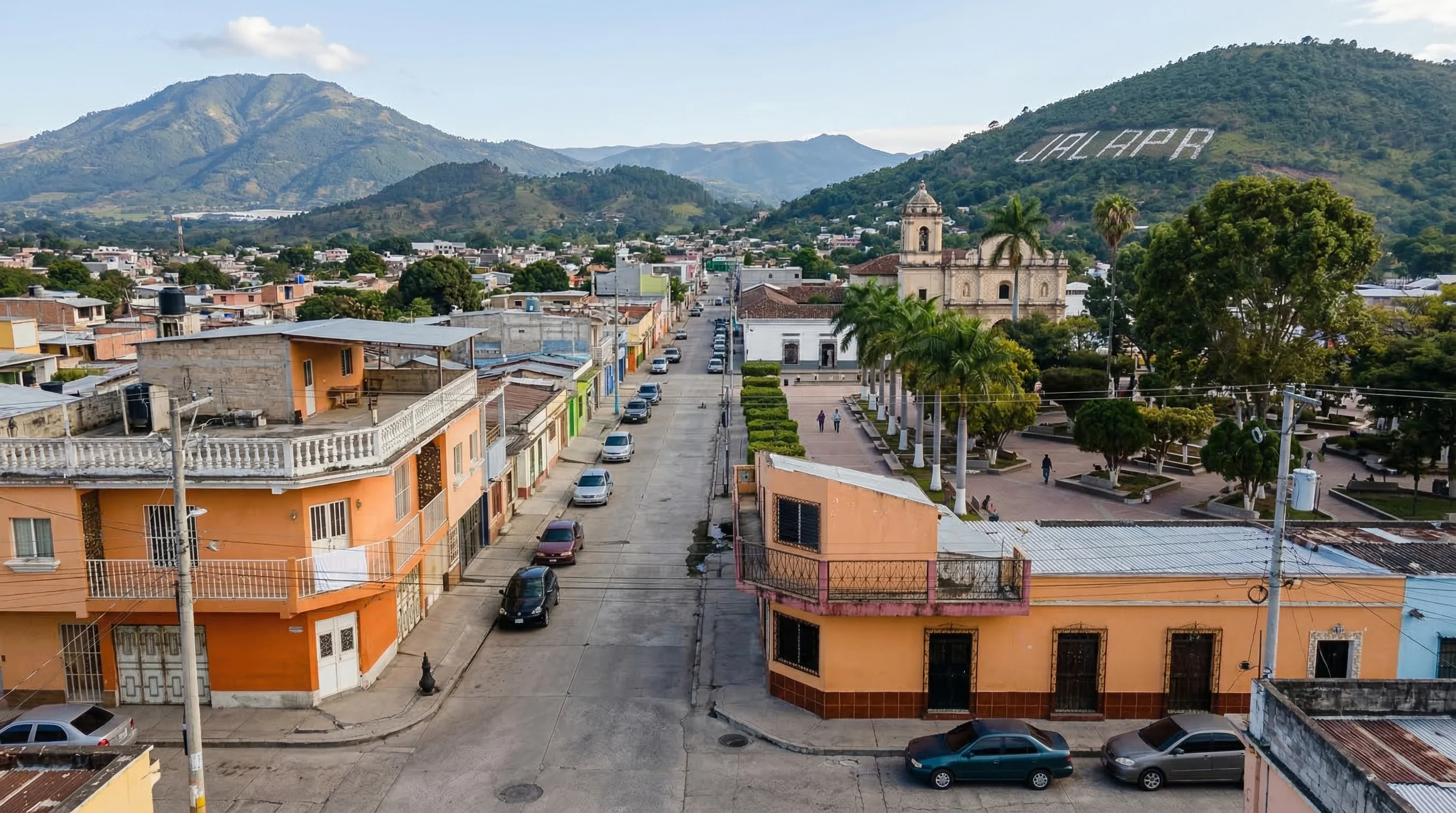
Jalapa, located in eastern Guatemala, serves as a strategic logistics hub for the country's agricultural and manufacturing sectors. The city and surrounding region are known for their coffee production, vegetable farming, and growing textile industry. Jalapa's elevation and climate make it ideal for certain agricultural products that require specific growing conditions. The area has developed industrial parks and manufacturing facilities that contribute to Guatemala's export economy. Transportation infrastructure includes connections to Guatemala City via the CA-10 highway and access to the Mexican border through secondary roads, making it a viable origin point for cross-border freight movements to North America.
 Destination
Miami
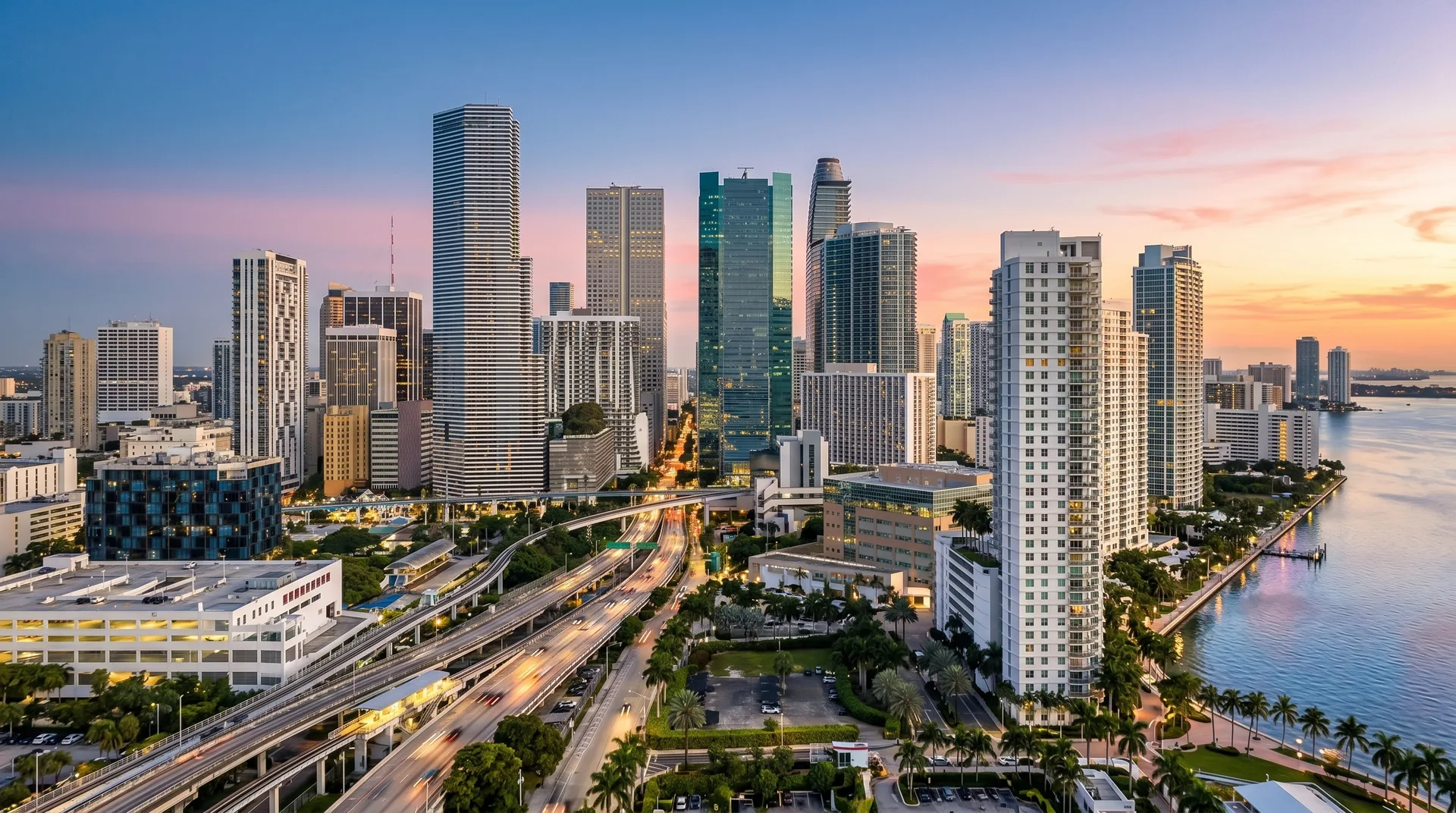
Miami, Florida stands as one of the most important logistics hubs in the southeastern United States, serving as a gateway between North America, Latin America, and the Caribbean. The city's strategic location on the Atlantic coast, combined with its extensive port facilities, international airport, and major highway connections, makes it ideal for distribution and warehousing operations. Miami's economy is diverse, with strong sectors in international trade, tourism, finance, and technology. The region hosts numerous multinational companies and serves as a distribution center for products destined throughout the southeastern US and beyond. The city's infrastructure includes PortMiami, Miami International Airport, and direct access to I-95 and Florida's Turnpike, providing excellent connectivity for incoming freight from Central America.










