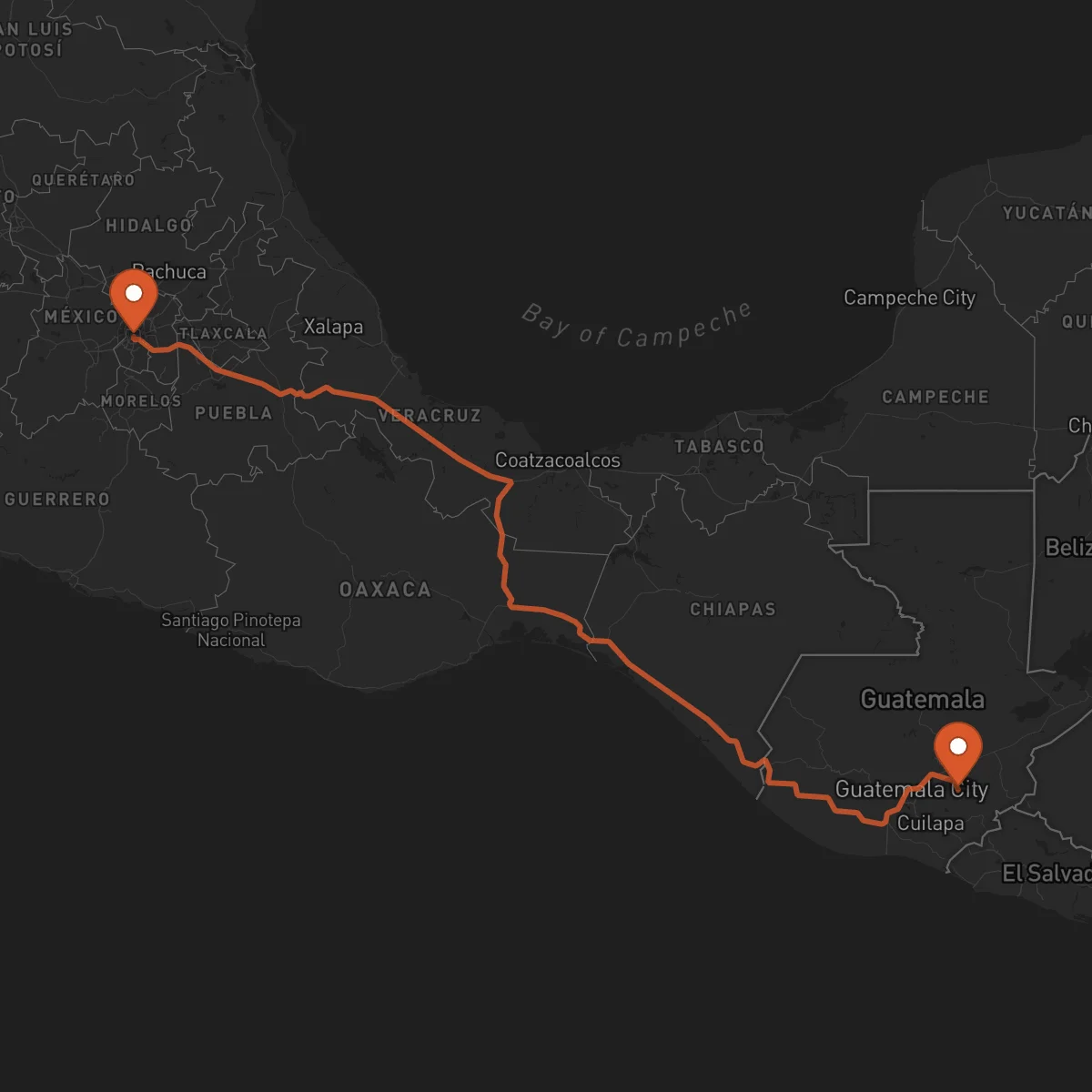
Jalapa to Mexico City
Mexico City → JalapaFTL freight transportation service between Jalapa and Mexico City. Reliable logistics solutions for your business.
Route Description
Everything you need to know about the corridor Jalapa - Mexico City
The Jalapa, Guatemala to Ciudad de México corridor is a vital cross-border artery connecting Central America's agricultural and industrial heartland with Mexico's primary economic and consumption center. This strategic route facilitates the flow of goods essential for both regional supply chains and national markets, underpinning trade between Guatemala and one of Latin America's largest urban economies. The corridor's importance is magnified by its role in moving time-sensitive and high-value freight where reliability and seamless border navigation are paramount.
Economically, the region is defined by complementary strengths. Guatemala's Jalapa department is a powerhouse for agricultural exports, including coffee, bananas, and sugar, alongside growing textile and light manufacturing sectors. Conversely, Ciudad de México represents a massive consumer market and a hub for advanced manufacturing, automotive, electronics, pharmaceuticals, and a vast service economy. This creates a robust, bidirectional trade dynamic: raw materials and agricultural products flow northward, while finished goods, machinery, and consumer products move southward.
Key industries leveraging this corridor include agribusiness, food and beverage production, textile and apparel manufacturers, retail distribution networks, and industrial component suppliers. The transportation infrastructure relies primarily on the CA-1 highway in Guatemala, which connects Jalapa to the border crossing at Tecún Umán. In Mexico, the route typically utilizes Federal Highway 190 and the high-speed 150D toll road network to provide an efficient link into the Valle de México. The principal border crossing is Tecún Umán (Guatemala) / Ciudad Hidalgo (Mexico), a bustling port of entry where customs procedures are critical.
Control Terrestre facilitates operations on this corridor through our exclusive focus on Full Truckload (FTL) solutions and our strategic alliance with providers certified in C-TPAT, FAST, and BASC. We manage the complexities of cross-border documentation, customs clearance, and transit coordination, offering dedicated, expedited, and specialized options for cargo like refrigerated goods or oversized equipment. Our model ensures a single point of contact for a seamless door-to-door experience, optimizing your supply chain across this 1,108 km strategic link.
Services for this Route
Available services for the corridor Jalapa - Mexico City
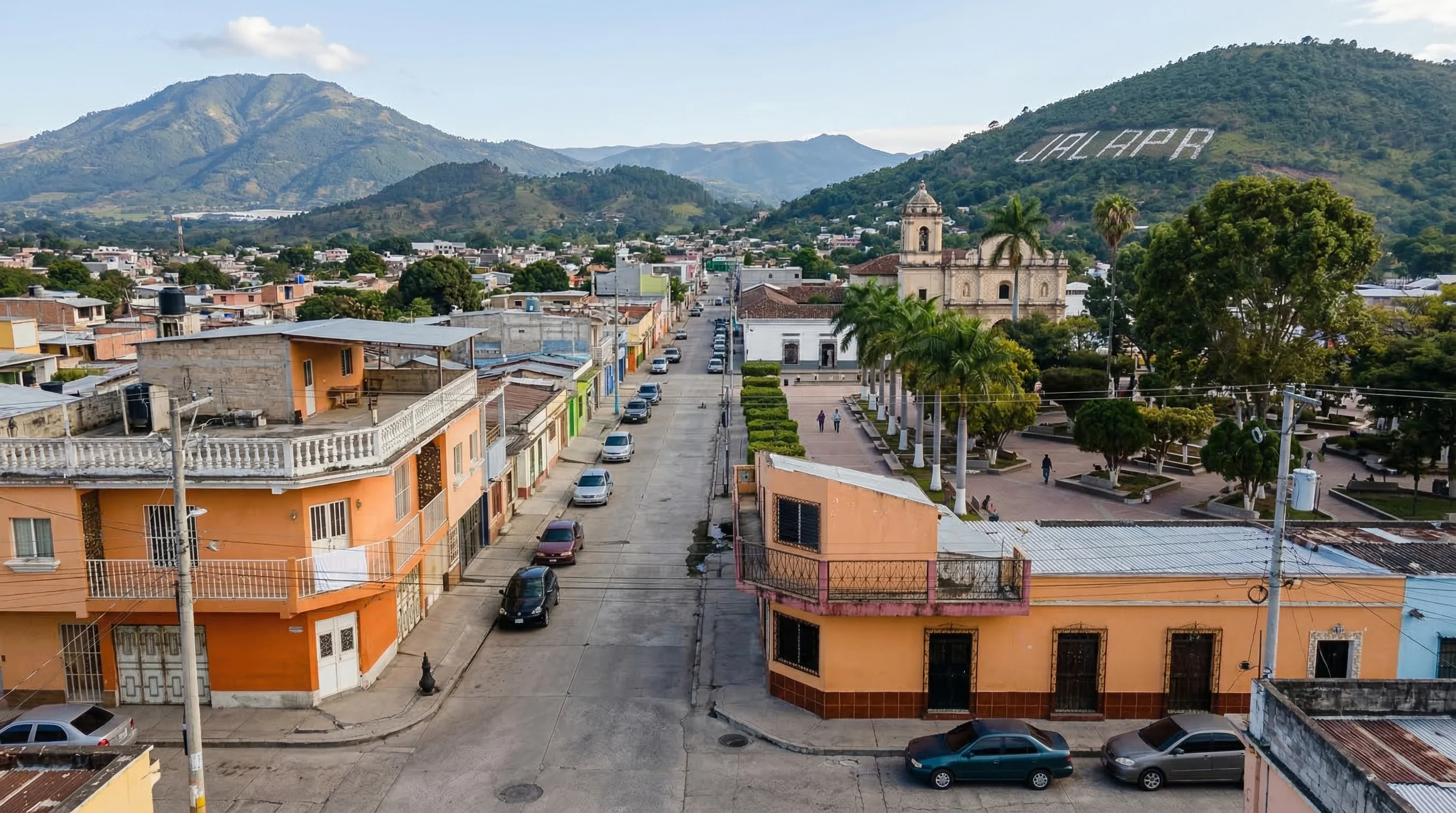 Origin
Jalapa, the capital city of the department of the same name, holds a strategically advantageous position in southeastern Guatemala. It serves as a key logistics hub for the country's eastern regions, offering direct access to the Pacific coast via the CA-1 highway, which connects to major ports like Puerto Quetzal. This location makes it an ideal origin point for export-focused freight destined for Mexico and beyond. The local economy is deeply rooted in agriculture, with Jalapa being a significant producer of coffee, bananas, and sugarcane. Additionally, the area supports a notable textile and apparel manufacturing sector, along with food processing industries, all of which generate consistent demand for reliable outbound freight transportation.
In terms of infrastructure, Jalapa is well-served by the CA-1 highway (Carretera al Pacífico), a major paved route that provides the primary north-south corridor to the Guatemalan-Mexican border. The city also has access to rail lines for intermodal options and is within a reasonable drive from the port facilities of Puerto Quetzal, facilitating multimodal connections for international sea freight. This combination of productive economic sectors and solid ground transportation links positions Jalapa as a critical origin for full truckload shipments moving north into Mexico.
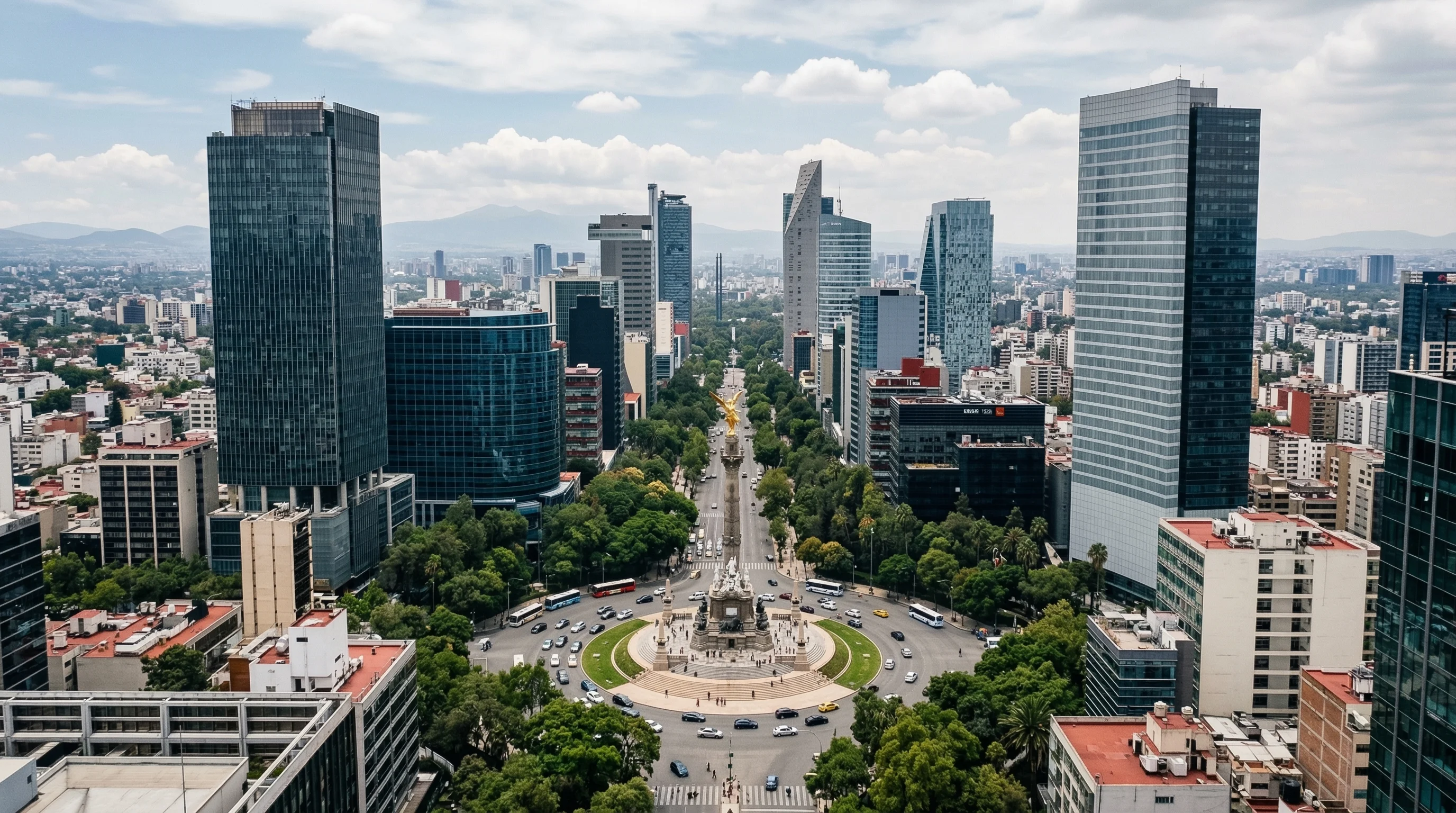 Destination
Mexico City
Ciudad de México, the capital of Mexico, is an unparalleled strategic destination and a colossal economic engine. As one of the world's largest metropolitan areas, it functions as the nation's primary market, distribution nucleus, and industrial center. Its economy is exceptionally diversified, dominated by massive service sectors (finance, corporate headquarters, government), but also hosting critical manufacturing industries including automotive, aerospace, electronics, pharmaceuticals, and a vast array of consumer goods production. This concentration of demand makes it the ultimate destination for countless supply chains serving the Mexican market.
The city's transportation infrastructure is highly developed and multifaceted. It is the hub of Mexico's federal highway network, with major arteries like the Mexico-Querétaro highway (57/57D) and the 150D providing direct, high-capacity connections from across the country and the northern border. It is also intersected by key rail lines and is served by two major international airports (AICM and AIFA), enabling seamless intermodal transfers. For freight forwarders, this means Ciudad de México offers numerous access points and distribution zones, though it requires sophisticated logistics planning to navigate urban congestion. For Control Terrestre's clients, it represents the high-value endpoint where efficient, reliable FTL delivery is crucial for inventory management and market responsiveness.










