
Jackson to Jalapa
Jalapa → JacksonFTL freight transportation service between Jackson and Jalapa. Reliable logistics solutions for your business.
Route Description
Everything you need to know about the corridor Jackson - Jalapa
The logistics corridor between Jackson, Mississippi and Jalapa, Guatemala represents a vital cross-border connection spanning approximately 1,964 kilometers through the heart of North America. This route links the industrial and agricultural powerhouse of the U.S. Southeast with the growing economic center of eastern Guatemala, facilitating trade between two dynamic markets. The corridor traverses diverse terrain and crosses multiple international borders, requiring specialized expertise in cross-border logistics operations.
The economic significance of this corridor is substantial, connecting major agricultural production areas in Mississippi with manufacturing and agricultural regions in Guatemala. Jackson serves as a strategic logistics hub for the southeastern United States, while Jalapa represents an important commercial center in Guatemala's eastern region, with strong ties to both domestic markets and international trade. The route supports the movement of agricultural products, manufactured goods, and industrial supplies between these regions.
Key transportation infrastructure along this corridor includes major U.S. interstate highways connecting Jackson to southern border crossings, followed by Mexican federal highways through the southern states, and finally Guatemalan roads leading to Jalapa. The route typically involves crossing at major U.S.-Mexico border points before continuing south through Mexico and into Guatemala. Control Terrestre's expertise in managing these complex cross-border operations ensures seamless transit through multiple customs jurisdictions, with our certified providers handling all necessary documentation and compliance requirements.
This corridor is particularly valuable for companies engaged in agricultural trade, manufacturing supply chains, and industrial equipment movement between the southeastern United States and Central America. Our full truckload (FTL) services provide dedicated transportation solutions that maintain cargo integrity throughout the entire journey, with real-time tracking and dedicated support teams managing each shipment from origin to destination.
Services for this Route
Available services for the corridor Jackson - Jalapa
 Origin
Jackson
Jackson, Mississippi serves as a strategic logistics hub in the southeastern United States, offering excellent connectivity to major transportation networks. The city's location provides direct access to interstate highways connecting to the Gulf Coast ports and major distribution centers throughout the region. Jackson's industrial base includes food processing, automotive parts manufacturing, and agricultural equipment production, creating consistent freight movement requirements. The metropolitan area benefits from multiple transportation options including rail connections, interstate trucking routes, and proximity to major air cargo facilities. The region's strong agricultural sector, particularly in poultry, soybeans, and cotton production, generates substantial freight volumes requiring reliable transportation to both domestic and international markets.
 Destination
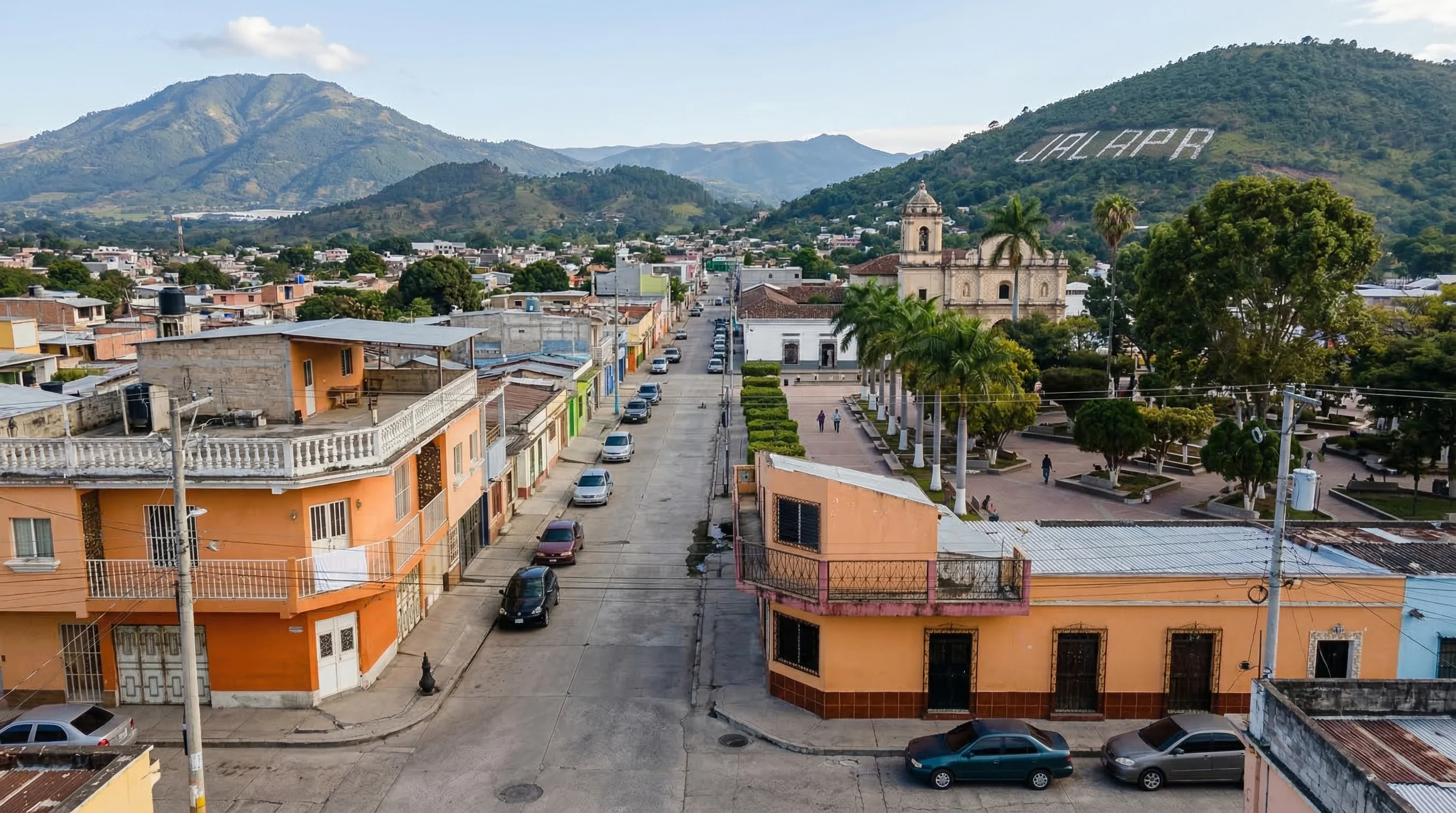
Jalapa, located in eastern Guatemala, represents a strategic commercial center with growing importance in regional trade. The city serves as a gateway to Guatemala's eastern agricultural regions and maintains strong commercial ties with neighboring El Salvador. Jalapa's economy is characterized by agricultural production, food processing, and emerging manufacturing activities. The region's infrastructure includes road connections to Guatemala City and the Pacific coast, facilitating both domestic distribution and international trade. The city's location near the Honduran border makes it a key point for cross-border commerce within Central America. Local industries benefit from reliable transportation connections to U.S. markets, particularly for agricultural products, processed foods, and manufactured goods.










