
Heredia to Tulsa
Tulsa → HerediaFTL freight transportation service between Heredia and Tulsa. Reliable logistics solutions for your business.
Route Description
Everything you need to know about the corridor Heredia - Tulsa
The Heredia-Tulsa logistics corridor connects Costa Rica's industrial heart with the strategic logistics hub of Oklahoma. This 3145 km cross-border route traverses Mexico's Pacific corridor, offering a vital link for companies seeking to connect Central America with the United States' central region. The corridor leverages Mexico's modern highway infrastructure, including the Arco Norte and major toll roads that provide efficient transit between the two nations.
The route's strategic importance stems from Heredia's position as a manufacturing and technology center in Costa Rica, while Tulsa serves as a critical distribution point for the Midwest United States. Companies utilizing this corridor benefit from Tulsa's extensive rail connections, proximity to major markets, and Oklahoma's business-friendly environment. The corridor particularly serves industries requiring temperature-controlled transport, specialized equipment, and time-sensitive deliveries.
Key industries served include automotive components, electronics, medical devices, and agricultural products. The corridor accommodates both full truckload (FTL) and specialized freight, with particular attention to cross-border compliance and documentation. Control Terrestre facilitates seamless operations through our C-TPAT certified network, ensuring efficient customs clearance and reliable transit times. Our strategic partnerships with experienced carriers along the route provide the expertise needed to navigate the complexities of cross-border transportation between Costa Rica, Mexico, and the United States.
Services for this Route
Available services for the corridor Heredia - Tulsa
 Origin
Heredia
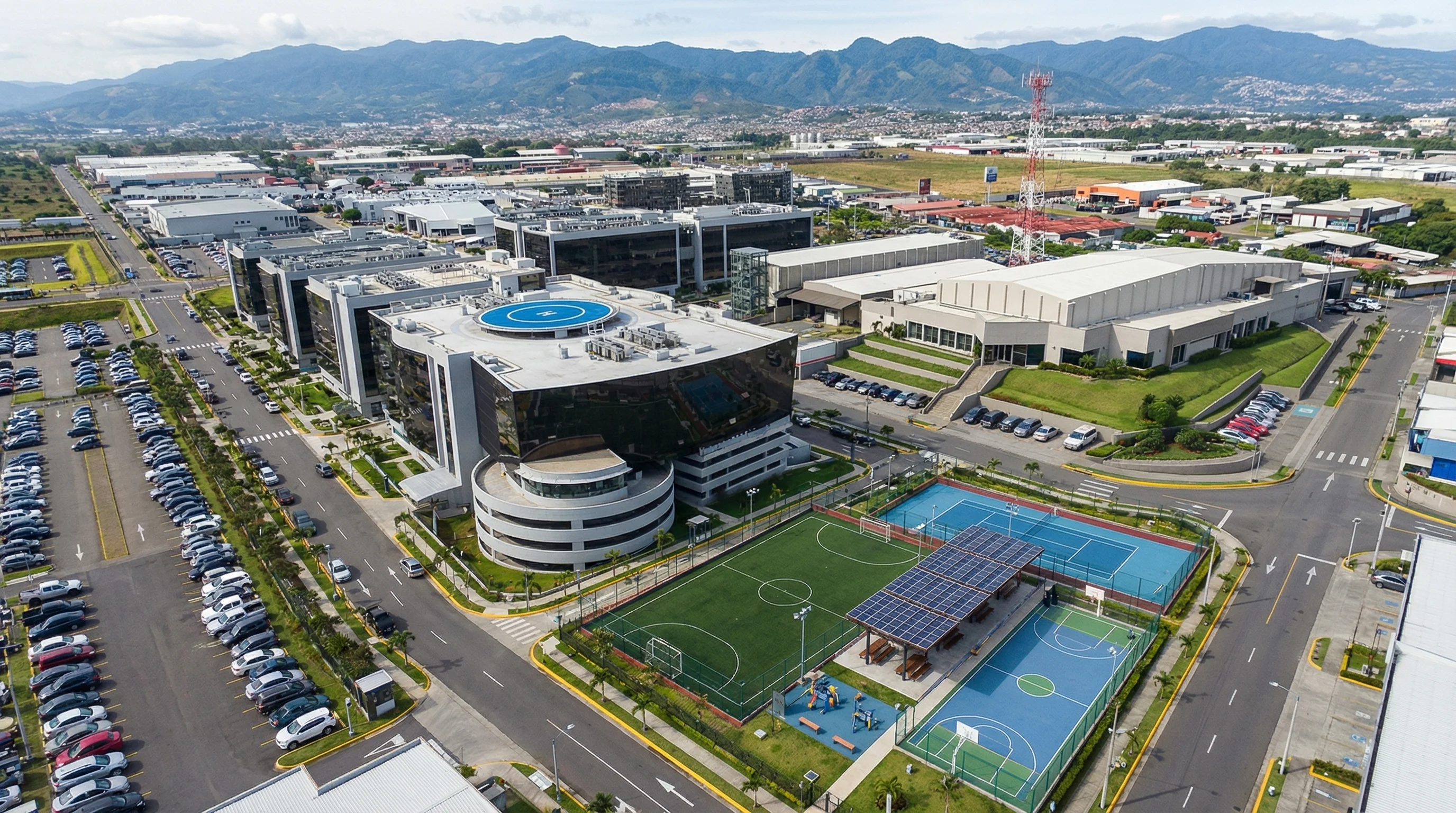
Heredia, located in Costa Rica's Central Valley, serves as a strategic logistics hub for the country's industrial and technology sectors. Known as the 'City of Flowers,' Heredia has evolved into a major center for electronics manufacturing, medical device production, and software development. The region benefits from Costa Rica's political stability, educated workforce, and strong trade relationships with North American markets. Heredia's proximity to Juan Santamaría International Airport and the Port of Limón provides multimodal transportation options for exporters.
The area's transportation infrastructure includes modern highways connecting to San José and the Caribbean coast, facilitating efficient movement of goods. Heredia's industrial parks offer state-of-the-art facilities with integrated logistics services, making it an attractive location for companies seeking to establish regional distribution centers. The city's strategic position within Costa Rica's logistics network, combined with its skilled labor pool, makes it an ideal origin point for cross-border freight movements to the United States.
 Destination
Tulsa
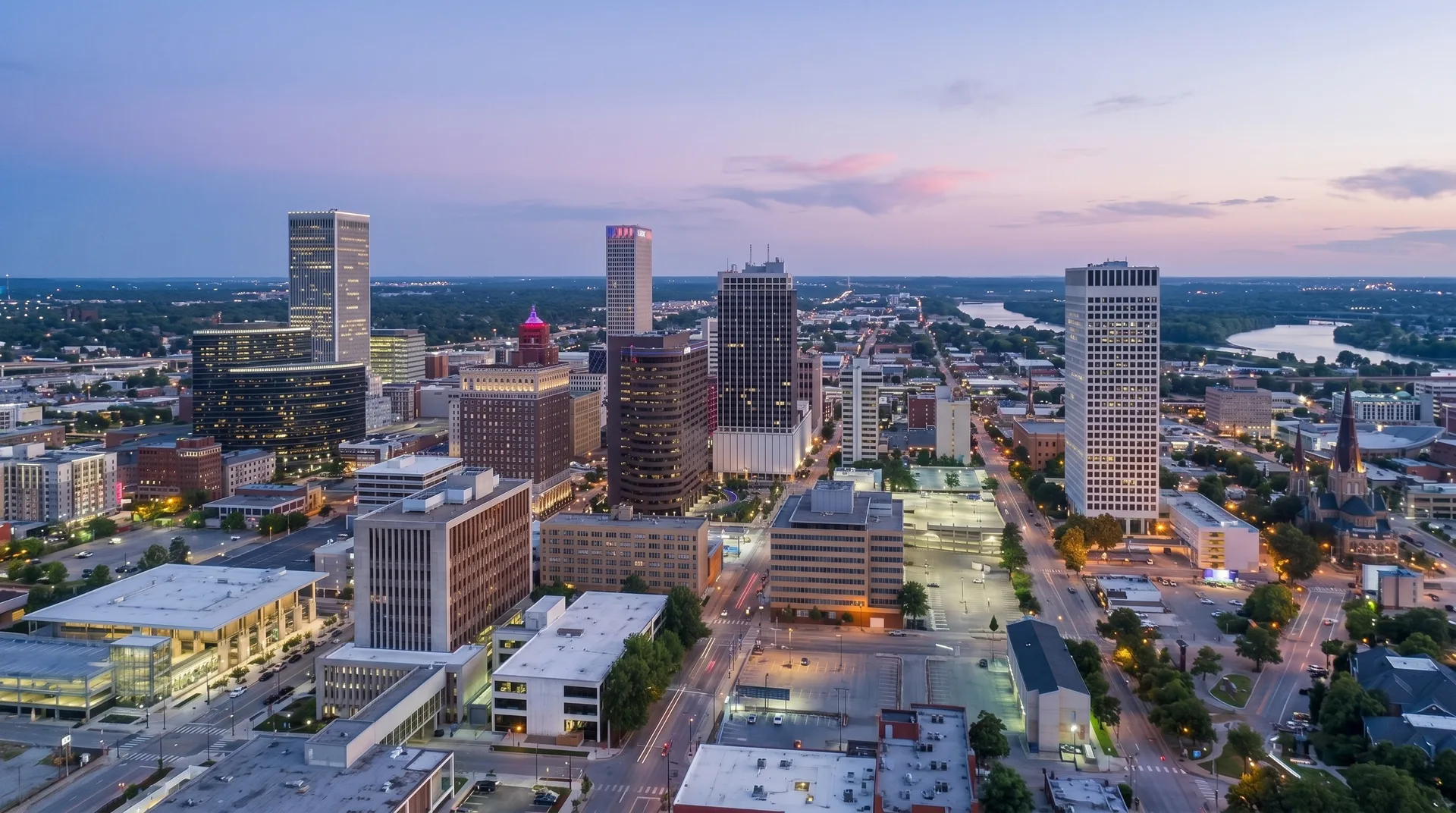
Tulsa, Oklahoma stands as a premier logistics and distribution center in the United States' central region. The city's strategic location at the crossroads of major interstate highways (I-44, I-35, I-40) provides unparalleled access to national markets. Tulsa's logistics infrastructure includes the Tulsa Port of Catoosa, the most inland river port in the United States, offering connections to the Mississippi River and Gulf Coast via the McClellan-Kerr Arkansas River Navigation System. The city also boasts multiple rail terminals and is within a day's drive of major metropolitan areas.
The Tulsa metropolitan area hosts a diverse industrial base, including aerospace, energy, manufacturing, and logistics services. The region's pro-business environment, combined with Oklahoma's central geographic position, makes it an ideal destination for companies seeking efficient distribution to the entire United States. Tulsa's relatively low operating costs and skilled workforce further enhance its appeal as a logistics hub. The city's ongoing investments in transportation infrastructure and logistics technology continue to strengthen its position as a critical node in North America's supply chain network.










