Heredia to Torreón
Torreón → HerediaFTL freight transportation service between Heredia and Torreón. Reliable logistics solutions for your business.
Route Description
Everything you need to know about the corridor Heredia - Torreón
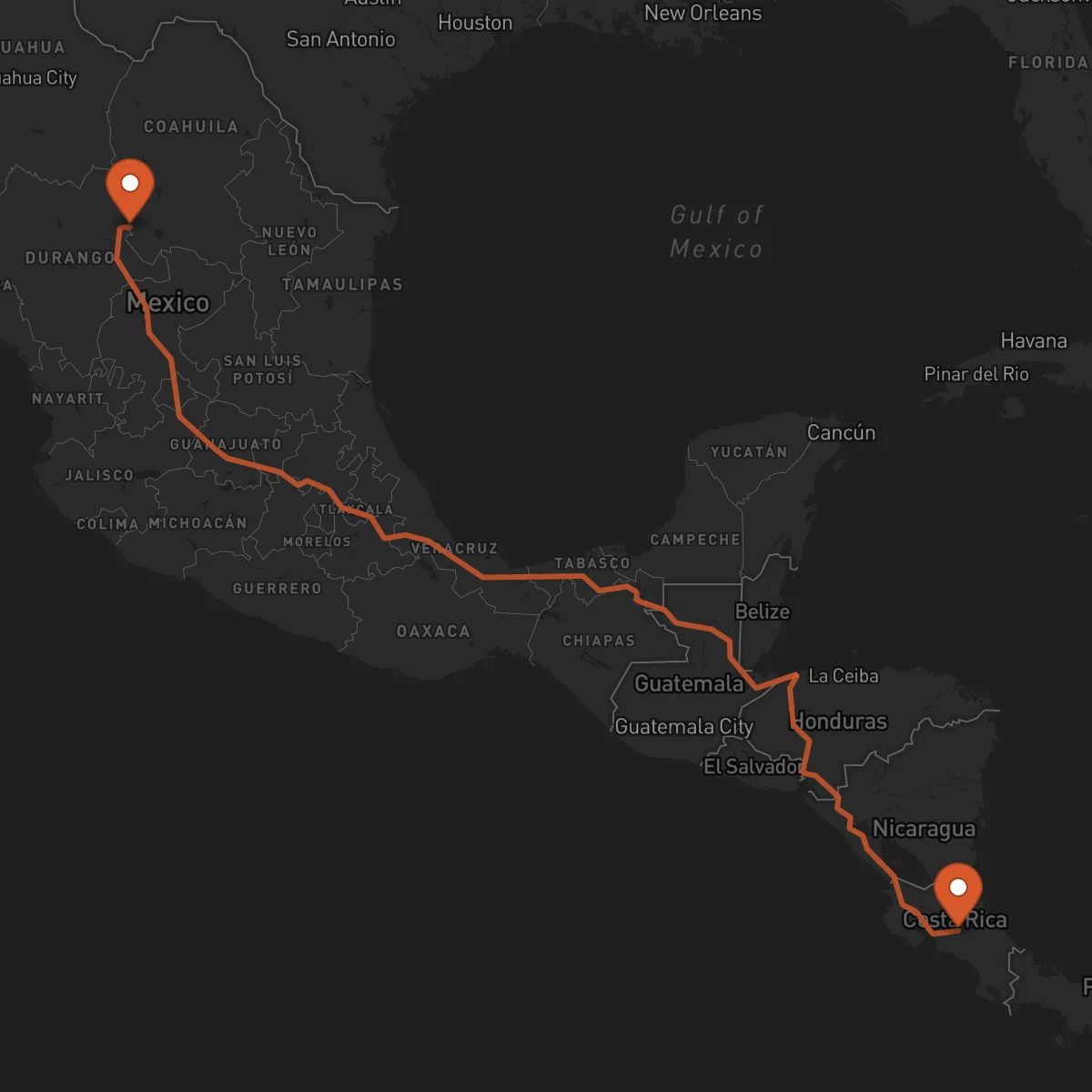
The logistics corridor connecting Heredia, Costa Rica, to Torreón, Coahuila, Mexico represents a vital north-south artery for trade across Central America and into the heart of Mexico. Spanning approximately 2,669 kilometers, this route traverses multiple national borders, serving as a critical economic bridge that facilitates the movement of goods between the dynamic manufacturing sectors of Costa Rica and the heavy industrial base of Northern Mexico. Its strategic importance lies in its ability to link the agricultural and high-tech production zones of Central America with the automotive, steel, and consumer goods manufacturing hubs of the Mexican plateau, creating a seamless flow for regional supply chains. Control Terrestre leverages our robust alliance of transportation providers to offer dedicated Full Truckload (FTL) solutions tailored for this complex cross-border corridor, ensuring reliability for our clients' most critical shipments.
Economically, this corridor supports a diverse range of industries. From Heredia, goods such as high-value electronics, medical devices, pharmaceuticals, and premium agricultural products like coffee begin their journey. As the freight moves north through Nicaragua, Honduras, and Guatemala, it integrates with regional production. Upon entering Mexico, the corridor feeds directly into the industrial powerhouse of the Laguna region, where Torreón is a key node. The primary industries utilizing this route include automotive parts suppliers, steel and metal fabricators, appliance manufacturers, and agribusinesses moving bulk commodities and processed foods. The consistent demand for dedicated capacity from these sectors underscores the corridor's role in sustaining continental manufacturing networks.
The transportation infrastructure relies on a network of major highways, most notably the Pan-American Highway (CA-1 in Central America, Fed-40/45 in Mexico), which forms the backbone of this route. Key border crossings, such as the Guatemala-Mexico border at Talisman/ Ciudad Hidalgo and the Nicaragua-Honduras border at El Ceibo/Las Manos, are pivotal transit points. Navigating these crossings requires expertise in customs documentation, compliance with varying national regulations, and coordination with authorities. Control Terrestre’s providers hold essential certifications like C-TPAT, FAST, and BASC, which streamline processes at the US-Mexico border and are highly valued for efficient cross-border management throughout the corridor. We handle the intricate logistics of multi-jurisdictional transit, from door pickup in Heredia to final delivery in Torreón, managing customs brokerage support and ensuring adherence to all regional requirements.
Our approach to facilitating operations on this corridor is centered on our exclusive focus on FTL services. We provide access to a full spectrum of equipment, including 53' dry vans, refrigerated units for perishable goods, and specialized options like flatbeds for oversized industrial components common in the Torreón market. By operating through a vetted network of carriers with proven experience on this specific route, we offer our clients the consistency of dedicated capacity and the flexibility of spot market solutions when needed. Our commitment to being a human and green partner means we prioritize clear communication, proactive problem-solving for border delays, and sustainable transport options where available, optimizing your supply chain's resilience and environmental footprint from Costa Rica to Northern Mexico.
Services for this Route
Available services for the corridor Heredia - Torreón
 Origin
Heredia
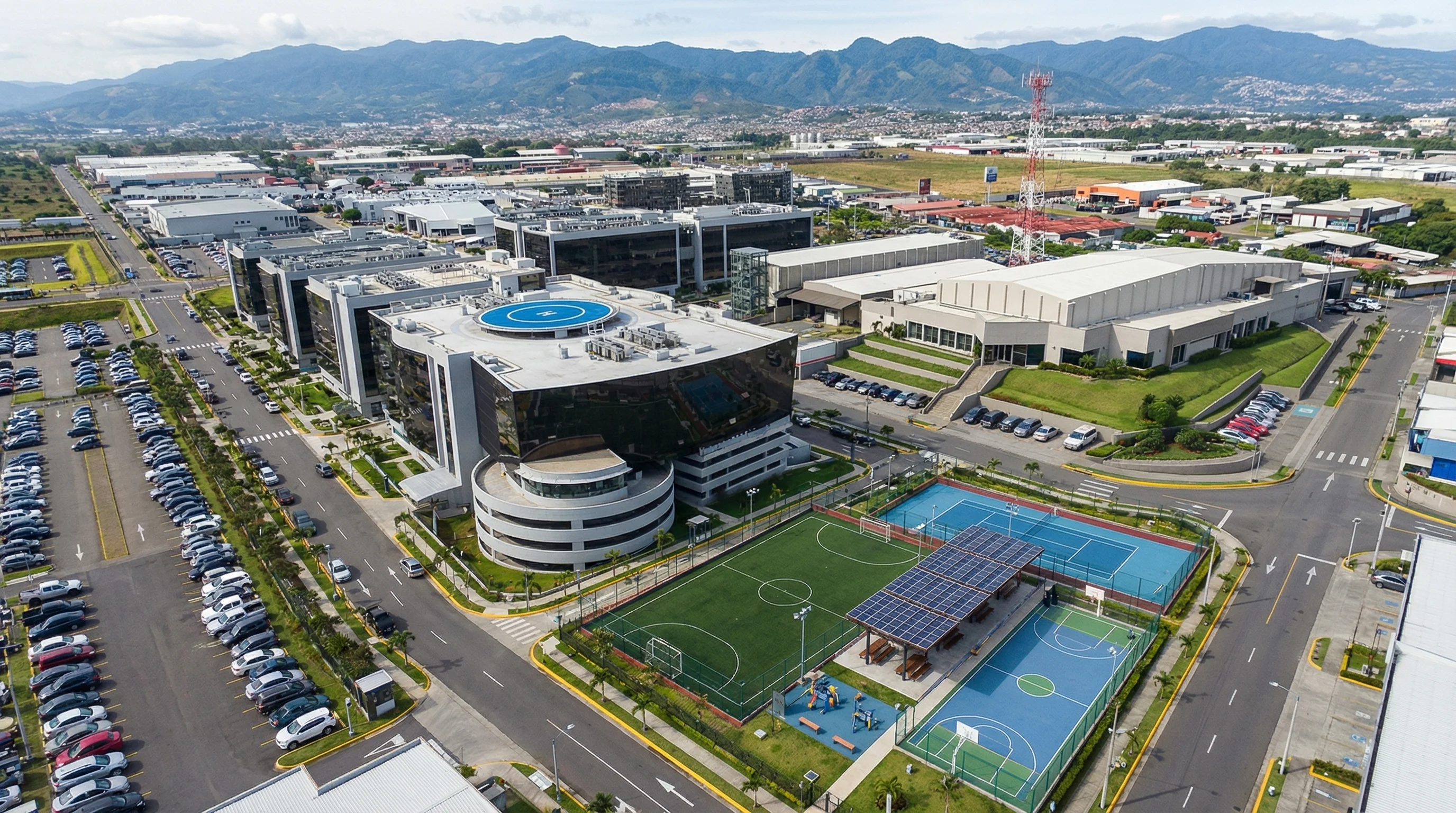
Heredia, Costa Rica, serves as a strategic logistics origin point due to its central location within the country's primary industrial and agricultural valley. It is a key economic hub for the Central Valley, benefiting from excellent connectivity to the main port of Limón on the Caribbean coast via Route 32, and to the Pan-American Highway (CA-1) that leads north. This infrastructure provides efficient access to the broader Central American corridor. The province's economy is robust and diversified, dominated by high-value manufacturing—particularly in electronics, medical devices, and pharmaceuticals—alongside traditional strength in coffee production and other premium agricultural exports. These sectors generate consistent, time-sensitive freight that requires reliable, long-haul transportation to international markets. The available transportation infrastructure includes well-maintained national highways connecting to the CA-1, supported by a network of logistics parks and warehouse facilities around Heredia that cater to export-focused businesses, making it an ideal launchpad for cross-border freight moving into Nicaragua and beyond.
 Destination
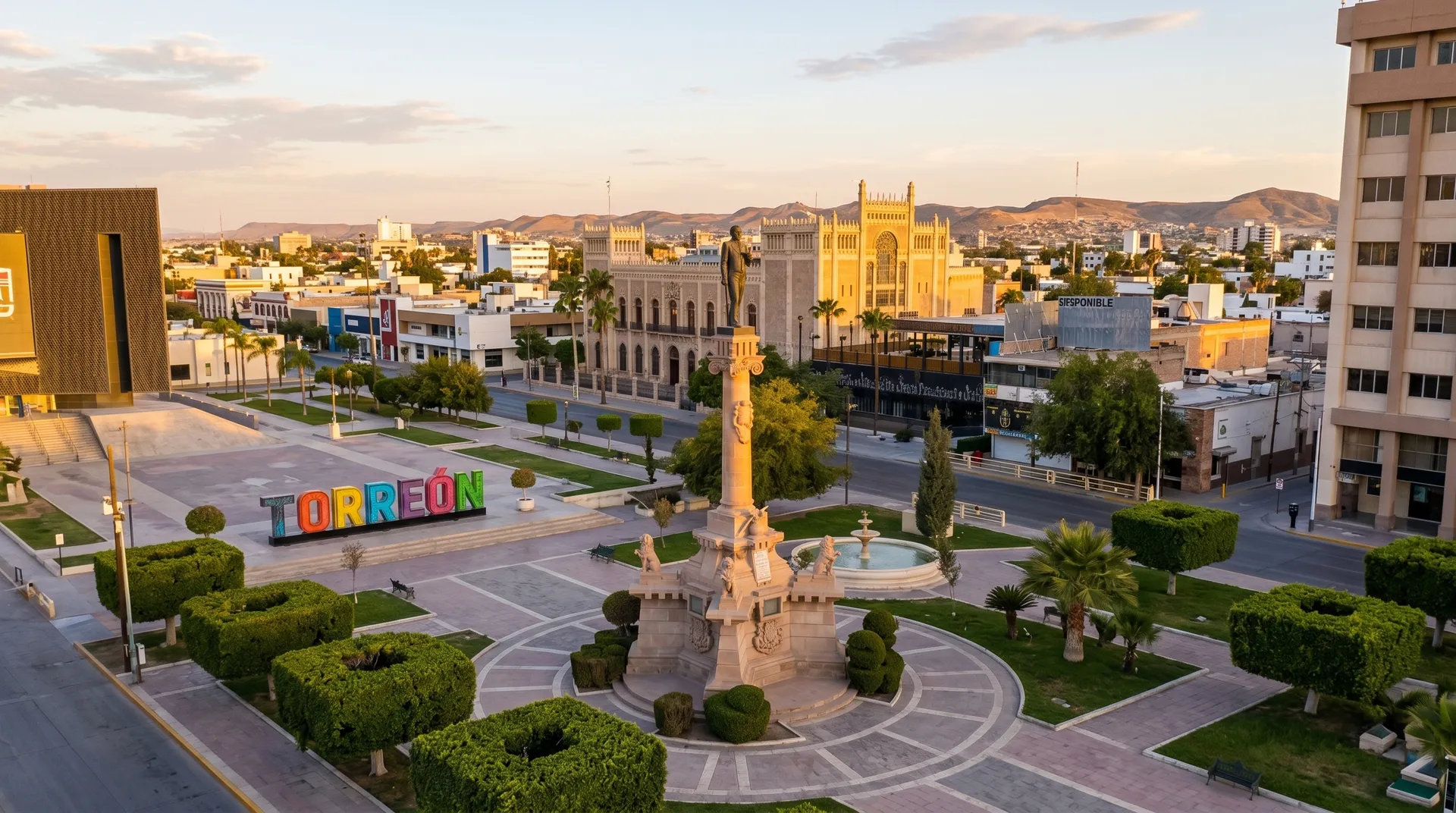
Torreón, located in the state of Coahuila within the Laguna region, is a major industrial and logistics destination in Northern Mexico. Its strategic location is defined by its position at the intersection of major Mexican federal highways, including Fed-40 and Fed-45, which provide direct connections to the US border (via Monterrey and Nuevo Laredo/El Paso) and deep into the interior of Mexico. This makes it a pivotal node for both domestic distribution and international trade. The region's economy is heavily industrialized, with Torreón being a historic center for steel production, metal mechanics, and automotive manufacturing. Key industries also include appliance manufacturing, food processing, and warehousing/distribution centers serving the northern Mexican market. The transportation infrastructure is comprehensive, featuring not only an extensive highway network but also rail connections (Ferromex) and proximity to the Monclova International Airport for air cargo complementarity. This mature infrastructure supports high-volume FTL movements of raw materials inbound and finished goods outbound, creating steady demand for dedicated freight services.










