Heredia to La Palma
La Palma → HerediaFTL freight transportation service between Heredia and La Palma. Reliable logistics solutions for your business.
Route Description
Everything you need to know about the corridor Heredia - La Palma
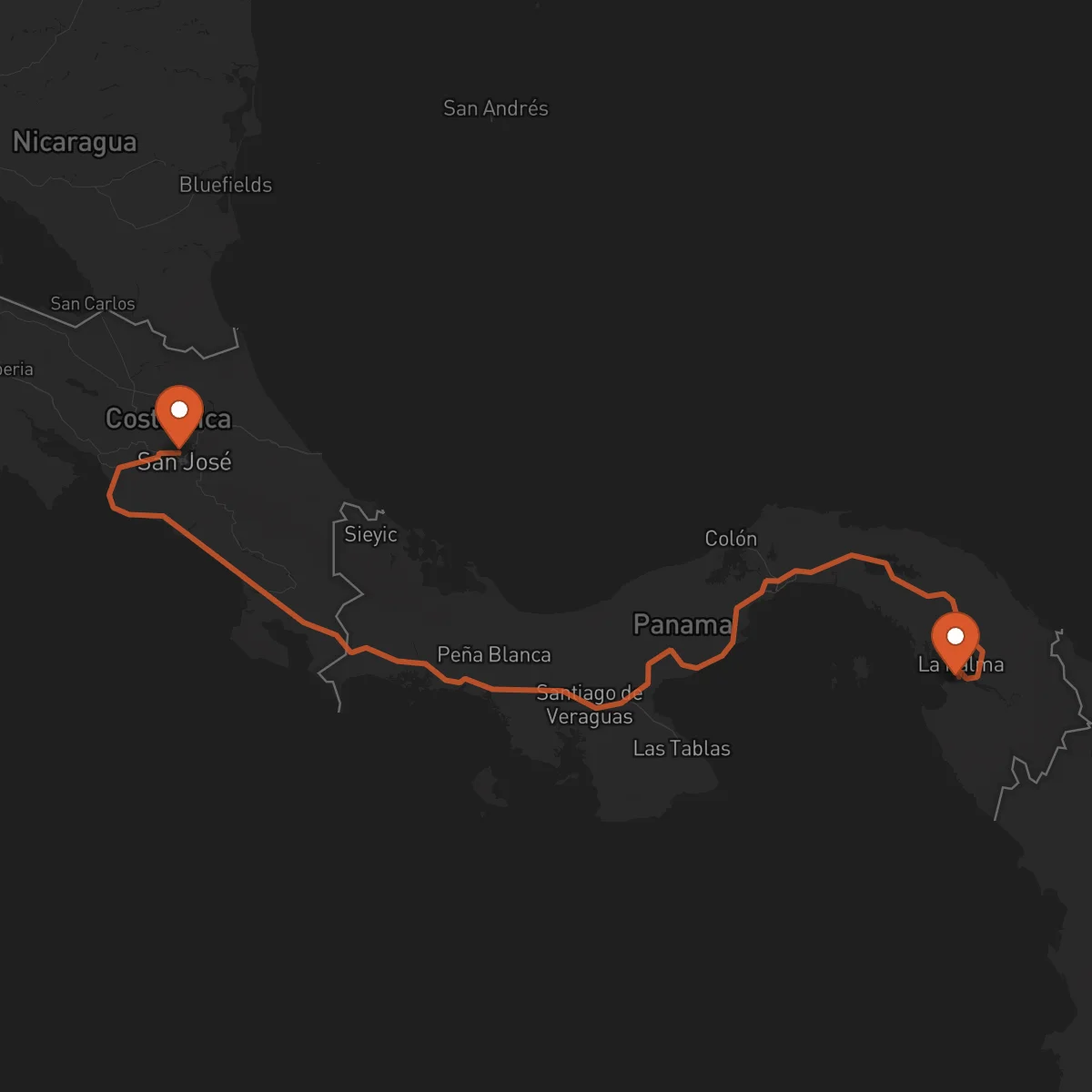
This cross-border corridor connects Heredia, Costa Rica, to La Palma in Darién, Panamá, spanning approximately 679 km of strategic Central American territory. It serves as a vital link facilitating the seamless movement of full truckload cargo between Central America’s key economies, enhancing regional trade integration. The corridor traverses areas with growing industrial and commercial activity, supporting sectors that require reliable FTL transportation for time-sensitive and specialized goods.
The primary transportation infrastructure includes established national highways that connect major population and industrial centers. Key border crossings along this route require careful attention to customs procedures, where Control Terrestre’s expertise ensures compliance and smooth transitions. We manage the complexities of international freight documentation and coordinate with certified providers who hold necessary accreditations, allowing us to handle specialized cargo and hazmat requirements inherent to this trade lane.
Control Terrestre facilitates operations on this corridor by leveraging our network of experienced providers and our exclusive focus on FTL services. Our commitment to clean and responsible transportation aligns with the environmental considerations of the region. We utilize appropriate equipment, such as dry vans and refrigerated units, to ensure your cargo is transported efficiently and securely across this important cross-border link, managing the specific requirements of each shipment.
Services for this Route
Available services for the corridor Heredia - La Palma
 Origin
Heredia
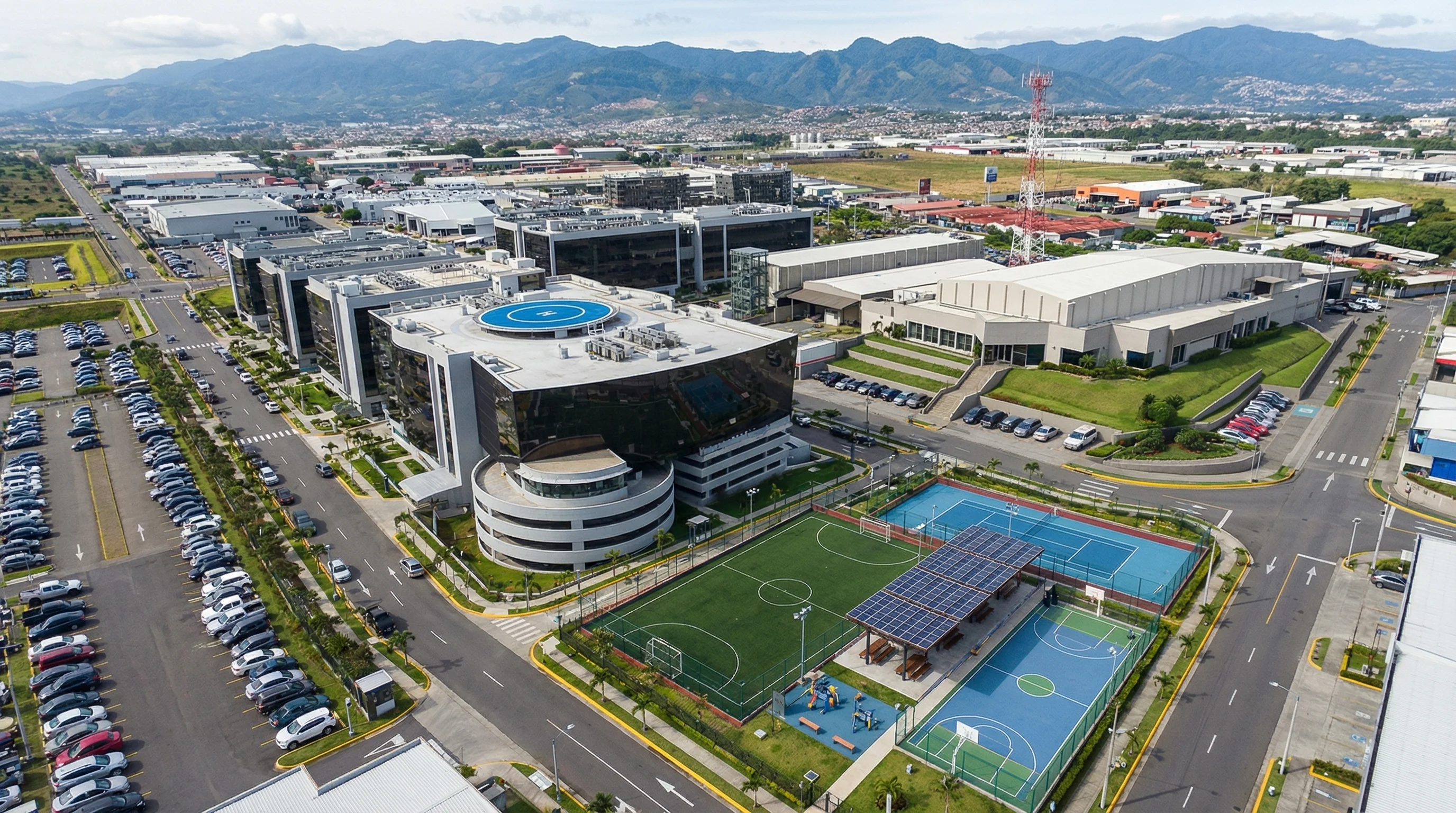
Heredia serves as a strategic logistics hub within Costa Rica’s Central Valley, offering excellent connectivity to the country’s primary ports and international borders. The city is a center for manufacturing, services, and agricultural commerce, driving consistent demand for robust freight transportation. The region is supported by a network of paved national highways, providing reliable ground access for vehicles ranging from dry vans to specialized equipment. This infrastructure allows Control Terrestre to efficiently consolidate and dispatch full truckload shipments, ensuring that cargo benefits from a well-developed logistical foundation and versatile transport options.
The availability of specialized carriers ensures that diverse cargo needs, including refrigerated and oversized loads, are met with professionalism. Heredia’s proximity to San José and its industrial zones makes it an ideal origin point for businesses looking to optimize their supply chains. Control Terrestre operates with local expertise, navigating the area’s transport dynamics to provide reliable and flexible solutions for companies requiring dedicated FTL services in this vital economic region.
 Destination
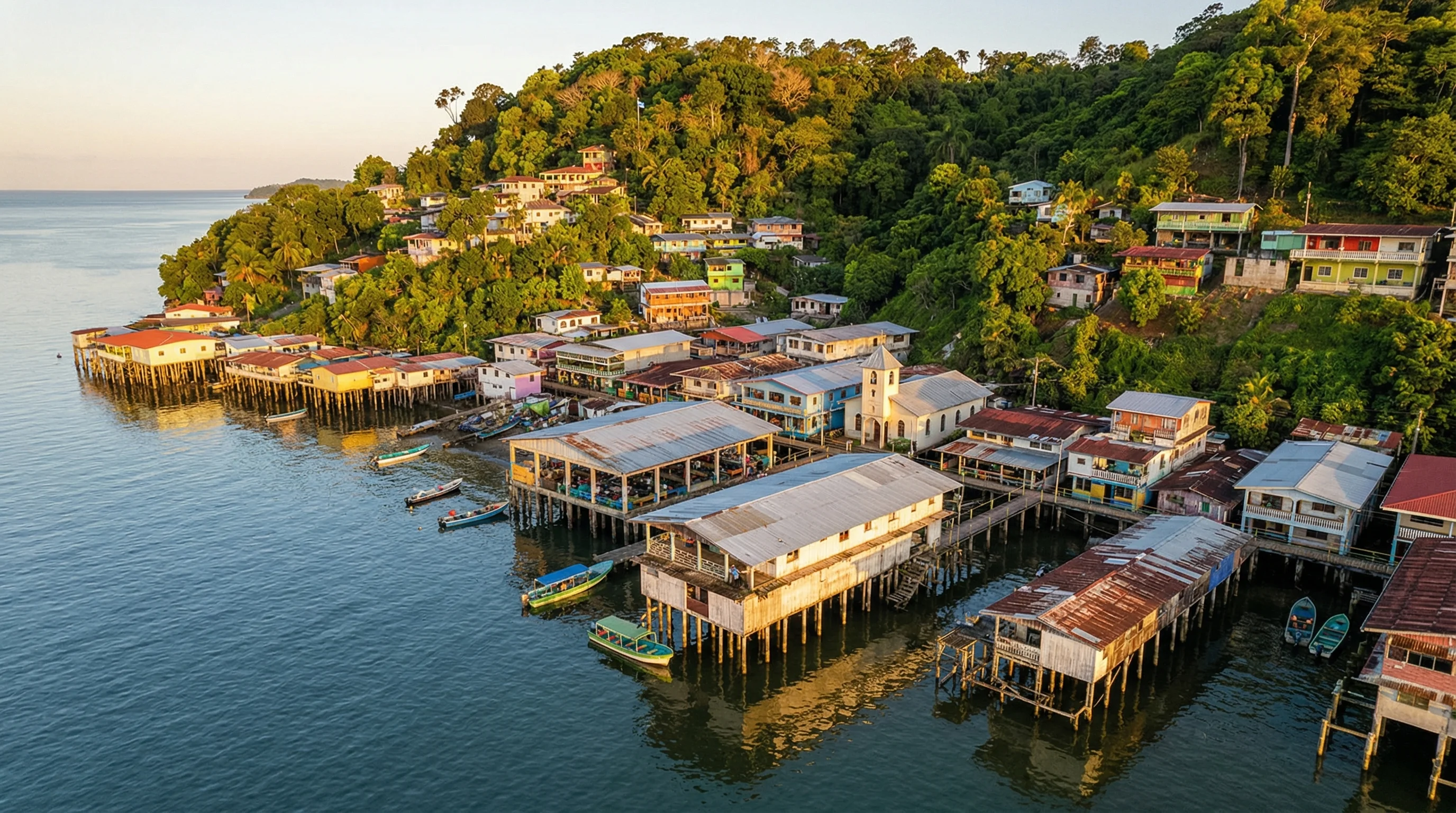
La Palma, located in the Darién region of Panamá, holds strategic importance as a gateway to South America, situated near the Panamá-Colombia border. This area is characterized by its dense natural landscape and growing logistical significance for regional trade. The local economy is supported by industries focused on agriculture, resource processing, and cross-border commerce, creating a steady need for efficient full truckload transportation infrastructure.
Transport infrastructure in La Palma relies on key highways that extend into the broader Panamanian network, enabling the movement of various cargo types. The proximity to important border points requires logistics partners with a deep understanding of local regulations and customs procedures. Control Terrestre coordinates with our trusted provider network to manage these complexities, ensuring that dedicated, oversized, and specialized cargo receives professional handling. This approach supports the reliable flow of goods through this critical junction, leveraging available infrastructure to meet demanding logistical requirements.










