
Heredia to Bismarck
Bismarck → HerediaFTL freight transportation service between Heredia and Bismarck. Reliable logistics solutions for your business.
Route Description
Everything you need to know about the corridor Heredia - Bismarck
The logistics corridor connecting Heredia, Costa Rica to Bismarck, North Dakota represents a vital cross-border freight route spanning approximately 4,385 kilometers. This corridor serves as a crucial link between Central America's growing industrial base and the agricultural and energy-rich heartland of the United States. The route traverses diverse terrain and multiple international borders, making it essential for companies engaged in North American trade. Control Terrestre specializes in managing the complexities of this corridor, ensuring seamless freight movement from origin to destination. The corridor's strategic importance continues to grow as trade volumes between Costa Rica and the northern United States increase, particularly in specialized cargo categories.
Services for this Route
Available services for the corridor Heredia - Bismarck
 Origin
Heredia
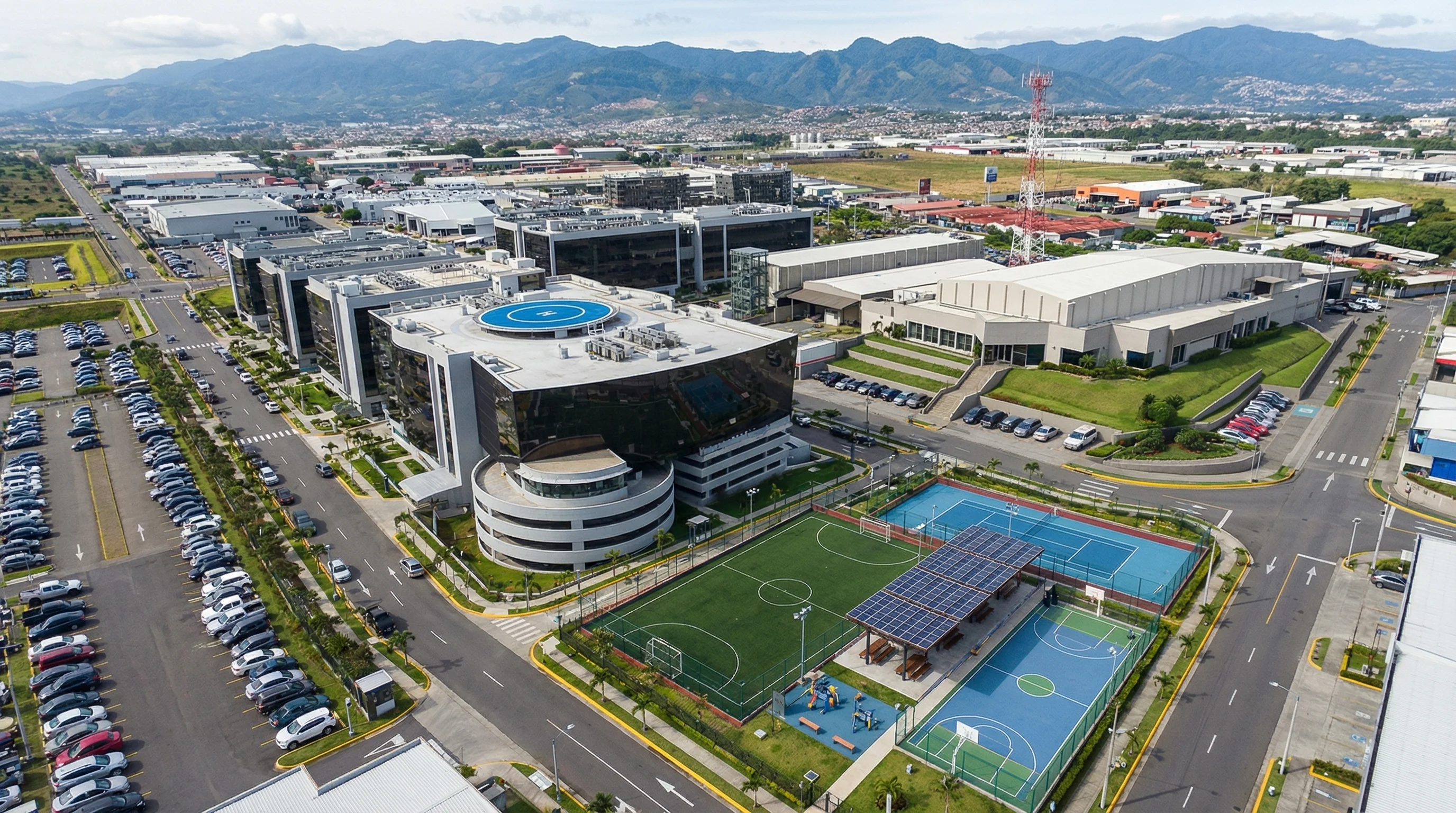
Heredia, located in the heart of Costa Rica's Central Valley, serves as a strategic logistics hub for the country's industrial and commercial activities. The region is home to numerous manufacturing facilities, particularly in the technology, medical devices, and food processing sectors. Heredia's proximity to Juan Santamaría International Airport and its well-developed road network, including the Inter-American Highway, provides excellent connectivity for freight transportation. The area's concentration of industrial parks and free trade zones makes it an ideal origin point for cross-border shipments, with specialized infrastructure supporting both domestic and international logistics operations.
 Destination
Bismarck
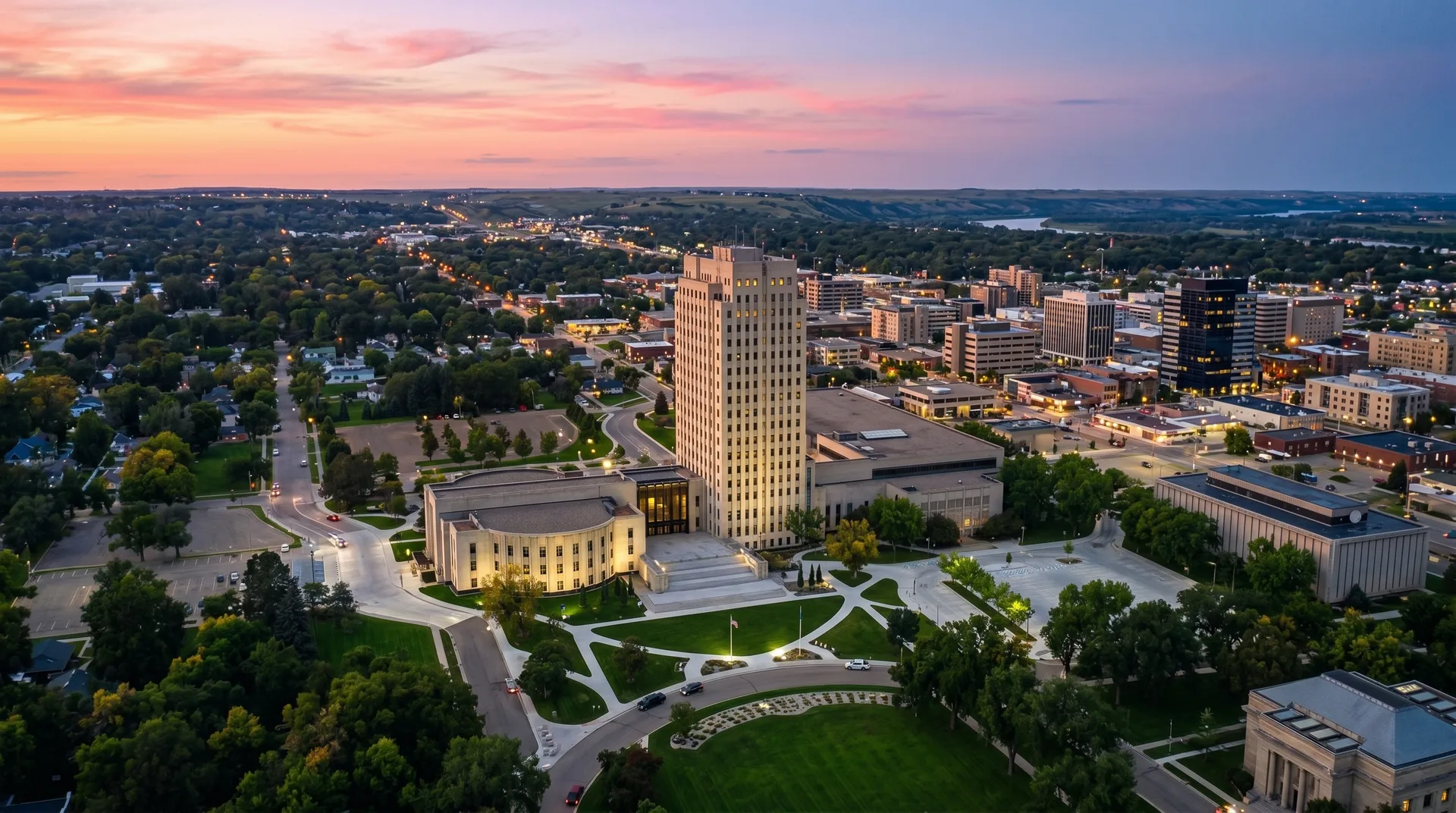
Bismarck, the capital city of North Dakota, occupies a strategic position in the American Midwest with significant logistical advantages. Located along the Missouri River and at the crossroads of major transportation routes, Bismarck serves as a distribution center for the region's agricultural, energy, and manufacturing sectors. The city's access to Interstate 94 and its proximity to major rail terminals facilitate efficient freight movement throughout the northern United States. Bismarck's growing industrial base, particularly in energy production and agricultural processing, creates consistent demand for reliable cross-border freight services connecting to Central American markets.










