Guastatoya to Torreón
Torreón → GuastatoyaFTL freight transportation service between Guastatoya and Torreón. Reliable logistics solutions for your business.
Route Description
Everything you need to know about the corridor Guastatoya - Torreón
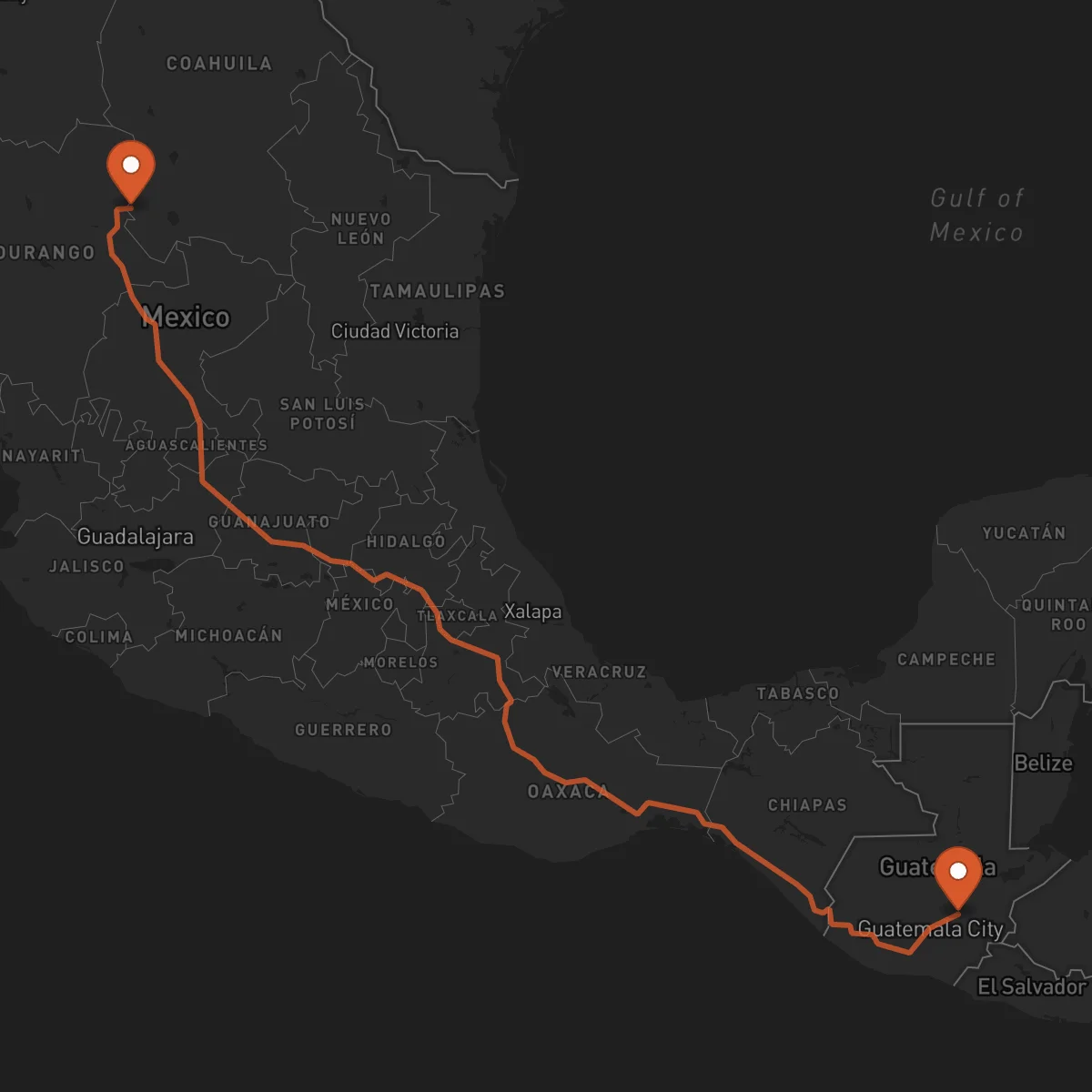
The cross-border logistics corridor connecting Guastatoya, El Progreso, Guatemala, to Torreón, Coahuila, México spans approximately 1,828 kilometers and serves as a vital freight route linking Central America with northern Mexico. This corridor plays a strategic role in facilitating the movement of goods between the productive regions of Guatemala and the dynamic industrial hub of La Laguna, enabling companies to optimize their supply chains across international borders.
The economic and industrial context of this corridor is defined by the diversity of its productive sectors. On the Guatemalan side, the region of El Progreso is known for its agricultural output, including sugarcane, rubber, and palm oil, as well as a growing manufacturing sector. As freight moves north into Mexico, the corridor connects with the robust economies of southern and central Mexico before reaching the La Laguna region in Coahuila, a powerhouse in agriculture, mining, textiles, and automotive manufacturing. This diversity of industries generates consistent demand for reliable full truckload transportation services capable of handling a wide range of cargo types.
The primary transportation infrastructure supporting this corridor follows key highways through Guatemala, including the CA-9 and CA-1 highways, before entering Mexico through established border crossings in the state of Chiapas or along the Guatemalan-Mexican border region. From there, freight travels along Mexico's federal highway network, including Mexican Federal Highways 45 and 40, which provide direct access to Torreón and the surrounding La Laguna metropolitan area. Companies utilizing this corridor must navigate customs procedures at the international border, where proper documentation, compliance with bilateral trade agreements, and adherence to carrier certifications such as C-TPAT and FAST are essential for smooth operations.
At Control Terrestre, we facilitate cross-border freight operations along this corridor through our alliance of experienced and strategic transportation providers. Our dedicated FTL services ensure that cargo moves efficiently and securely from origin to destination, with equipment options including 48' and 53' dry vans, refrigerated trailers, and specialized units to meet the unique demands of each shipment. With certifications including C-TPAT, FAST, BASC, and Responsible Care, our providers are equipped to handle the regulatory and security requirements of international freight, giving our customers confidence that their goods are in capable hands every step of the way.
Services for this Route
Available services for the corridor Guastatoya - Torreón
 Origin
Guastatoya
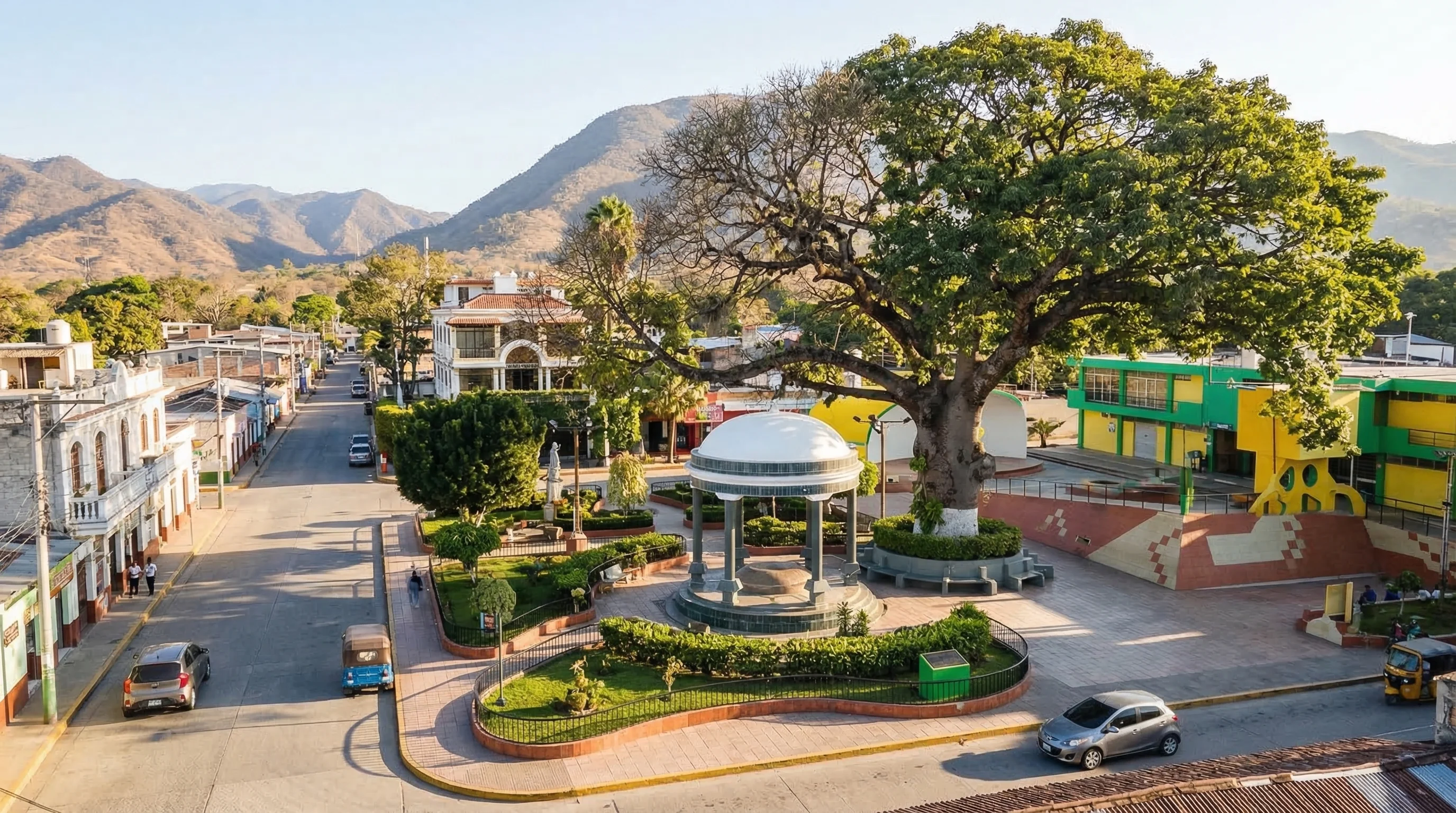
Guastatoya, the capital of the department of El Progreso in Guatemala, occupies a strategic position along the country's primary east-west transportation axis. Located along the CA-9 highway, which connects Guatemala City to the Atlantic port of Santo Tomás de Castilla, Guastatoya serves as a logistical node for the distribution of goods moving between the capital region and eastern Guatemala. The local economy is driven by agriculture, with significant production of sugarcane, African palm, basic grains, and livestock. The area also hosts manufacturing and agro-industrial operations that require dependable freight connections to markets in Mexico and beyond. Its proximity to Guatemala City and access to main highway infrastructure make Guastatoya an efficient starting point for cross-border shipments heading north into Mexico.
 Destination
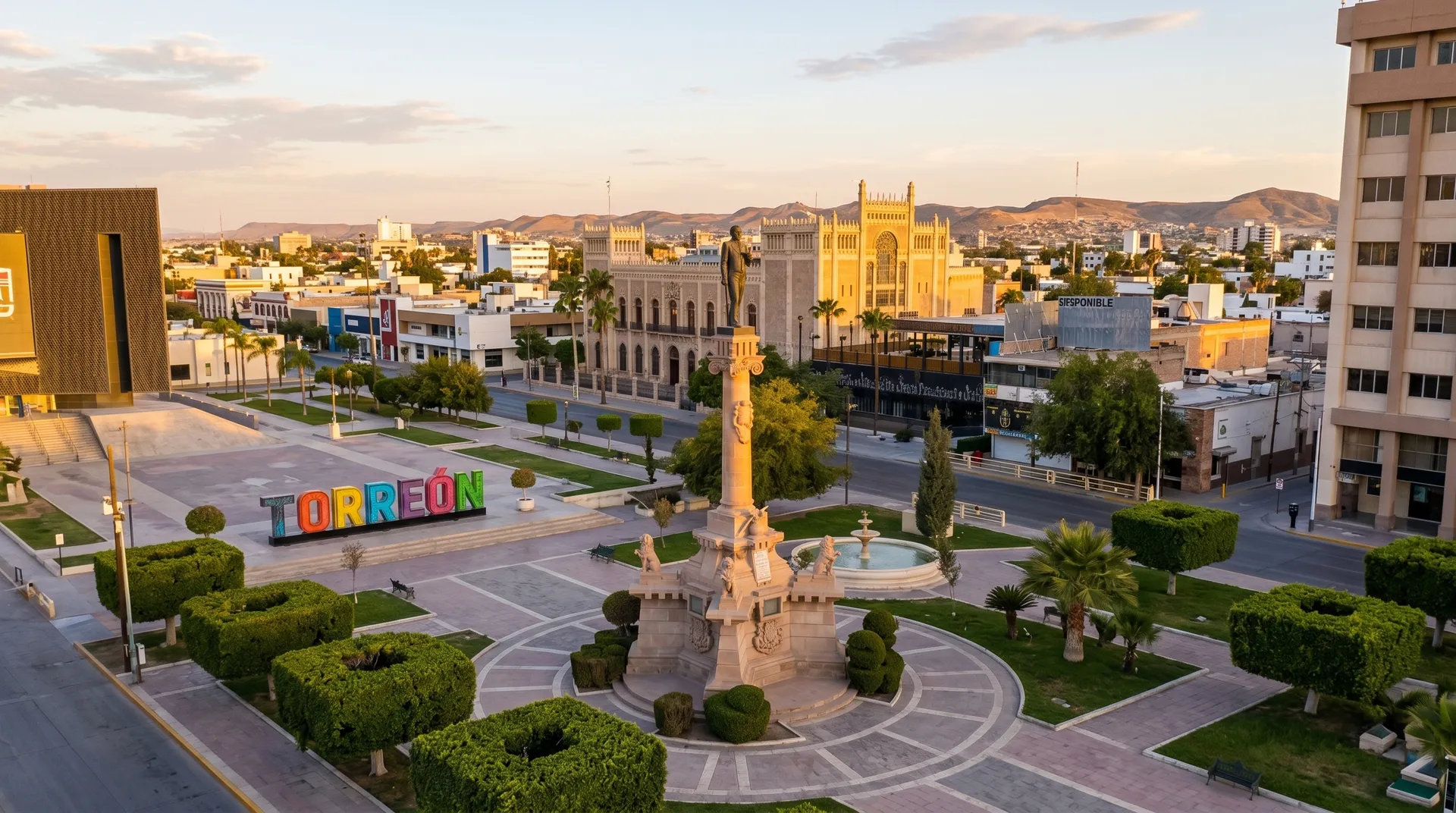
Torreón, located in the state of Coahuila in northern Mexico, is a key industrial and logistics hub within the La Laguna metropolitan region. The city is anchored by a strong economic base that includes agriculture, particularly cotton and dairy production, as well as mining, automotive manufacturing, and a growing textile sector. Torreón's transportation infrastructure is well-developed, with access to Mexican Federal Highways 40 and 45, which connect it to major markets across northern Mexico and to the United States border. The city also benefits from rail connections and proximity to the international border, positioning it as an ideal destination for cross-border freight arriving from Central America. This combination of industrial activity and logistical connectivity makes Torreón a strategic endpoint for companies seeking to serve the northern Mexican market.










