Guastatoya to Celaya
Celaya → GuastatoyaFTL freight transportation service between Guastatoya and Celaya. Reliable logistics solutions for your business.
Route Description
Everything you need to know about the corridor Guastatoya - Celaya
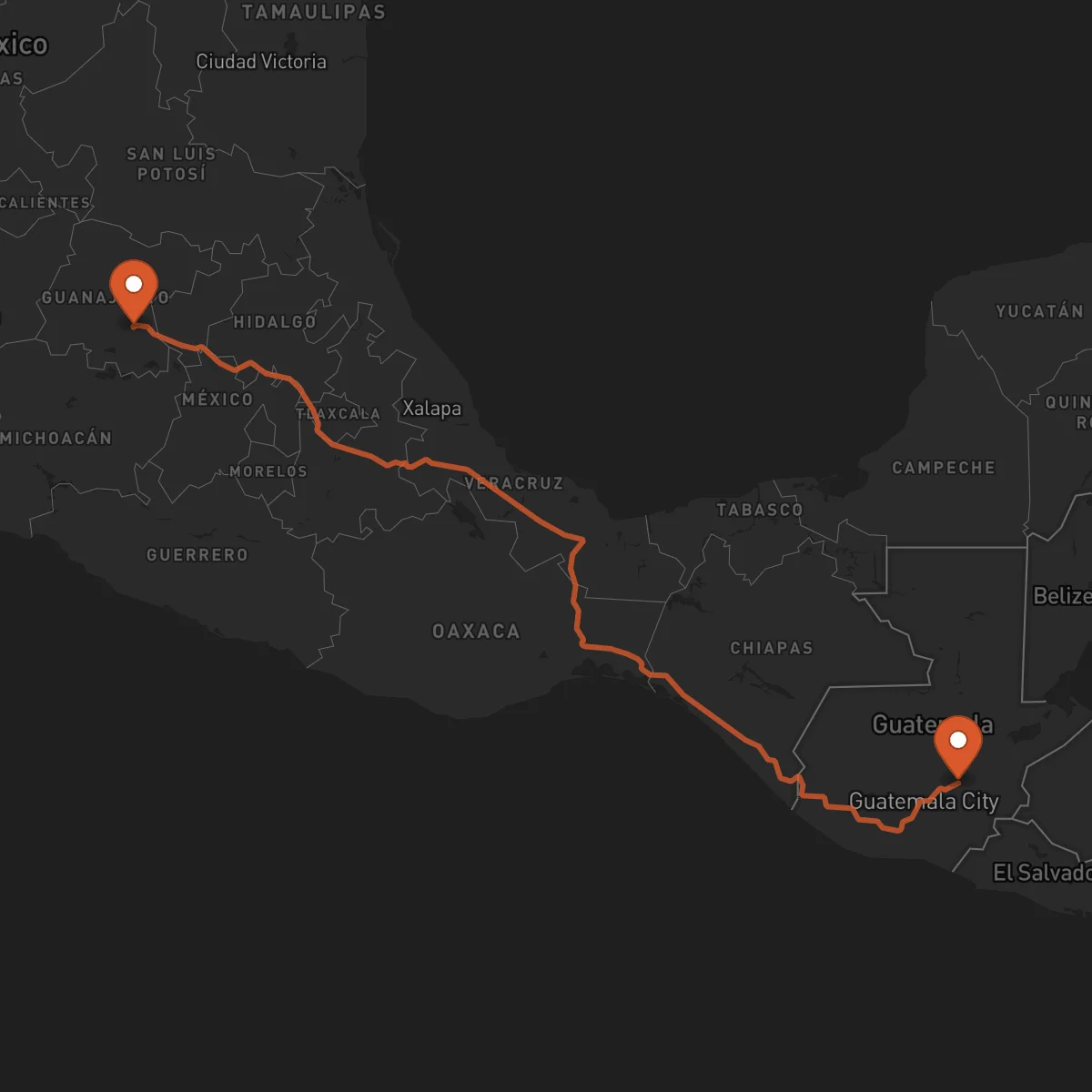
The Guastatoya, Guatemala to Celaya, Mexico corridor is a vital cross-border artery connecting Central America's production hubs with Mexico's industrial Bajío region. Spanning approximately 1,301 km, this route is strategically essential for moving full truckload (FTL) cargo efficiently across the Guatemala-Mexico border, facilitating trade between two dynamic economic zones. The corridor supports the flow of goods from Guatemala's agricultural and manufacturing sectors to Mexico's advanced industrial supply chains, and vice versa, playing a key role in regional integration.
Economically, the corridor links the productive El Progreso department in Guatemala—known for agriculture, coffee, and growing manufacturing—with Guanajuato's Celaya, a major center for the automotive, food processing, and cereal industries. This connection enables just-in-time delivery for automotive assembly plants and the movement of perishable and manufactured goods. The primary industries leveraging this route include agribusiness (fruits, vegetables, coffee), automotive parts suppliers, food and beverage manufacturers, and industrial machinery distributors.
Key transportation infrastructure includes Guatemala's CA-1 highway from Guastatoya to the border, and Mexico's Federal Highway 45, a major north-south route running through the Bajío. The standard border crossing is at Tecún Umán (Guatemala) / Ciudad Hidalgo (Mexico), a bustling port of entry. Customs and compliance are critical; successful navigation requires expertise in documentation, duties, and regulations like C-TPAT and FAST for pre-approved, expedited clearance. Control Terrestre facilitates seamless operations on this corridor through our dedicated network of certified carriers. We manage the entire cross-border process, from origin pickup in Guastatoya to final delivery in Celaya, leveraging our providers' certifications (C-TPAT, FAST, BASC) and equipment—including 53' dry vans, reefers, and flatbeds—to handle diverse cargo securely and efficiently, eliminating the complexity for our clients.
Services for this Route
Available services for the corridor Guastatoya - Celaya
 Origin
Guastatoya
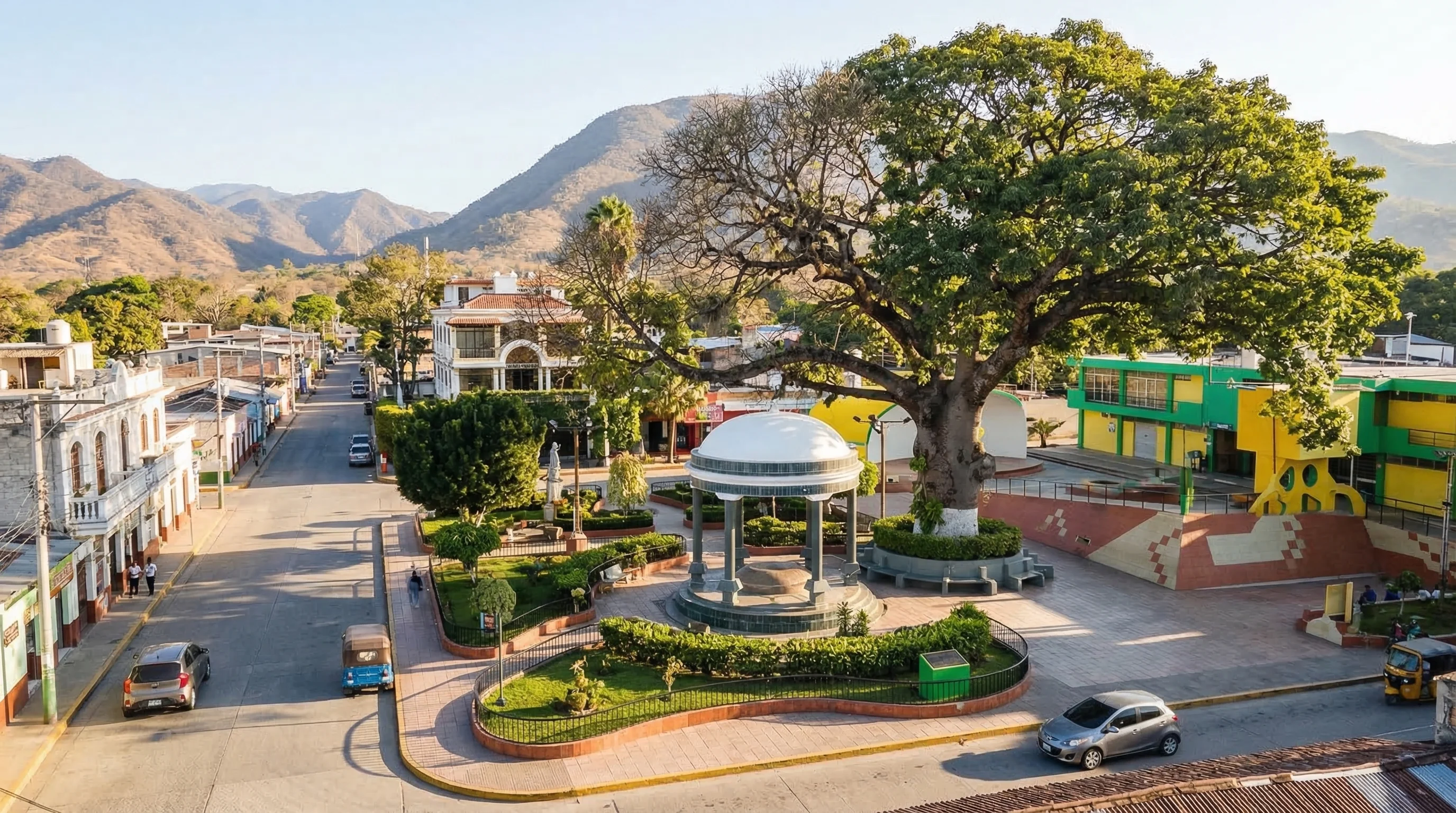
Guastatoya, the capital of El Progreso department, is a strategic logistics hub in eastern Guatemala. Its location provides direct access to the CA-1 highway, the main route to the Mexican border at Tecún Umán, making it a natural departure point for northbound freight. The city and surrounding region are economically significant for agriculture (notably coffee, cardamom, and a variety of fruits and vegetables) and a growing manufacturing sector, including textiles and food processing. This industrial base generates consistent demand for outbound FTL transportation. The available infrastructure is robust for land transport, with well-maintained highways connecting it to Guatemala City and the border. Its position allows shippers to consolidate cargo from the eastern agricultural valleys and industrial parks for efficient cross-border movement into Mexico's high-demand markets.
 Destination
Celaya
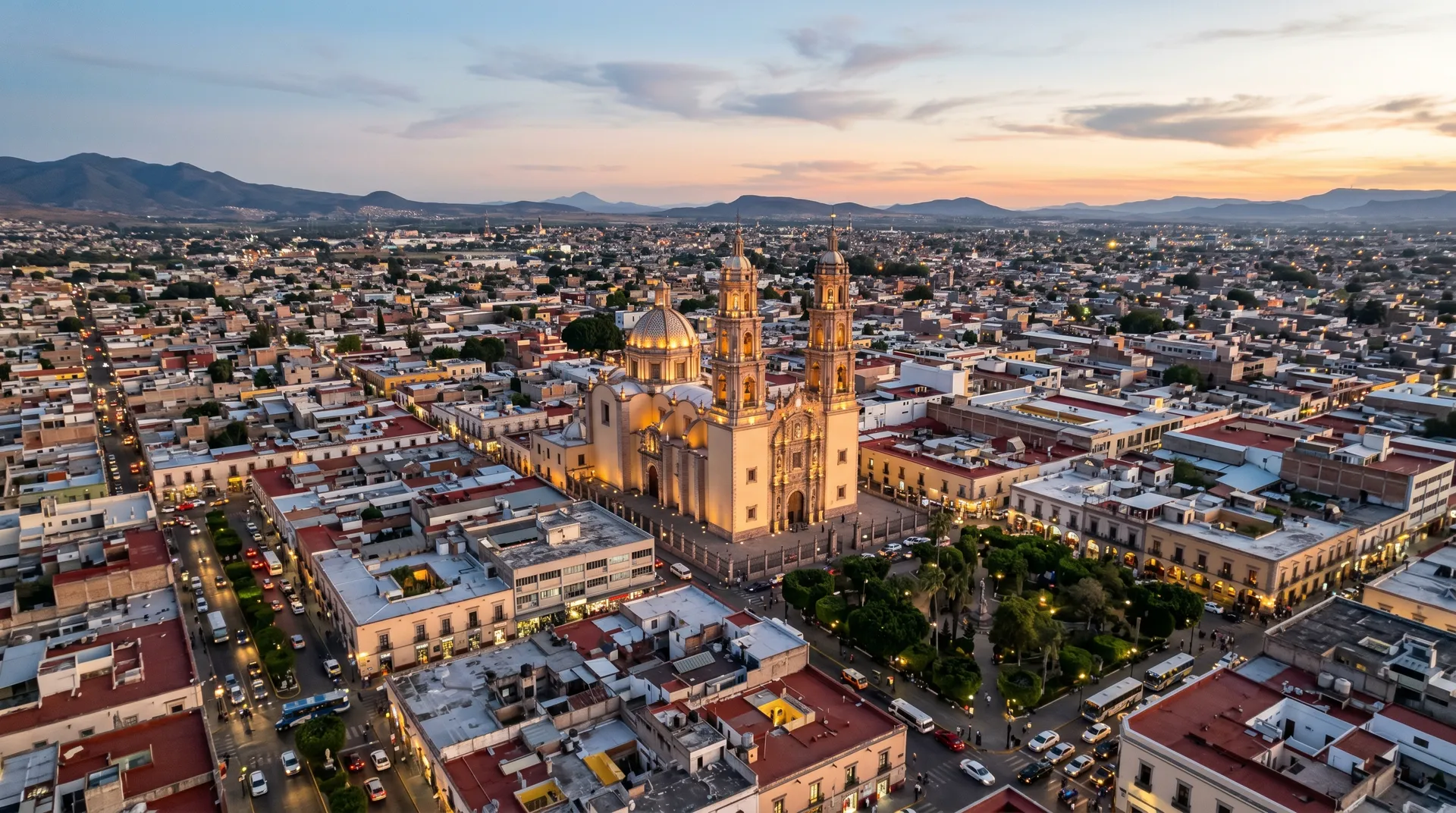
Celaya, located in the heart of Guanajuato's Bajío region, is a premier logistics and industrial destination in central Mexico. Its strategic value stems from its central position within Mexico's manufacturing corridor, excellent connectivity via Federal Highway 45 (linking to Mexico City, Monterrey, and the U.S. border), and proximity to major automotive plants in Silao and Apaseo el Grande. Economically, Celaya is dominated by the automotive industry (with suppliers for General Motors and Volkswagen), a massive food processing sector (cereals, dairy, confectionery), and general manufacturing. This creates immense inbound freight demand for raw materials, components, and outbound demand for finished goods. The city boasts extensive logistics infrastructure, including industrial parks, distribution centers, and direct access to key north-south and east-west highway networks, making it an optimal endpoint for cross-border FTL shipments from Guatemala and a transshipment point for broader North American distribution.










