Guanajuato to Roatán
Roatán → GuanajuatoFTL freight transportation service between Guanajuato and Roatán. Reliable logistics solutions for your business.
Route Description
Everything you need to know about the corridor Guanajuato - Roatán
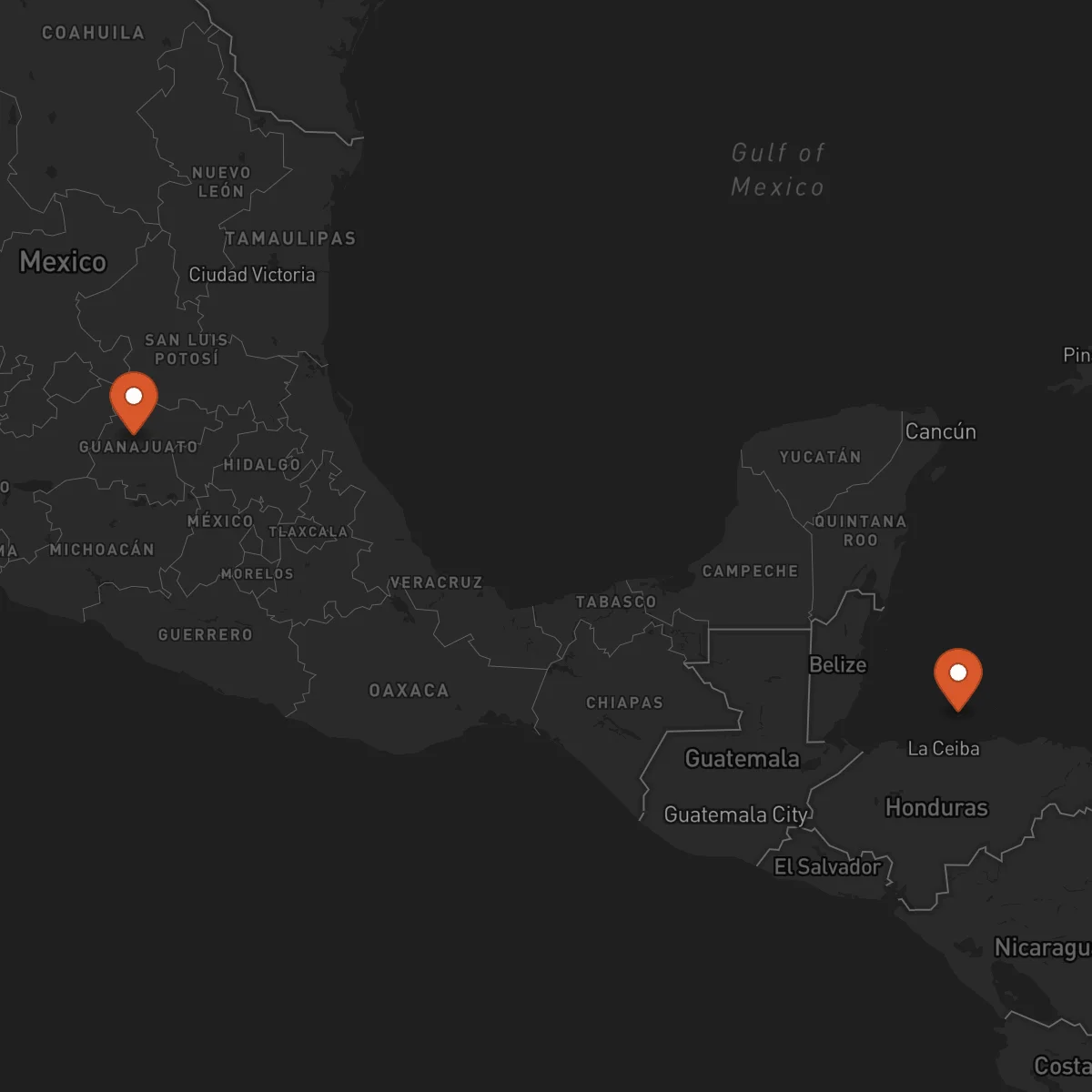
The Guanajuato to Roatán corridor represents a critical logistics artery connecting Mexico's industrial heartland with a key Caribbean hub in Honduras. Strategically, it bridges the manufacturing prowess of the Bajío region with the tourism-driven and import-dependent economy of the Bay Islands, facilitating essential trade flows for both general cargo and specialized goods. This cross-border route is vital for moving products that support Roatán's commercial sector, construction, and tourism infrastructure, while enabling Honduran exports and regional distribution. The economic context is defined by Guanajuato's status as a major automotive, aerospace, and agricultural producer, requiring reliable outbound logistics, and Roatán's role as a consumer market and transshipment point reliant on consistent inbound supply chains. Key industries utilizing this corridor include automotive parts manufacturers, agribusinesses, consumer goods distributors, and construction material suppliers serving the island's development. The primary transportation infrastructure relies on Mexico's federal highway network, notably Mexico 45D and Mexico 190, transitioning to the Central American highway system, specifically CA-5 in Honduras, which provides the main land link to the port cities of the mainland. The most relevant border crossings for this north-south trajectory are typically at Talisman (Chiapas) or Agua Zarca (between Guatemala and Honduras), where experienced customs brokerage and compliance with programs like C-TPAT and FAST are essential for efficiency. Control Terrestre facilitates seamless operations on this complex corridor through our robust alliance network of certified carriers. We manage the full truckload (FTL) land segment with dedicated, expedited, or specialized equipment as needed, and coordinate the necessary intermodal transfer—whether via roll-on/roll-off ferry or coastal vessel—from the Honduran mainland port to Roatán. Our expertise in cross-border documentation, familiarity with Central American customs procedures, and access to providers holding BASC and Responsible Care certifications ensure a streamlined, secure, and transparent process from Guanajuato's factory gate to the final destination on the island.
Services for this Route
Available services for the corridor Guanajuato - Roatán
 Origin
Guanajuato
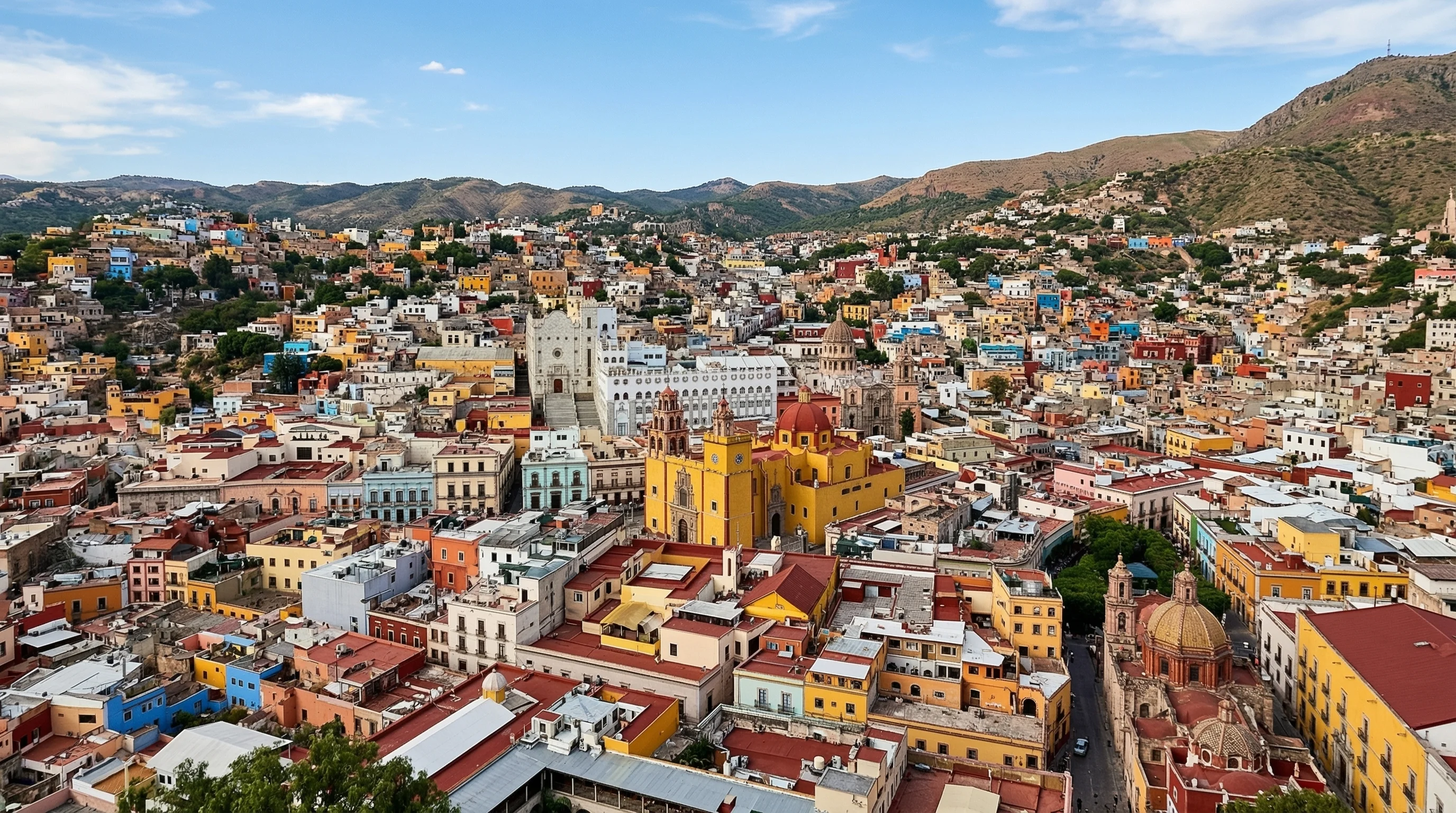
Guanajuato, located in the heart of Mexico's Bajío region, is a strategic logistics powerhouse with exceptional connectivity. Its central position offers direct access to major markets in Mexico, the United States, and ports on both the Pacific and Gulf coasts. The state is an industrial giant, with dominant sectors including automotive manufacturing (a major cluster for GM, VW, and Toyota), aerospace, food processing, and agriculture. This economic strength generates significant outbound freight volumes requiring efficient north-south and international corridors. The transportation infrastructure is robust, featuring a dense network of high-quality federal toll highways (like the Arco Norte and Mexico 45D), extensive rail lines servicing industrial parks, and proximity to key seaports such as Manzanillo and Lázaro Cárdenas on the Pacific, and Altamira on the Gulf. For cross-border logistics, Guanajuato's manufacturers benefit from established routes to southern Mexico and the Central American border, making it an optimal origin point for freight destined for Honduras and beyond.
 Destination
Roatán
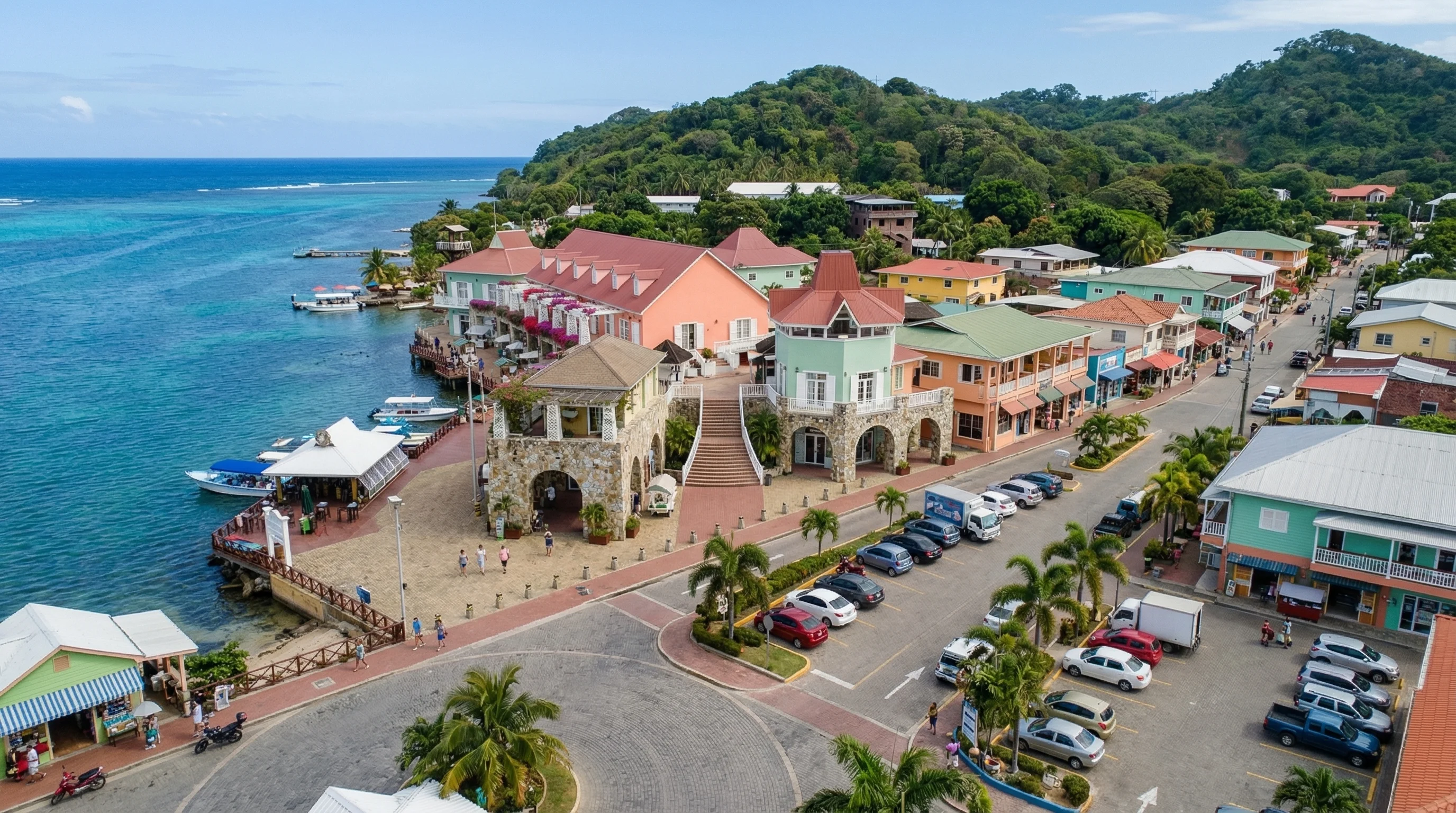
Roatán, the largest of the Bay Islands off the coast of Honduras, is a strategic logistics destination due to its status as a premier Caribbean tourist destination and a bustling commercial center for the region. Its economy is heavily driven by tourism, which creates sustained demand for imported consumer goods, construction materials, food and beverage supplies, and equipment. Additionally, Roatán serves as a distribution hub for the surrounding islands. The island's logistics infrastructure is centered around its principal port facility, which handles both cruise ships and cargo vessels. This port is the critical nexus for all goods arriving from the Honduran mainland and international markets. Overland transportation to the port typically converges from the Honduran mainland via the CA-5 highway to coastal cities like Puerto Cortés or La Ceiba, where cargo is transferred for the final maritime leg to Roatán. The island itself has a developing road network connecting the port to main population centers and resort areas, necessitating reliable last-mile delivery solutions for final distribution.










