Guanajuato to Granada
Granada → GuanajuatoFTL freight transportation service between Guanajuato and Granada. Reliable logistics solutions for your business.
Route Description
Everything you need to know about the corridor Guanajuato - Granada
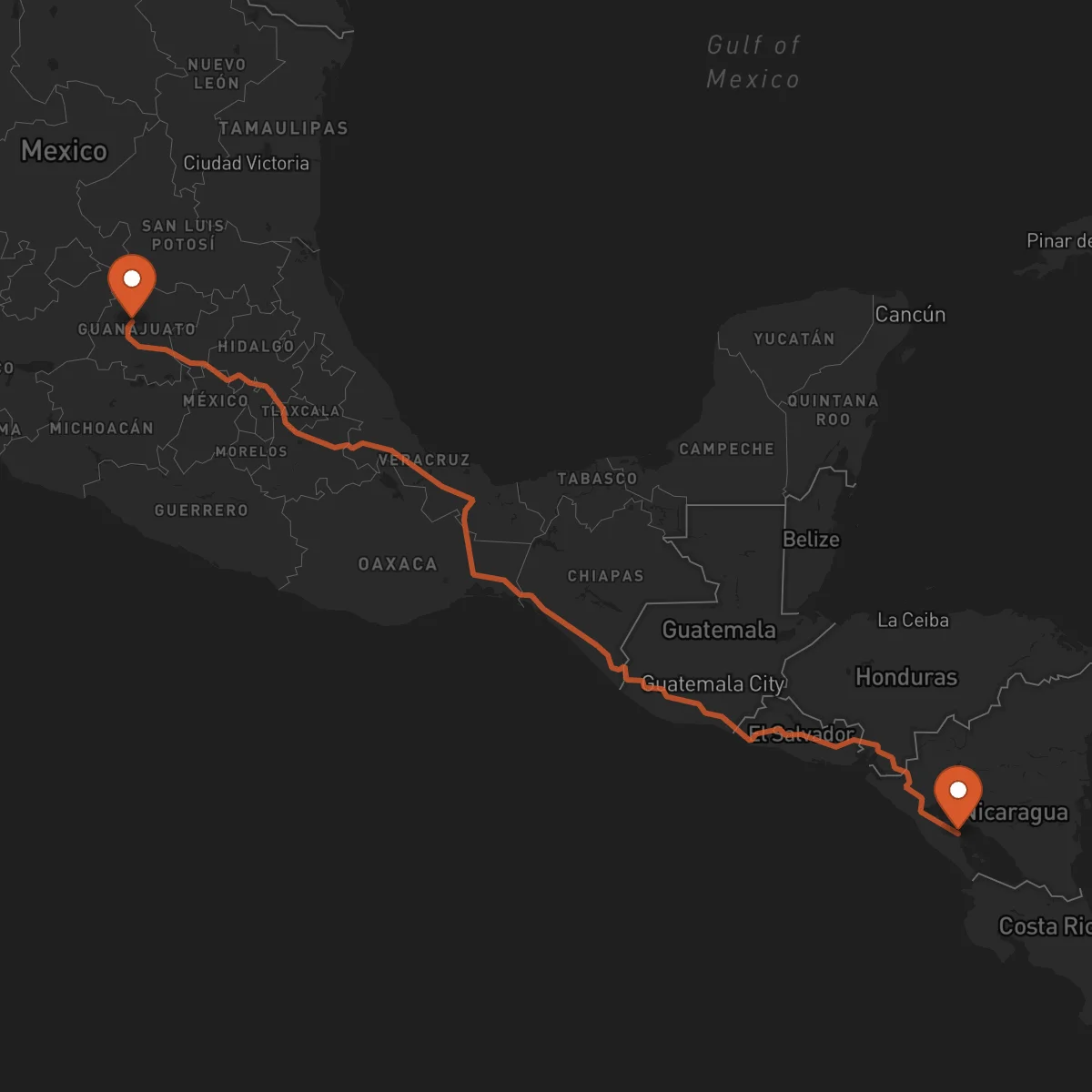
The Guanajuato to Granada corridor represents a vital north-south logistics artery connecting Mexico's industrial heartland with Nicaragua's Pacific coast. This strategic route traverses the breadth of Central America, facilitating the movement of goods between two key economic zones. The corridor's importance is underscored by the robust industrial output of Mexico's Bajío region and Nicaragua's growing export-oriented agriculture and manufacturing sectors. Major industries leveraging this route include automotive and auto parts manufacturers, agricultural producers (particularly in fresh produce and coffee), textile and apparel companies, and industrial machinery distributors. The primary transportation infrastructure relies on a network of well-maintained highways, beginning with Mexico's Federal Highway 45 and 57, transitioning through Central American routes like the CA-1 and CA-2. The most significant border crossing is at Paso Canoas between Costa Rica and Panama, a critical chokepoint requiring meticulous customs coordination. Control Terrestre facilitates seamless operations on this complex corridor through our strategic alliance of certified carriers. Our partners hold essential credentials like C-TPAT, FAST, and BASC, ensuring compliant and efficient cross-border processes. We manage the full spectrum of FTL requirements—from dedicated and expedited services to specialized cargo like refrigerated or oversized loads—providing our clients with a single, reliable point of contact for this challenging international route.
Services for this Route
Available services for the corridor Guanajuato - Granada
 Origin
Guanajuato
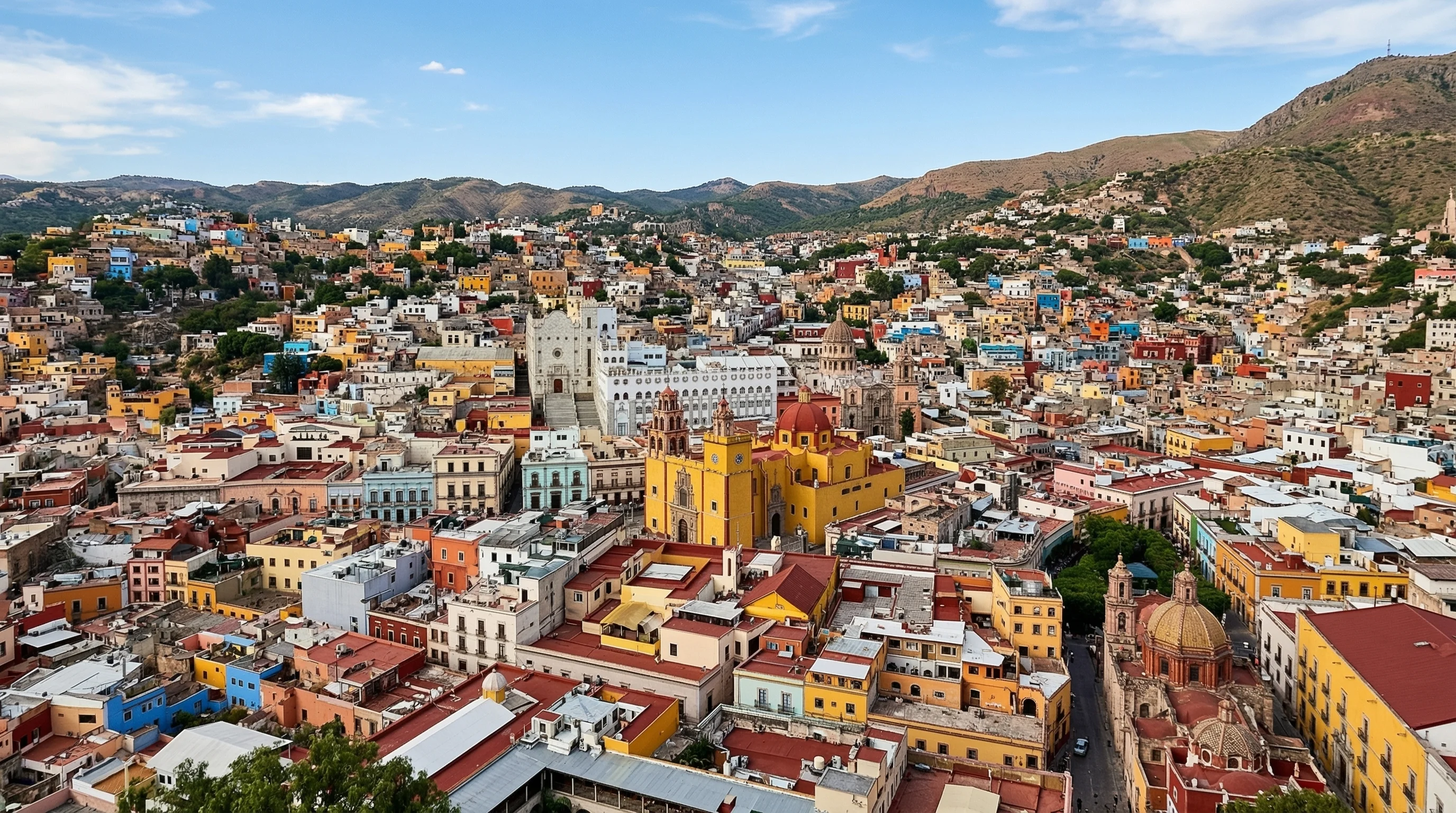
Guanajuato, located in the heart of Mexico's Bajío region, is a premier logistics origin point due to its central position within the country's most dynamic industrial corridor. The state is an economic powerhouse, dominated by advanced manufacturing, particularly the automotive industry with major assembly and parts production plants. Significant sectors also include agriculture (exporting berries, broccoli, and walnuts), aerospace, and food & beverage processing. Its strategic location offers excellent connectivity: the region is intersected by major federal highways (45, 57, 51D) and is served by key rail lines and the Guanajuato International Airport (BJX). The presence of numerous industrial parks and logistics centers, coupled with proximity to Mexico's largest consumer markets and border crossings with the U.S., makes it an optimal launchpad for national and international freight, including cross-border movements south into Central America.
 Destination
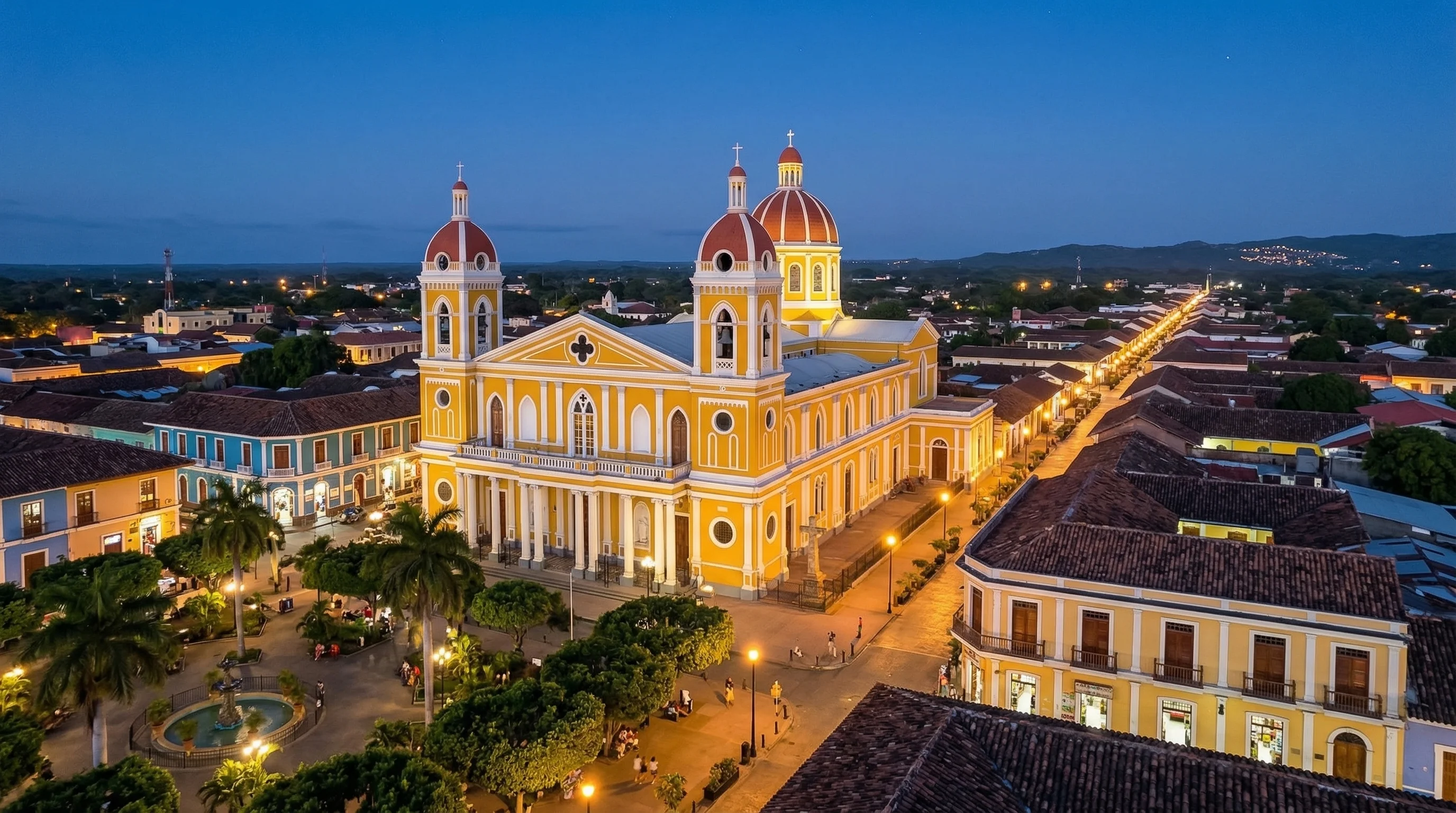
Granada, Nicaragua, serves as a crucial Pacific gateway and logistics hub for the country and southern Central America. Its strategic location provides direct access to major agricultural regions and port facilities like Corinto. The local and regional economy is heavily driven by agriculture (coffee, sugarcane, peanuts, and sesame), livestock, and a growing textile/apparel manufacturing sector for export. The city is well-connected by the Pan-American Highway (CA-1), which runs north-south through Nicaragua, linking it directly to the Costa Rican border and the broader Central American road network. This infrastructure supports the movement of goods to and from Granada, making it a central node for distribution within Nicaragua and a pivotal terminus or origin point for cross-border freight traversing the isthmus, connecting to markets in Costa Rica, Panama, and beyond.










