Grand Rapids to Boise
Boise → Grand RapidsFTL freight transportation service between Grand Rapids and Boise. Reliable logistics solutions for your business.
Route Description
Everything you need to know about the corridor Grand Rapids - Boise
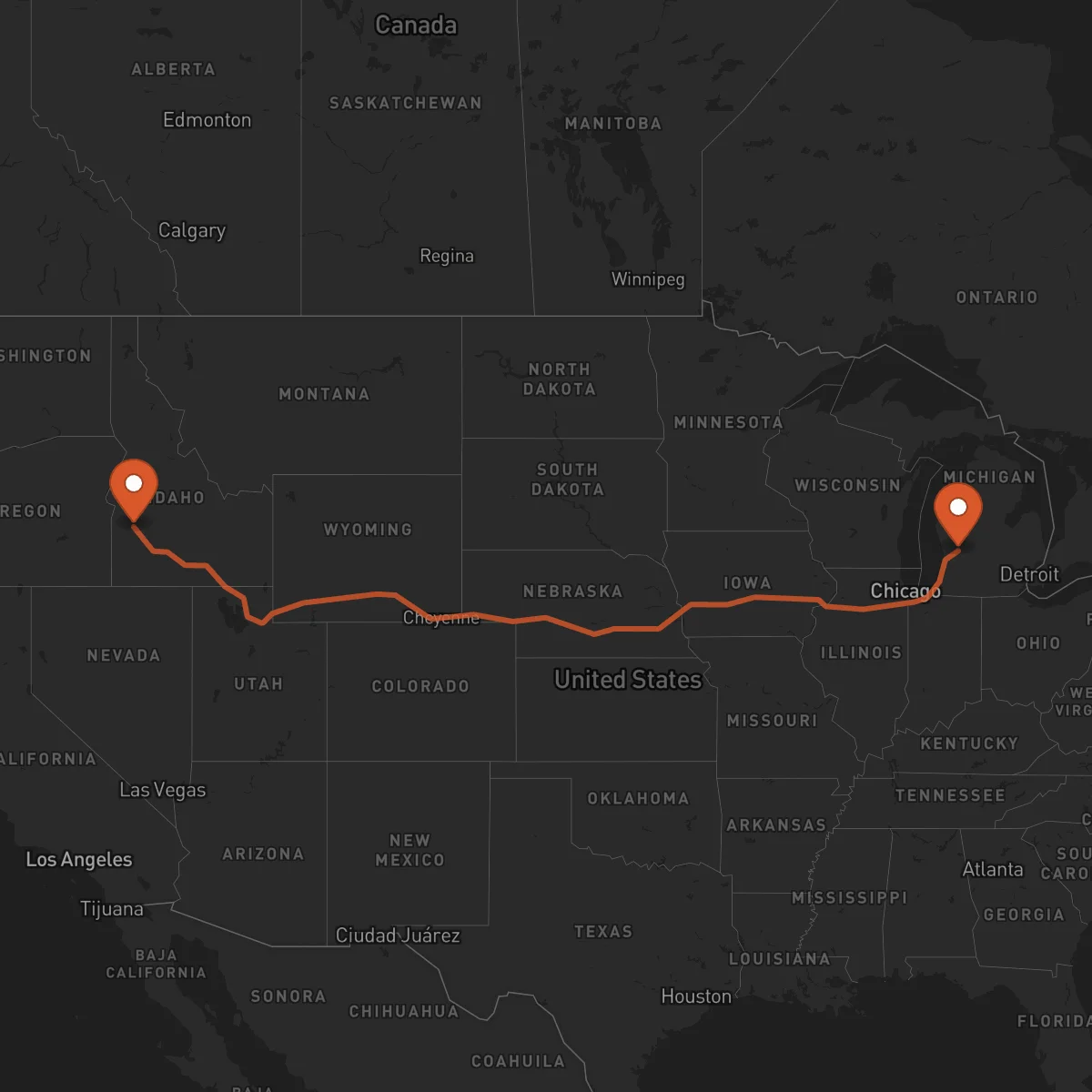
The logistics corridor connecting Grand Rapids, Michigan, to Boise, Idaho, represents a vital domestic freight route spanning approximately 2,458 kilometers across the heart of the United States. This east-west transportation artery links the industrial Midwest with the growing markets of the Pacific Northwest, traversing diverse geographic and economic regions. The corridor serves as a crucial supply chain link for businesses operating between Michigan's manufacturing centers and Idaho's expanding industrial and agricultural sectors.
The route primarily follows major interstate highways, including I-94 westbound from Grand Rapids through Chicago, connecting to I-90 across South Dakota and Wyoming, before transitioning to I-84 into Boise. This well-established freight corridor benefits from multiple transportation options and passes through key logistics hubs in Chicago, Minneapolis, and Salt Lake City. The infrastructure supports consistent freight movement throughout the year, though seasonal weather patterns in the northern sections require experienced logistics management.
Control Terrestre specializes in full truckload (FTL) freight transportation along this corridor, offering dedicated services that ensure your cargo moves efficiently from origin to destination. Our extensive network of certified carriers provides the capacity and reliability needed for time-sensitive shipments. We understand the specific requirements of industries operating between these regions, from automotive parts and manufacturing components to agricultural products and consumer goods. Our team coordinates every aspect of the journey, providing real-time tracking and proactive communication to keep your supply chain running smoothly.
Services for this Route
Available services for the corridor Grand Rapids - Boise
 Origin
Grand Rapids
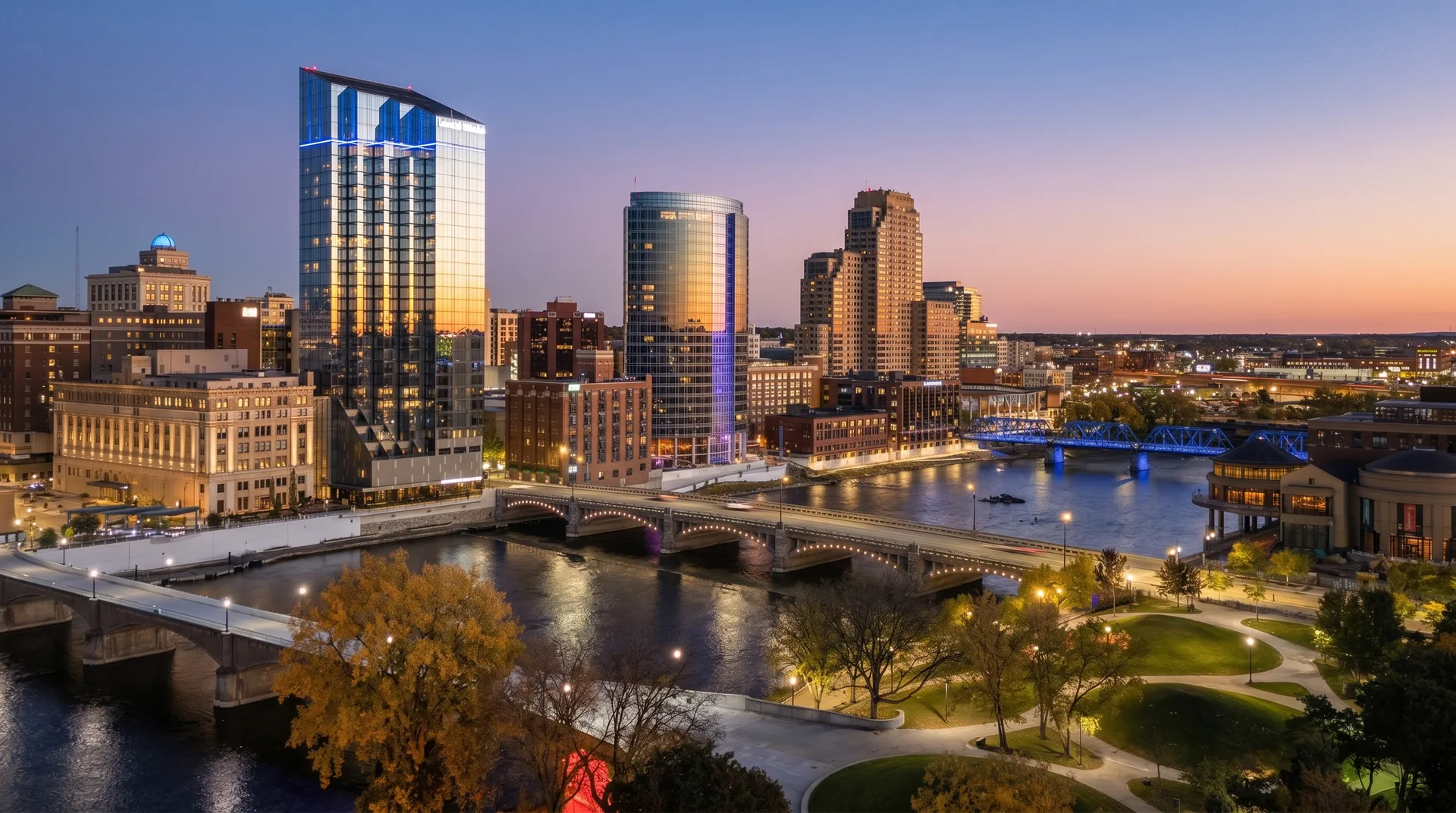
Grand Rapids, Michigan, serves as a strategic logistics hub in the Midwest, positioned advantageously for freight distribution throughout the Great Lakes region. The city's location provides direct access to major interstate highways, including I-96, I-196, and I-94, facilitating efficient connections to Chicago, Detroit, and other key markets. Grand Rapids benefits from proximity to the Port of Muskegon and multiple rail terminals, creating a multimodal transportation environment that supports diverse freight needs. The region's robust infrastructure includes the Gerald R. Ford International Airport and extensive warehousing facilities, making it an ideal origin point for both regional and cross-country shipments.
The economic landscape of Grand Rapids centers on advanced manufacturing, office furniture production, and healthcare industries. The city is renowned as the "Furniture City," hosting major manufacturers and suppliers in the office furniture sector. Additionally, the region supports automotive parts suppliers, food processing facilities, and medical device manufacturers. These industries generate consistent freight volumes requiring reliable transportation solutions, particularly for heavy manufacturing equipment, raw materials, and finished goods moving to western markets.
 Destination
Boise
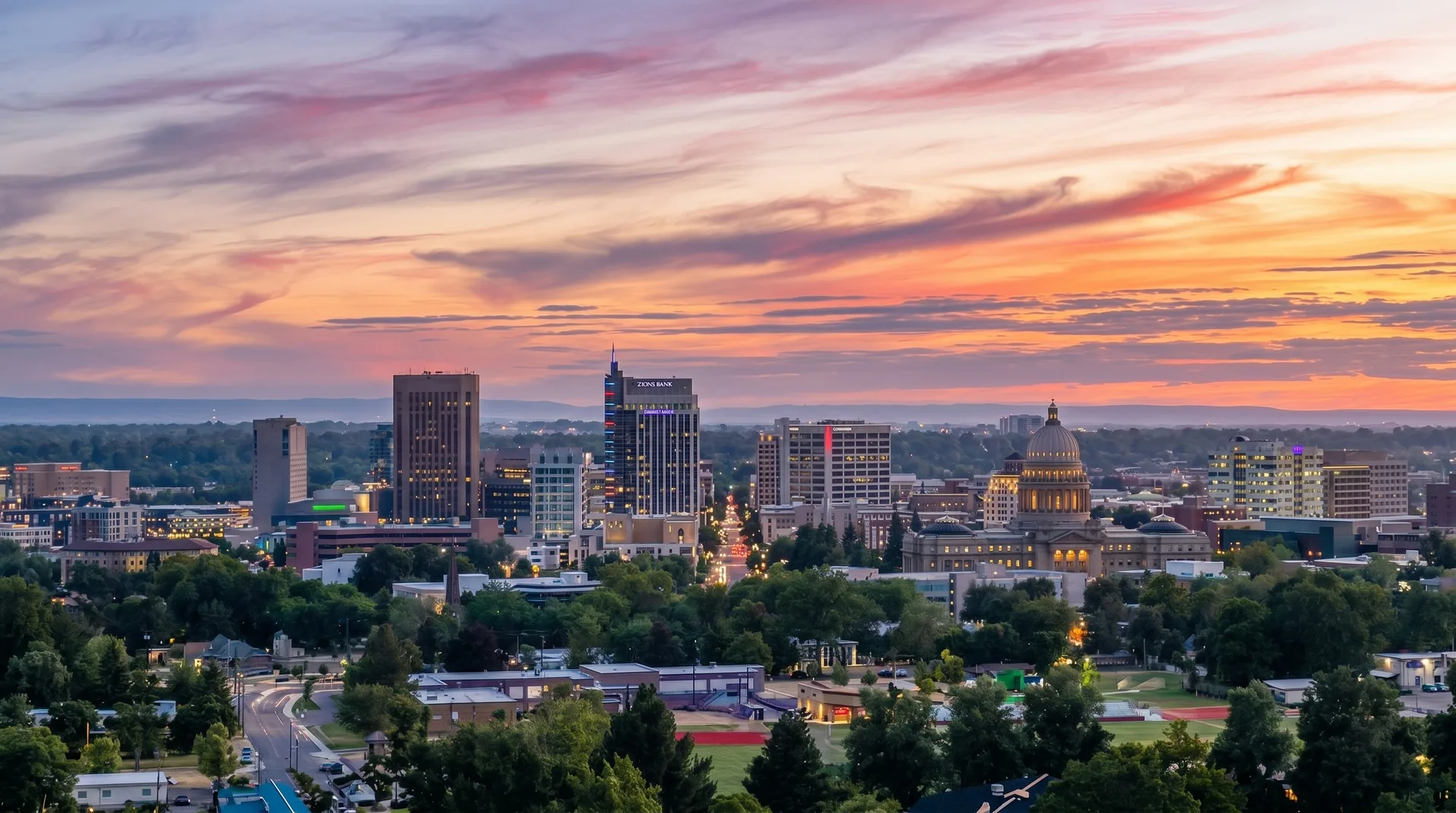
Boise, Idaho, has emerged as a strategic logistics center in the Pacific Northwest, offering excellent connectivity for freight distribution across the western United States. The city's location at the crossroads of I-84 and I-90 provides direct access to Portland, Seattle, Salt Lake City, and other major western markets. Boise International Airport and the nearby Port of Portland expand the region's multimodal capabilities, while the city's growing warehousing and distribution infrastructure supports increased freight volumes. The Treasure Valley's central location makes Boise an ideal distribution point for reaching both coastal and inland western markets.
The Boise metropolitan area has experienced significant economic diversification, with technology, agriculture, and outdoor recreation industries driving growth. The region hosts expanding tech companies, food processing facilities, and agricultural operations producing potatoes, dairy products, and other commodities. Boise's manufacturing sector includes electronics, wood products, and industrial equipment. These industries create diverse freight transportation needs, from temperature-sensitive agricultural products to high-tech equipment and raw materials, requiring specialized logistics solutions that can handle varying cargo requirements and delivery schedules.










