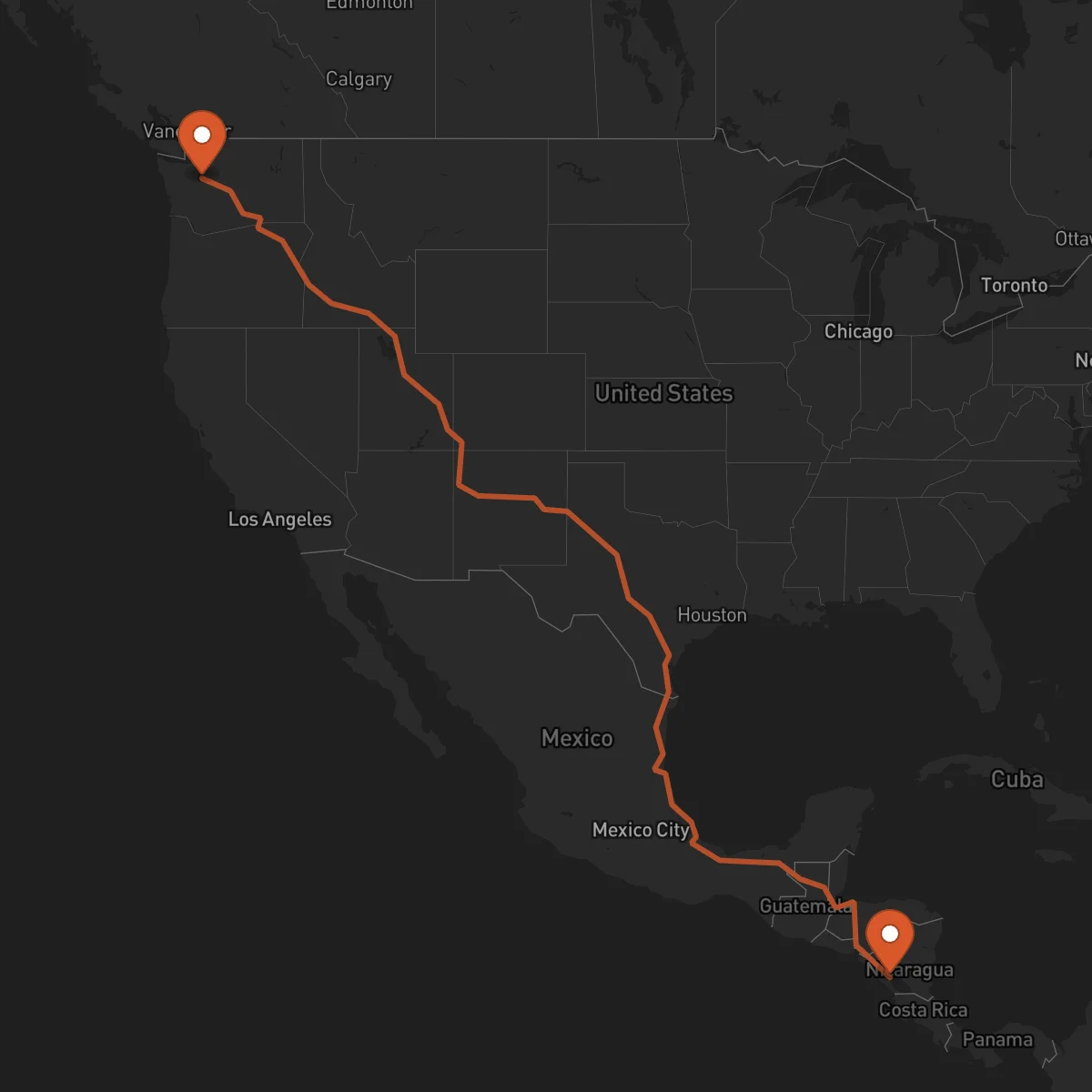
Granada to Seattle
Seattle → GranadaFTL freight transportation service between Granada and Seattle. Reliable logistics solutions for your business.
Route Description
Everything you need to know about the corridor Granada - Seattle
The logistics corridor connecting Granada, Nicaragua, to Seattle, Washington, represents a vital cross-border route spanning approximately 5,210 kilometers across Central America and the United States. This corridor serves as a strategic link for companies seeking to move full truckload freight between the Pacific coast of Nicaragua and one of the most important commercial gateways on the U.S. West Coast. Its significance lies in connecting the agricultural and manufacturing output of Nicaragua with the vast consumer and industrial markets of the Pacific Northwest.
Granada, situated along the shores of Lake Nicaragua, has historically been a commercial hub for the region, with an economy driven by agriculture, tourism, and light manufacturing. The main industries utilizing this corridor include agricultural producers exporting coffee, sugar, and other tropical goods, as well as manufacturers of textiles and consumer products. On the U.S. side, Seattle and the surrounding Puget Sound region host a diverse economic landscape that includes technology, aerospace, retail distribution, and import-export operations, all of which generate consistent demand for reliable freight transportation.
The transportation infrastructure supporting this corridor includes Nicaragua's primary highway network connecting Granada to the Pan-American Highway, which facilitates south-to-north movement through Central America. Key border crossings along the route include the Mexico-Guatemala border and the U.S.-Mexico border crossings, particularly those in Texas and Arizona, which are critical checkpoints for customs clearance and compliance. Once freight enters the United States, Interstate 5 serves as the primary northbound artery leading directly to the Seattle metropolitan area. Each border crossing requires careful documentation, customs brokerage, and adherence to regulations from multiple national authorities, making experienced coordination essential.
At Control Terrestre, we facilitate operations along this corridor through our alliance of experienced and strategic transportation providers. We offer dedicated full truckload (FTL) services designed to ensure your cargo moves efficiently from origin to destination. Our providers hold key certifications including C-TPAT, FAST, and BASC, which help streamline border crossings and enhance supply chain security. Whether you require dry van, refrigerated, or specialized equipment, we work to connect your freight with the right solution for every segment of this cross-border journey.
Services for this Route
Available services for the corridor Granada - Seattle
 Origin
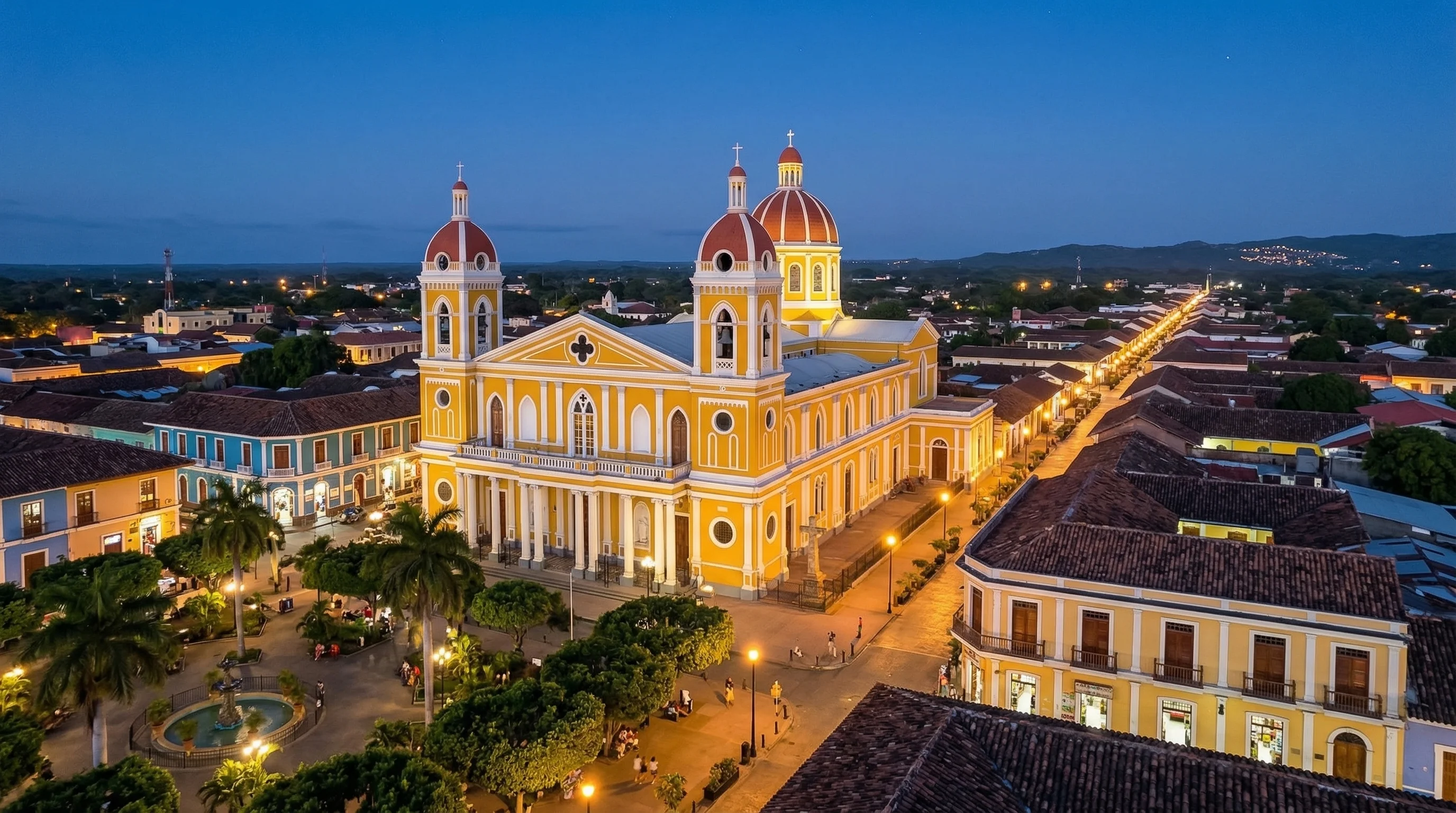
Granada, located in western Nicaragua along the shores of Lake Nicaragua, holds a strategic position for logistics operations in Central America. As one of the country's most historically significant commercial centers, Granada serves as a gateway for the movement of goods from Nicaragua's agricultural heartland and manufacturing zones toward international markets. The city's proximity to the Pan-American Highway provides direct access to northbound freight routes extending through Central America and into Mexico. Key economic sectors in the Granada region include agriculture—particularly coffee, sugarcane, and livestock—as well as tourism, construction materials, and light manufacturing. The available transportation infrastructure consists of Nicaragua's national highway system, which connects Granada to Managua and onward to border crossings with Honduras and Costa Rica, enabling efficient overland freight movement toward North American destinations.
 Destination
Seattle
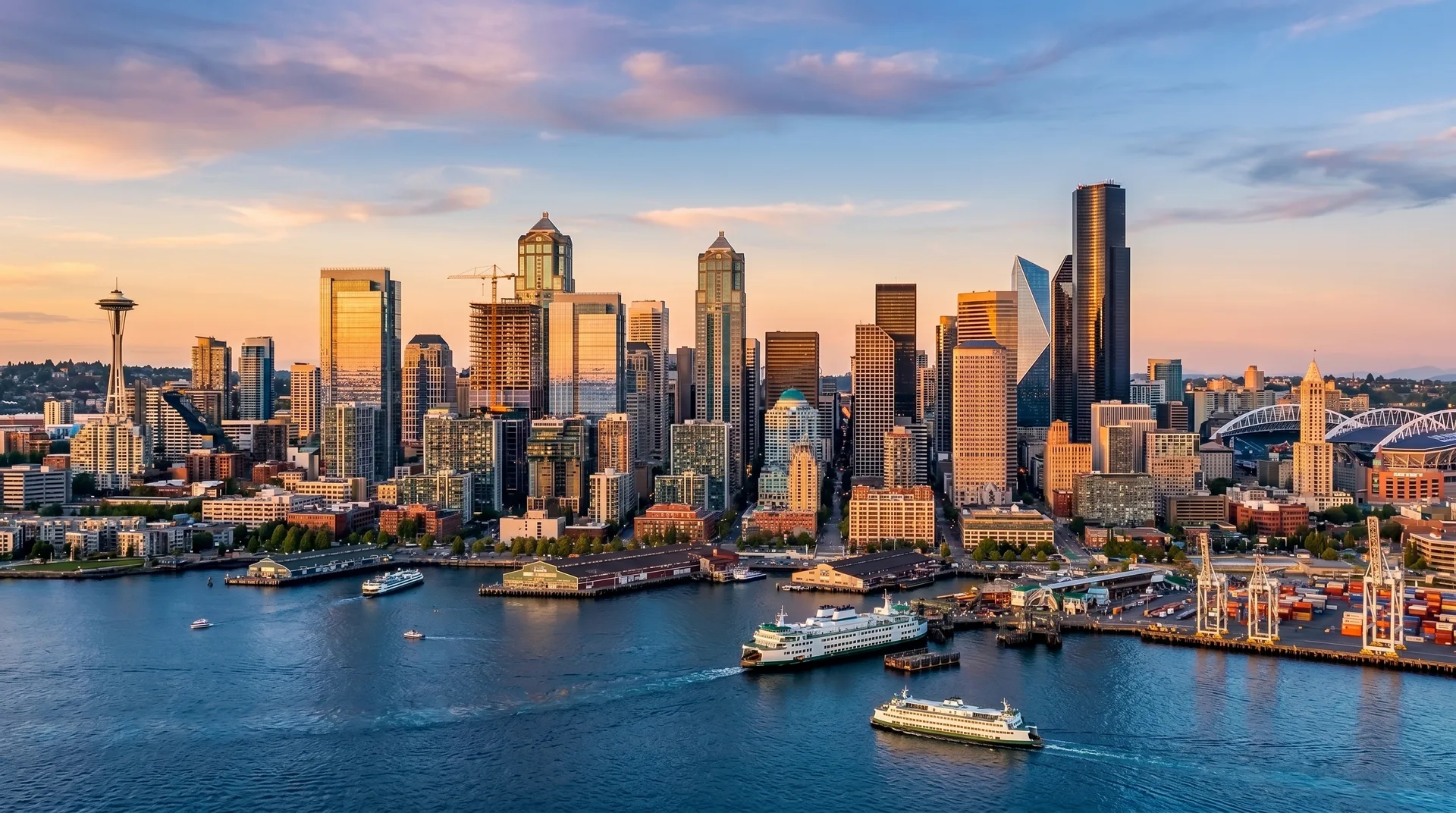
Seattle, Washington, stands as one of the most strategically important logistics destinations on the U.S. West Coast. Located on the Puget Sound, the Seattle metropolitan area serves as a major gateway for international trade, with the Port of Seattle and Port of Tacoma together forming one of the largest container port complexes in North America. The region's economy is driven by diverse industries including technology, aerospace, retail distribution, food processing, and import-export operations. Major companies headquartered or operating large distribution centers in the area generate consistent demand for full truckload freight services. Seattle's transportation infrastructure is robust, anchored by Interstate 5 as the primary north-south corridor, complemented by Interstate 90 for eastbound connections and an extensive network of state highways. The region's rail connections and intermodal facilities further enhance its role as a critical logistics hub for the Pacific Northwest.










