
Granada to Miami
Miami → GranadaFTL freight transportation service between Granada and Miami. Reliable logistics solutions for your business.
Route Description
Everything you need to know about the corridor Granada - Miami
The logistics corridor connecting Granada, Nicaragua to Miami, Florida represents a vital trade link between Central America and the United States. This 1652 km route facilitates the movement of goods from Nicaragua's growing manufacturing and agricultural sectors to one of the most important commercial hubs in the southeastern United States. The corridor traverses diverse landscapes and crosses multiple borders, requiring specialized logistics expertise to ensure efficient and compliant freight transportation.
The route primarily utilizes the CA-1 Pan-American Highway through Nicaragua and Honduras, connecting to Mexican Federal Highways 180 and 186 before crossing into the United States via Texas. From there, Interstate 10 and Interstate 75 provide direct access to Miami. This corridor serves industries including textiles, electronics, automotive parts, and agricultural products, with Miami acting as a gateway for distribution throughout the southeastern United States and beyond.
Control Terrestre specializes in managing cross-border FTL operations along this corridor, leveraging our extensive network of certified carriers and our expertise in customs procedures. Our C-TPAT certified partners ensure expedited processing at border crossings, while our real-time tracking capabilities provide visibility throughout the journey. We understand the complexities of international freight between Nicaragua and the United States, including documentation requirements, customs regulations, and the specific needs of time-sensitive cargo, making us the ideal partner for companies seeking reliable transportation solutions on this critical trade route.
Services for this Route
Available services for the corridor Granada - Miami
 Origin
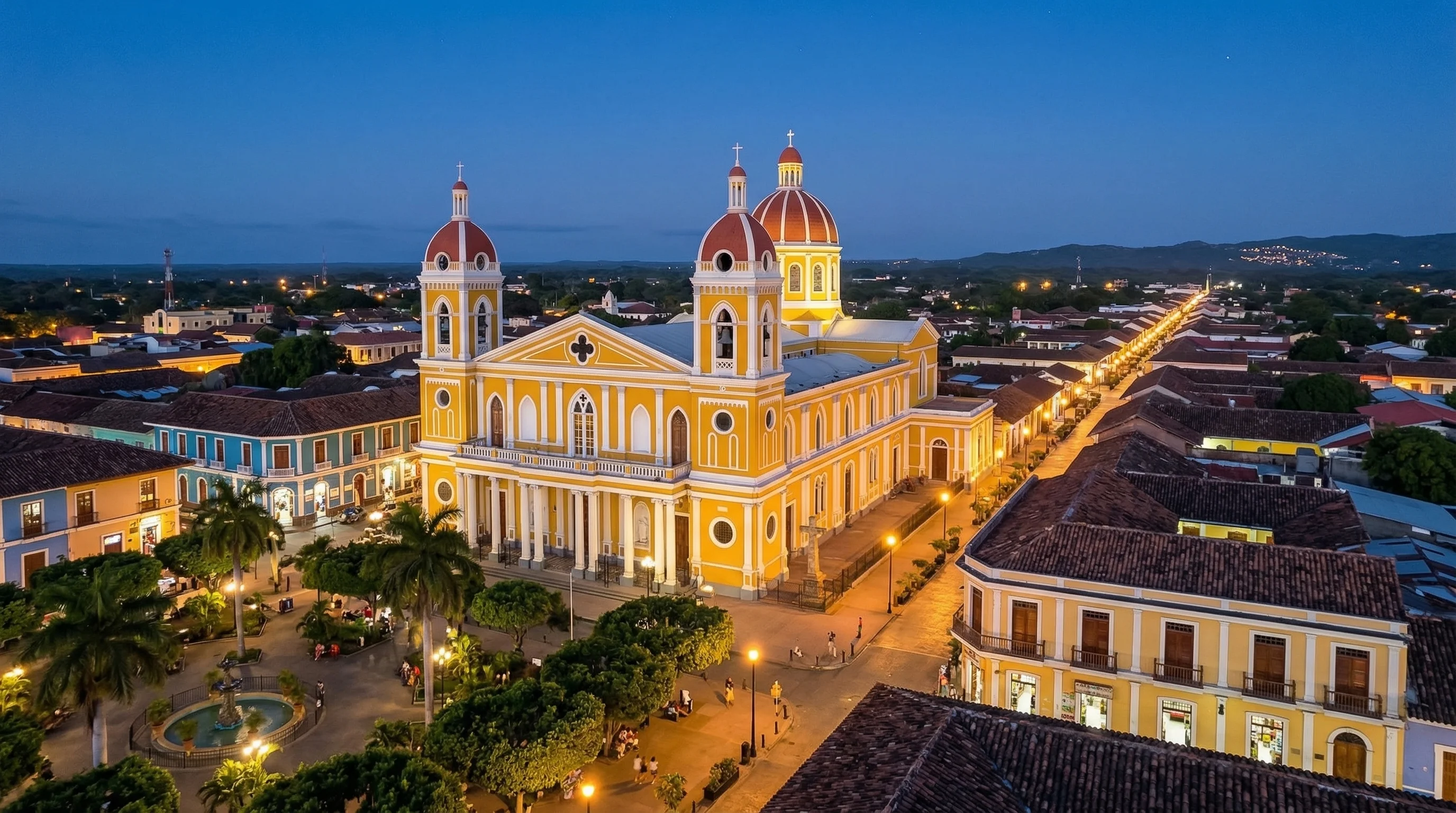
Granada, located in western Nicaragua near Lake Nicaragua, serves as a strategic logistics hub for the country's exports. The city benefits from its proximity to Managua's international airport and seaport facilities, providing multimodal transportation options. Granada's economy is anchored in tourism, agriculture, and emerging manufacturing sectors, with growing exports of textiles, furniture, and agricultural products including coffee, sugar, and rum. The city's transportation infrastructure includes the Pan-American Highway (CA-1) and connections to the Port of Corinto, Nicaragua's principal maritime gateway. Granada's location offers efficient access to both domestic markets and international shipping routes, making it an ideal origin point for freight destined for the United States.
 Destination
Miami
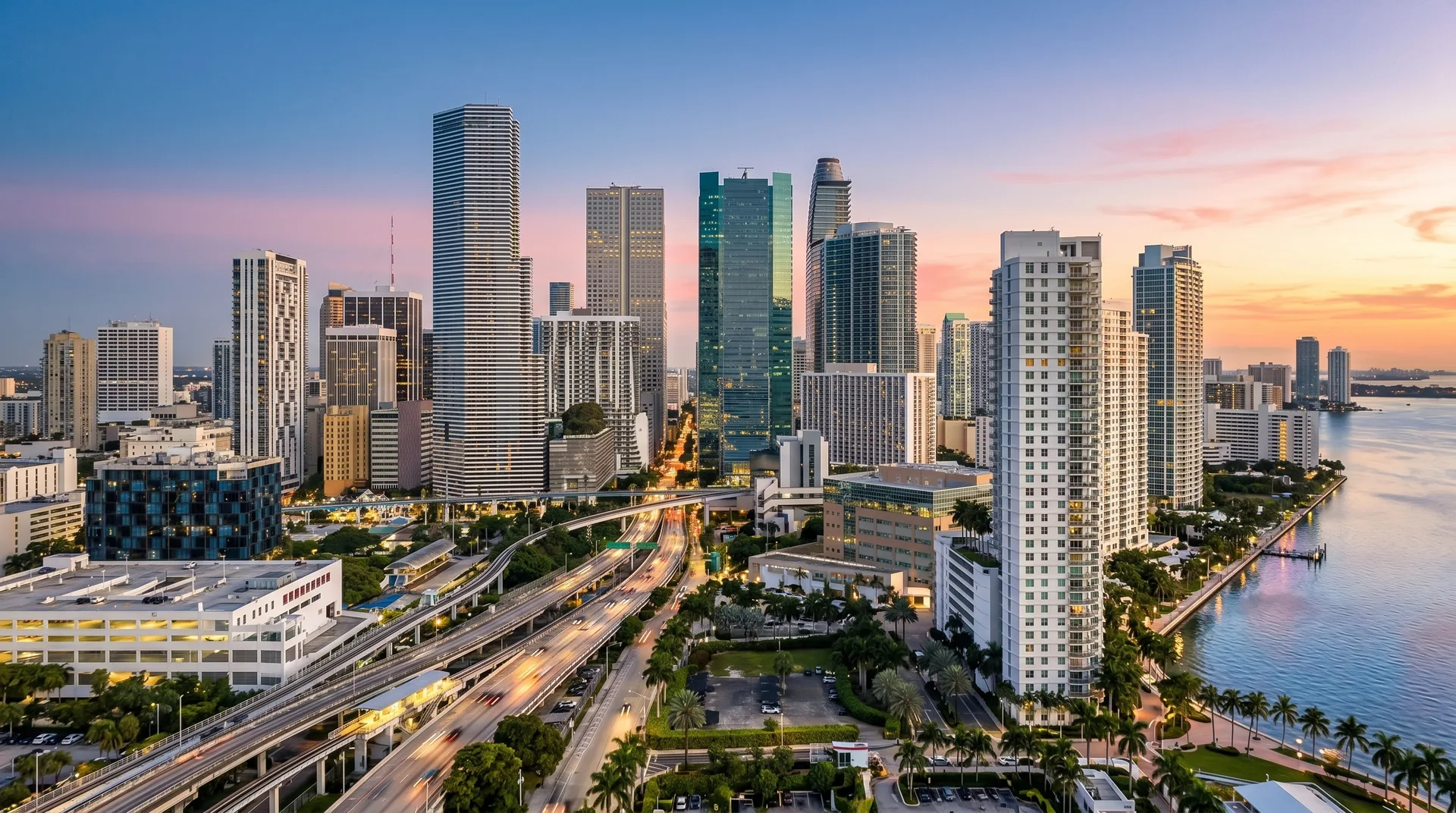
Miami, Florida stands as one of the most strategic logistics hubs in the United States, serving as the primary gateway between North America and Latin America. The city's PortMiami and Miami International Airport rank among the busiest in the nation for international cargo, handling millions of tons of freight annually. Miami's economy thrives on international trade, tourism, finance, and logistics, with a diverse industrial base that includes pharmaceuticals, electronics, and perishable goods. The city's extensive transportation infrastructure includes major interstate highways (I-95, I-75, I-10), rail connections, and proximity to the Everglades Logistics Center, one of the largest industrial parks in the southeastern United States. Miami's strategic location provides efficient distribution throughout the eastern United States and serves as a critical entry point for goods entering the US market.










