
Gracias to Raleigh
Raleigh → GraciasFTL freight transportation service between Gracias and Raleigh. Reliable logistics solutions for your business.
Route Description
Everything you need to know about the corridor Gracias - Raleigh
The logistics corridor connecting Gracias, Honduras to Raleigh, North Carolina represents a vital trade link between Central America and the southeastern United States. This 2,556-kilometer route traverses multiple countries and serves as a critical pathway for goods moving between these two regions. The corridor facilitates the movement of diverse cargo types, from agricultural products to manufactured goods, supporting economic growth on both ends of the supply chain.
The route follows major transportation arteries through Honduras, Guatemala, Mexico, and the United States. Key highways include CA-4 through Central America, connecting to Mexican Federal Highways 180 and 190, before transitioning to US Interstate 85 and local North Carolina routes. This comprehensive network ensures reliable freight movement across international borders. The corridor's significance is amplified by its role in supporting trade agreements and fostering economic integration between the participating nations.
Control Terrestre specializes in managing the complexities of this cross-border corridor, offering full truckload (FTL) services that ensure cargo moves efficiently from origin to destination. Our expertise in handling customs documentation, border crossing procedures, and regulatory compliance eliminates common bottlenecks in international shipping. We coordinate with trusted partners throughout the route to provide seamless door-to-door service, monitoring shipments in real-time and addressing any issues that may arise during transit. This comprehensive approach allows businesses to focus on their core operations while we handle the logistics intricacies of this important trade route.
Services for this Route
Available services for the corridor Gracias - Raleigh
 Origin
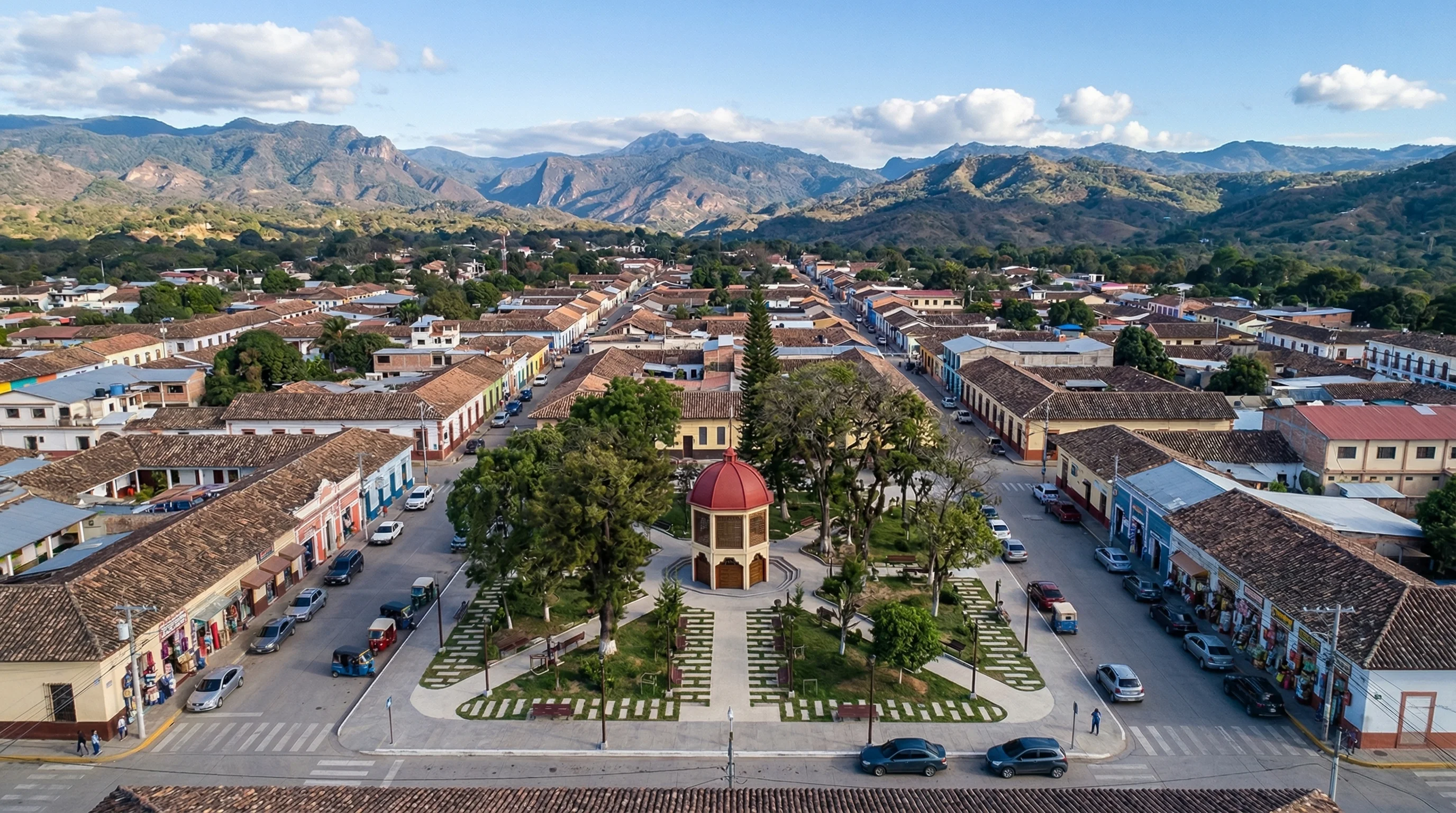
Gracias, located in the Lempira department of western Honduras, serves as a strategic logistics hub despite its relatively small size. The city's position in the highlands provides access to agricultural products from the surrounding region, including coffee, vegetables, and other export commodities. Its location near the border with Guatemala makes it a natural starting point for cross-border freight movements. The area's economy is primarily based on agriculture, with coffee production being particularly significant, alongside growing light manufacturing and artisanal industries that require reliable transportation to international markets.
The transportation infrastructure in Gracias includes access to the CA-4 highway network, which connects to major routes throughout Central America. While the city itself is somewhat remote, its road connections to San Pedro Sula and the Guatemalan border provide essential links to broader distribution networks. Local warehousing and cargo consolidation facilities support the preparation of goods for international shipment. The region's developing logistics sector continues to expand, with increased investment in transportation services to meet growing export demands from western Honduras.
 Destination
Raleigh
Raleigh, the capital city of North Carolina, stands as a major logistics and distribution center in the southeastern United States. Located at the intersection of major transportation corridors, including I-40, I-85, and I-95, Raleigh offers exceptional connectivity to both coastal ports and inland markets. The Research Triangle area, which includes Raleigh, Durham, and Chapel Hill, has developed into a significant economic powerhouse with strengths in technology, pharmaceuticals, education, and advanced manufacturing. This diverse industrial base creates substantial demand for reliable freight transportation services.
The city benefits from proximity to major East Coast ports such as Wilmington and Norfolk, while also serving as a distribution hub for the broader southeastern region. Raleigh's infrastructure includes modern warehousing facilities, intermodal terminals, and a well-maintained highway network that supports efficient cargo movement. The presence of Raleigh-Durham International Airport further enhances the region's logistics capabilities, providing air freight options for time-sensitive shipments. The area's robust economy and strategic location make it an ideal destination for goods arriving from international markets, with businesses relying on consistent, high-quality transportation services to maintain their supply chains.










