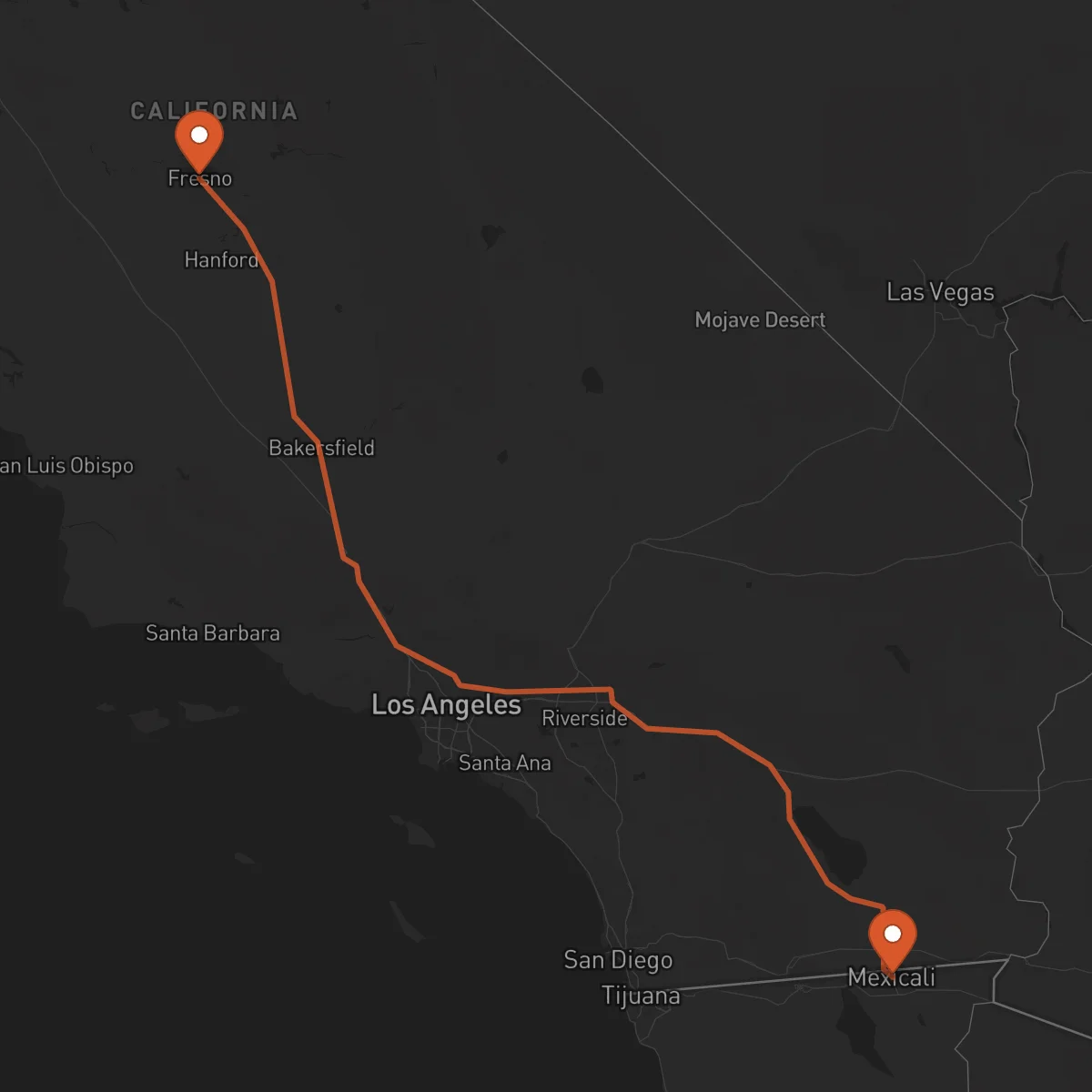
Fresno to Mexicali
Mexicali → FresnoFTL freight transportation service between Fresno and Mexicali. Reliable logistics solutions for your business.
Route Description
Everything you need to know about the corridor Fresno - Mexicali
The logistics corridor between Fresno, California and Mexicali, Baja California represents a vital cross-border connection for freight transportation between the United States and Mexico. This 606-kilometer route links the productive Central Valley of California with the industrial hub of Mexicali, facilitating the movement of goods that drive both regional economies. The corridor traverses diverse terrain, connecting agricultural powerhouses with manufacturing centers and enabling seamless trade between two nations.
The economic significance of this corridor is substantial, serving as a bridge between Fresno's agricultural and food processing industries and Mexicali's growing manufacturing and export sectors. Fresno, located in California's Central Valley, is one of the most productive agricultural regions in the world, while Mexicali has established itself as a key manufacturing center, particularly in aerospace, electronics, and automotive components. This complementary economic relationship makes the Fresno-Mexicali corridor essential for supply chain operations.
Key industries utilizing this transportation route include agricultural products, processed foods, automotive parts, electronics, and industrial equipment. The corridor primarily uses major highways including Interstate 5 (I-5) south from Fresno, transitioning to Interstate 10 (I-10) east toward the California-Mexico border. The main border crossing at Calexico-Mexicali facilitates the majority of cross-border freight movement, with efficient customs processing being crucial for maintaining supply chain momentum.
Control Terrestre specializes in managing the complexities of this cross-border corridor, offering dedicated full truckload (FTL) services that ensure cargo moves efficiently from origin to destination. Our expertise in customs procedures, border documentation, and regulatory compliance helps clients navigate the intricacies of international freight transportation. With our network of certified carriers and deep understanding of both U.S. and Mexican transportation regulations, we provide reliable, secure transportation solutions that keep goods moving across this vital economic bridge.
Services for this Route
Available services for the corridor Fresno - Mexicali
 Origin
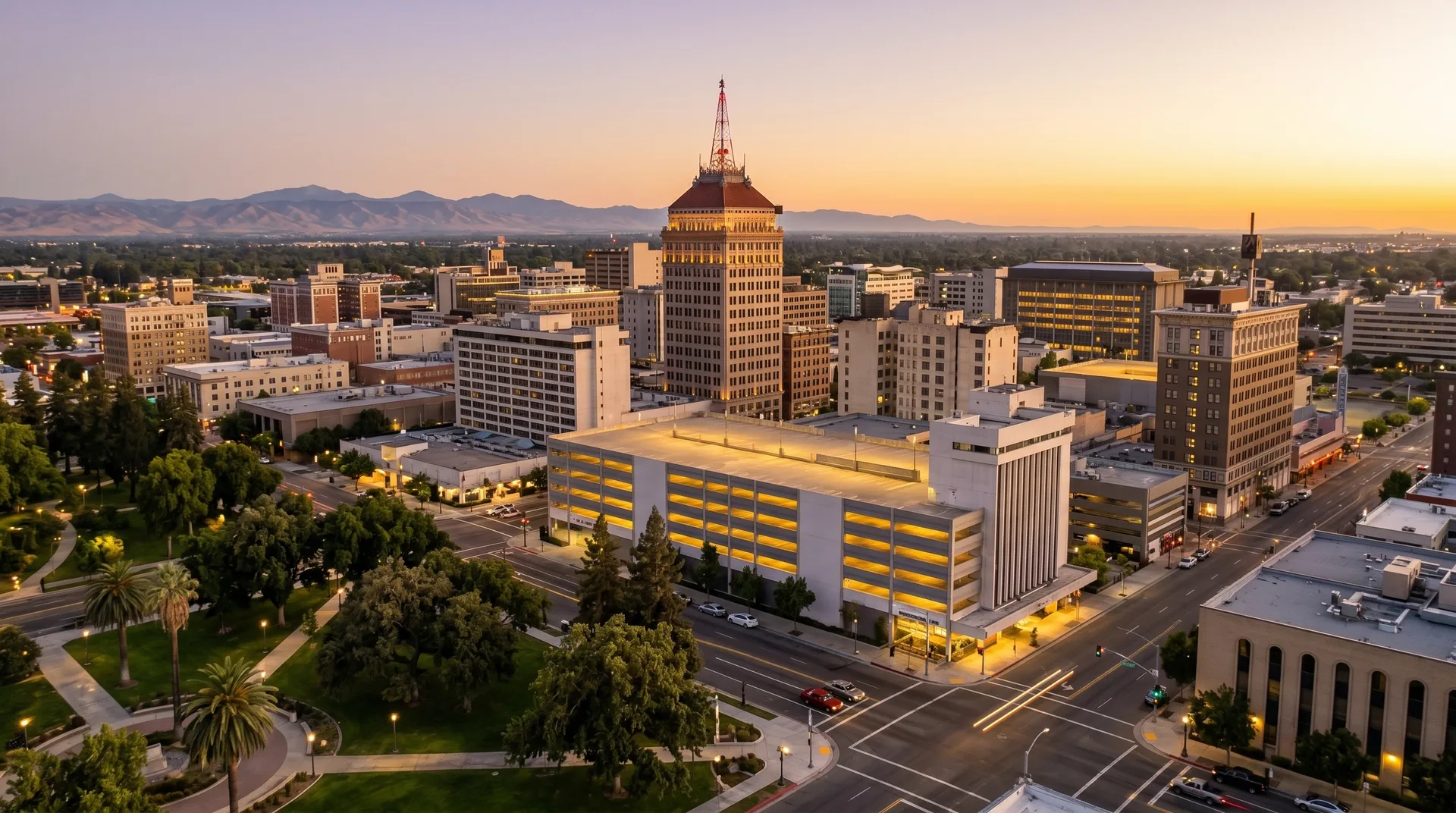
Fresno
Fresno, California serves as a strategic logistics hub in the heart of the Central Valley, one of the most productive agricultural regions in the United States. The city's location provides excellent connectivity to major markets throughout California and beyond, with direct access to Interstate 5 and State Route 99. Fresno's transportation infrastructure includes the Fresno Yosemite International Airport, Union Pacific and BNSF rail services, and a network of highways that facilitate efficient distribution throughout the West Coast and nationwide.
The region's economy is dominated by agriculture, food processing, and manufacturing. Fresno is a leading producer of grapes, almonds, pistachios, dairy products, and various fruits and vegetables. The food processing industry is particularly robust, with numerous facilities that package, freeze, and process agricultural products for distribution. Additionally, the area has growing sectors in manufacturing, distribution, and technology, creating diverse freight transportation needs that require reliable logistics solutions.
 Destination
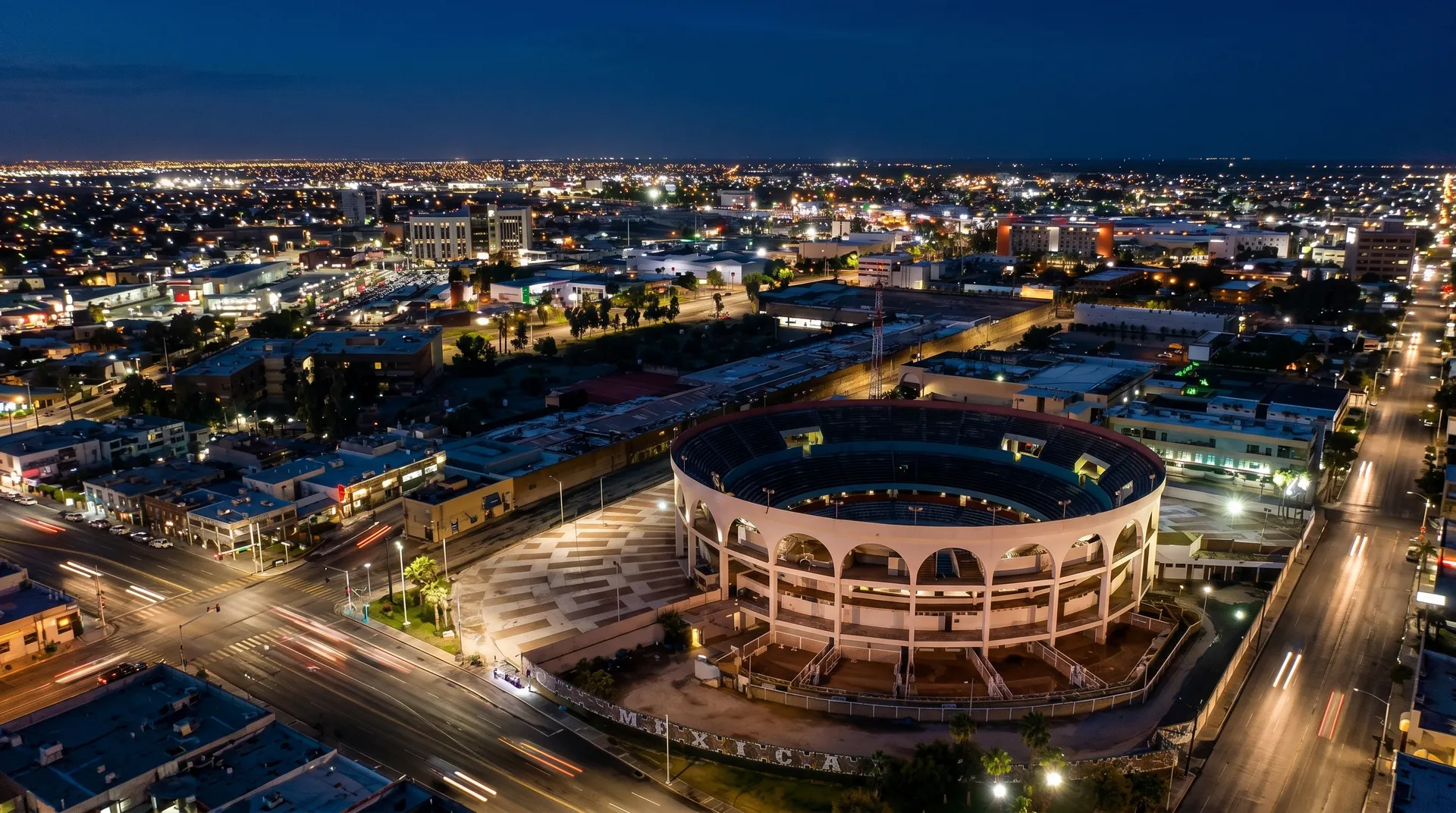
Mexicali
Mexicali, Baja California stands as a strategic logistics gateway on Mexico's northern border, offering direct access to major U.S. markets while serving as a manufacturing powerhouse. The city's location on the U.S.-Mexico border provides unique advantages for cross-border trade, with the Calexico-Mexicali port of entry handling significant commercial traffic daily. Mexicali's transportation infrastructure includes proximity to major Mexican highways (Federal Highway 5 and Federal Highway 2), the Mexicali International Airport, and rail connections that link to Mexico's broader transportation network.
The city has developed into a major industrial center, particularly in aerospace, automotive, electronics, and medical device manufacturing. The presence of numerous maquiladoras (manufacturing plants) creates substantial freight movement, with many companies leveraging Mexicali's proximity to U.S. markets while benefiting from Mexico's manufacturing capabilities. The region's economic development has been further enhanced by trade agreements and the city's designation as a strategic industrial zone, making it an increasingly important destination for freight transportation from the United States.










