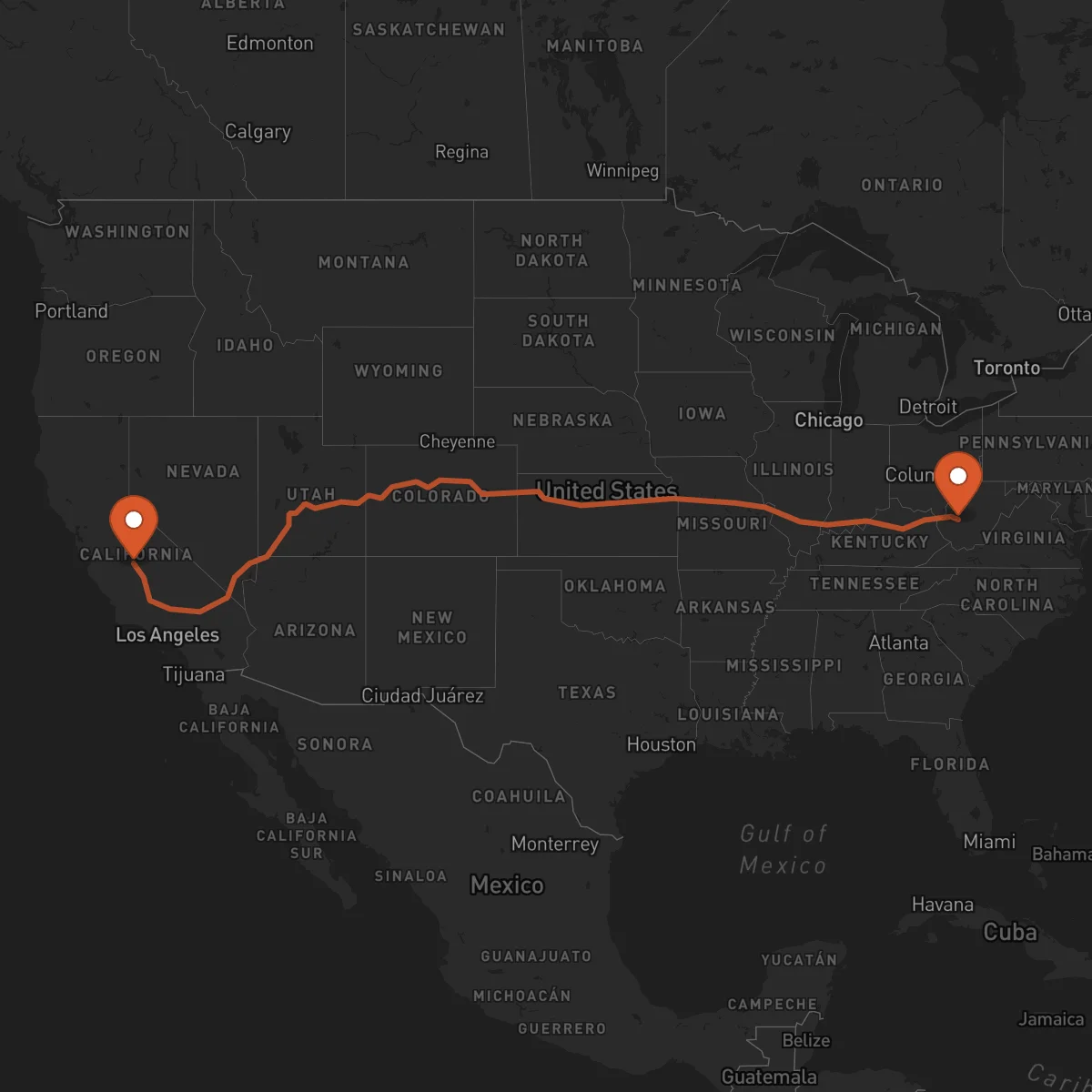
Fresno to Charleston
Charleston → FresnoFTL freight transportation service between Fresno and Charleston. Reliable logistics solutions for your business.
Route Description
Everything you need to know about the corridor Fresno - Charleston
The logistics corridor between Fresno, California and Charleston, West Virginia represents a vital connection across the United States, spanning approximately 3,345 kilometers through diverse terrains and economic regions. This transcontinental route traverses the heart of America, linking the agricultural powerhouse of California's Central Valley with the industrial and commercial hub of West Virginia. The corridor serves as a critical artery for freight movement, connecting the West Coast's export capabilities with the Eastern Seaboard's distribution networks.
The economic significance of this corridor cannot be overstated. Fresno stands as one of America's leading agricultural centers, producing a vast array of commodities from fruits and vegetables to dairy products and nuts. Meanwhile, Charleston serves as a key distribution point for the Appalachian region, with strong presence in manufacturing, energy, and healthcare sectors. This complementary economic relationship creates substantial freight demand moving in both directions along this route.
Major industries utilizing this corridor include agriculture and food production, manufacturing, automotive parts, retail distribution, and industrial equipment. The route particularly benefits from the movement of perishable goods from California's Central Valley, manufactured products from the Midwest, and specialized equipment for the energy sector. Seasonal variations in agricultural production create predictable freight patterns that experienced logistics providers can optimize.
Control Terrestre facilitates seamless operations on this corridor through our network of certified transportation providers. Our strategic partnerships ensure reliable full truckload (FTL) service with the appropriate equipment for diverse cargo types. We understand the unique challenges of this transcontinental route, including varying state regulations, weather considerations, and the need for precise scheduling to maintain supply chain integrity.
Services for this Route
Available services for the corridor Fresno - Charleston
 Origin
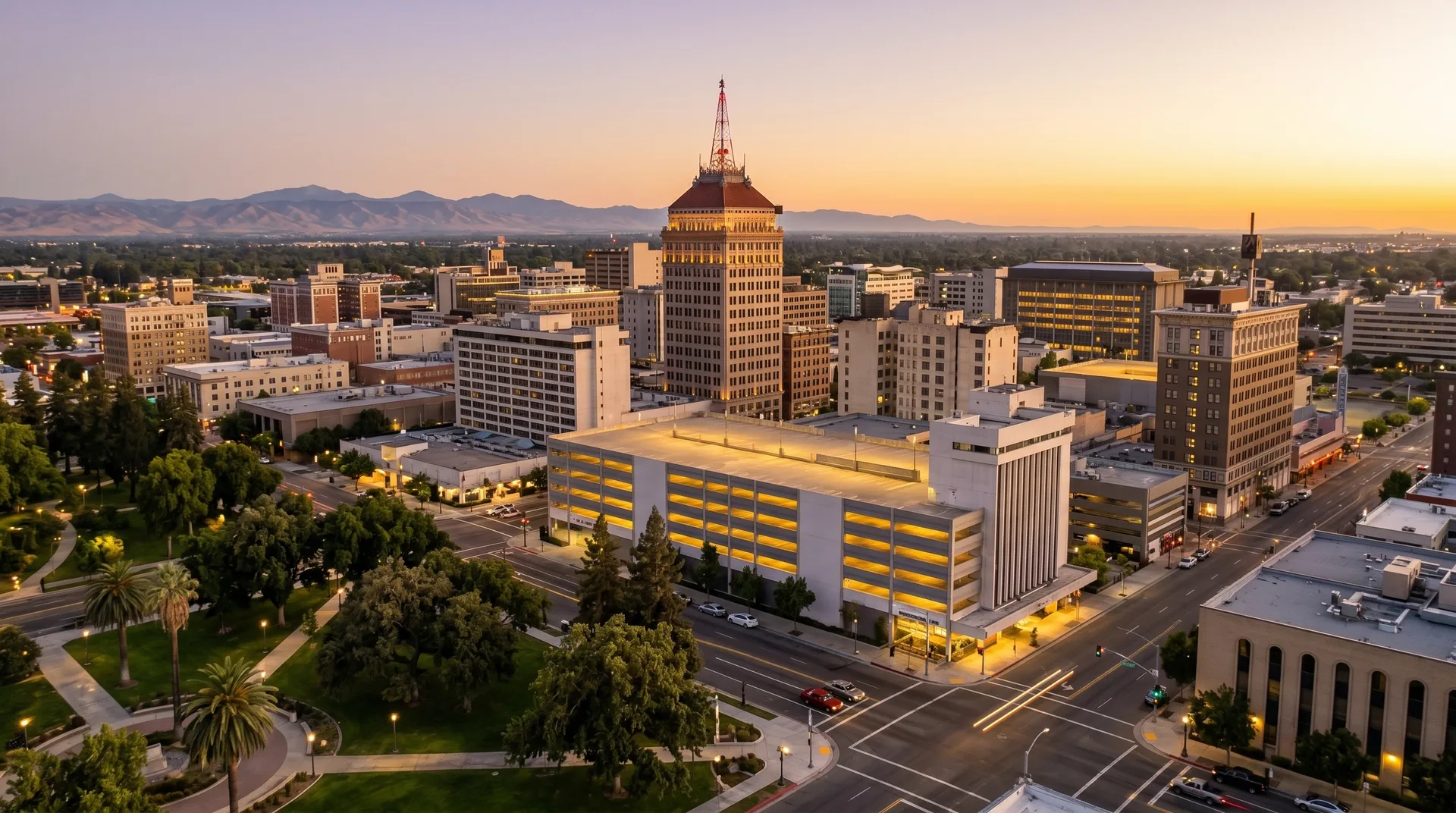
Fresno
Fresno, located in California's Central Valley, serves as a strategic logistics hub with exceptional access to major transportation networks. The city's position in the heart of one of America's most productive agricultural regions makes it a critical origin point for freight movement. Fresno benefits from proximity to major highways including State Route 99, which connects to Interstate 5, providing direct access to ports and distribution centers throughout California. The city's infrastructure includes the Fresno Yosemite International Airport and connections to rail networks through Union Pacific and BNSF railroads.
The economic base of Fresno centers on agriculture, food processing, and distribution. The region produces over 250 commercial crops, making it one of the most agriculturally diverse areas in the world. Major employers include agricultural cooperatives, food processing plants, and logistics companies that support the movement of fresh produce, dairy products, and processed foods. The presence of California State University, Fresno also contributes to a skilled workforce supporting the logistics and transportation sectors.
 Destination
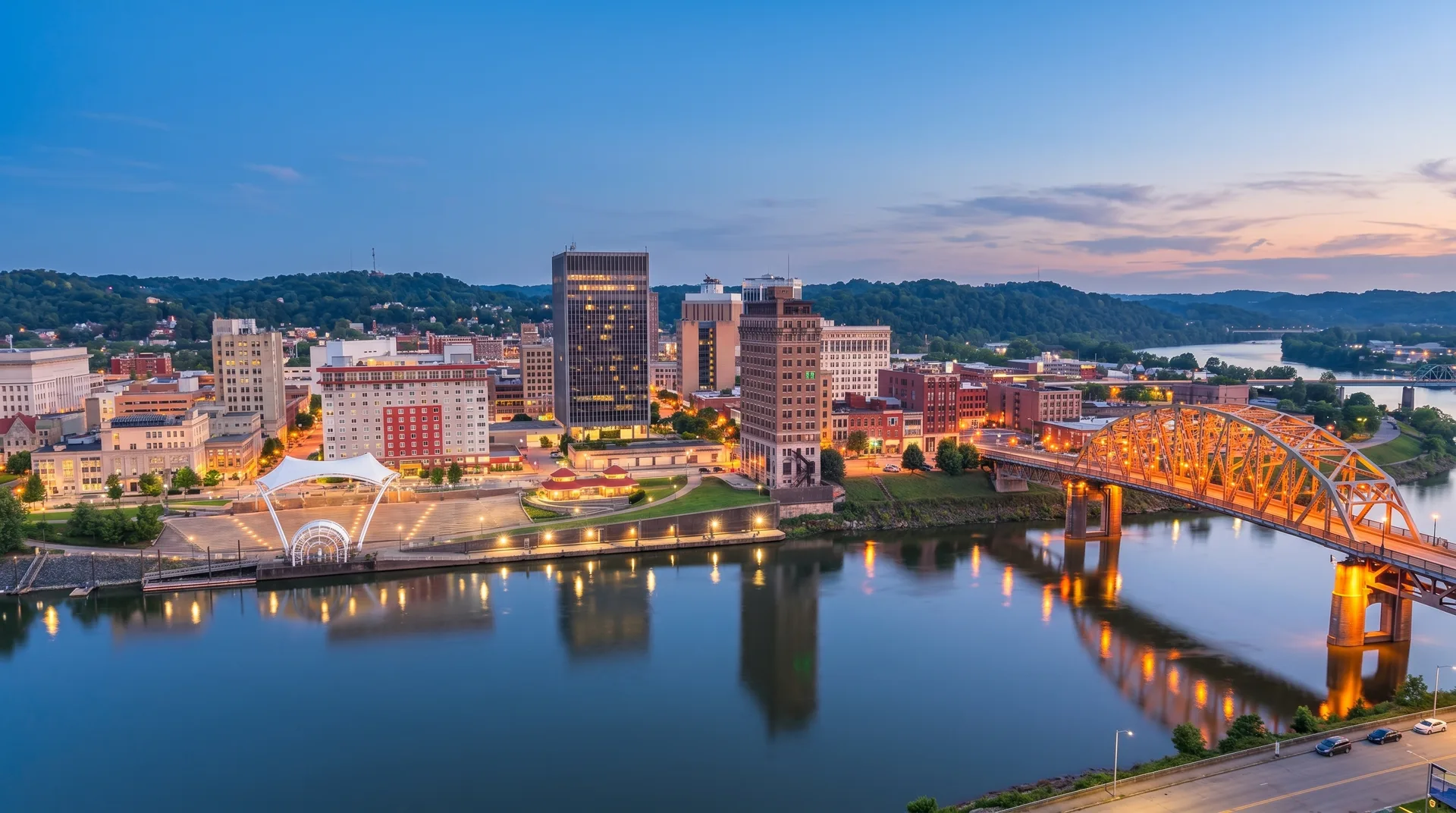
Charleston
Charleston, West Virginia, strategically positioned in the Appalachian region, serves as a vital logistics and distribution center for the eastern United States. The city's location at the confluence of the Elk and Kanawha rivers provides natural transportation advantages, while modern infrastructure includes access to Interstate 64, Interstate 77, and Interstate 79. Yeager Airport offers air cargo capabilities, and the Port of Huntington-Tristate provides inland port services for barge transportation.
The Charleston metropolitan area has a diverse economic base with strong presence in energy, healthcare, manufacturing, and retail distribution. The region's energy sector, particularly natural gas and coal, creates substantial freight demand for specialized equipment and materials. Major employers include healthcare systems, state government, and manufacturing companies producing chemicals, machinery, and consumer goods. The city's central location in the eastern U.S. makes it an ideal distribution point for companies serving the Midwest and Northeast markets.










