
Flores to Sioux Falls
Sioux Falls → FloresFTL freight transportation service between Flores and Sioux Falls. Reliable logistics solutions for your business.
Route Description
Everything you need to know about the corridor Flores - Sioux Falls
The logistics corridor connecting Flores, Petén, Guatemala to Sioux Falls, South Dakota represents a vital cross-border freight route spanning approximately 3,030 kilometers through the heart of North America. This corridor serves as a critical link between Central America's growing export markets and the industrial Midwest of the United States. The route traverses diverse terrain and crosses multiple international borders, requiring specialized expertise in cross-border logistics and customs compliance. Control Terrestre's extensive network of certified carriers ensures seamless transportation across this challenging corridor, maintaining the integrity of temperature-sensitive and specialized cargo throughout the journey.
The economic significance of this corridor continues to grow as trade between Guatemala and the United States expands. Flores serves as a strategic gateway for agricultural products, textiles, and manufactured goods from the Petén region, while Sioux Falls represents a major distribution hub for the Upper Midwest's manufacturing, healthcare, and retail sectors. The corridor facilitates the movement of everything from fresh produce and frozen foods to industrial equipment and consumer goods, supporting the supply chains of numerous multinational companies operating in both countries.
Key transportation infrastructure along this route includes Mexico's Federal Highway 190 and Federal Highway 85, connecting to major US interstates such as I-29 and I-90. The corridor typically crosses at major border points like Laredo/Nuevo Laredo or El Paso/Juárez, where Control Terrestre's C-TPAT and FAST certifications expedite customs clearance. Our team's expertise in managing the complex documentation requirements, including customs bonds, commercial invoices, and certificates of origin, ensures that shipments move efficiently through each jurisdiction without unnecessary delays.
Services for this Route
Available services for the corridor Flores - Sioux Falls
 Origin
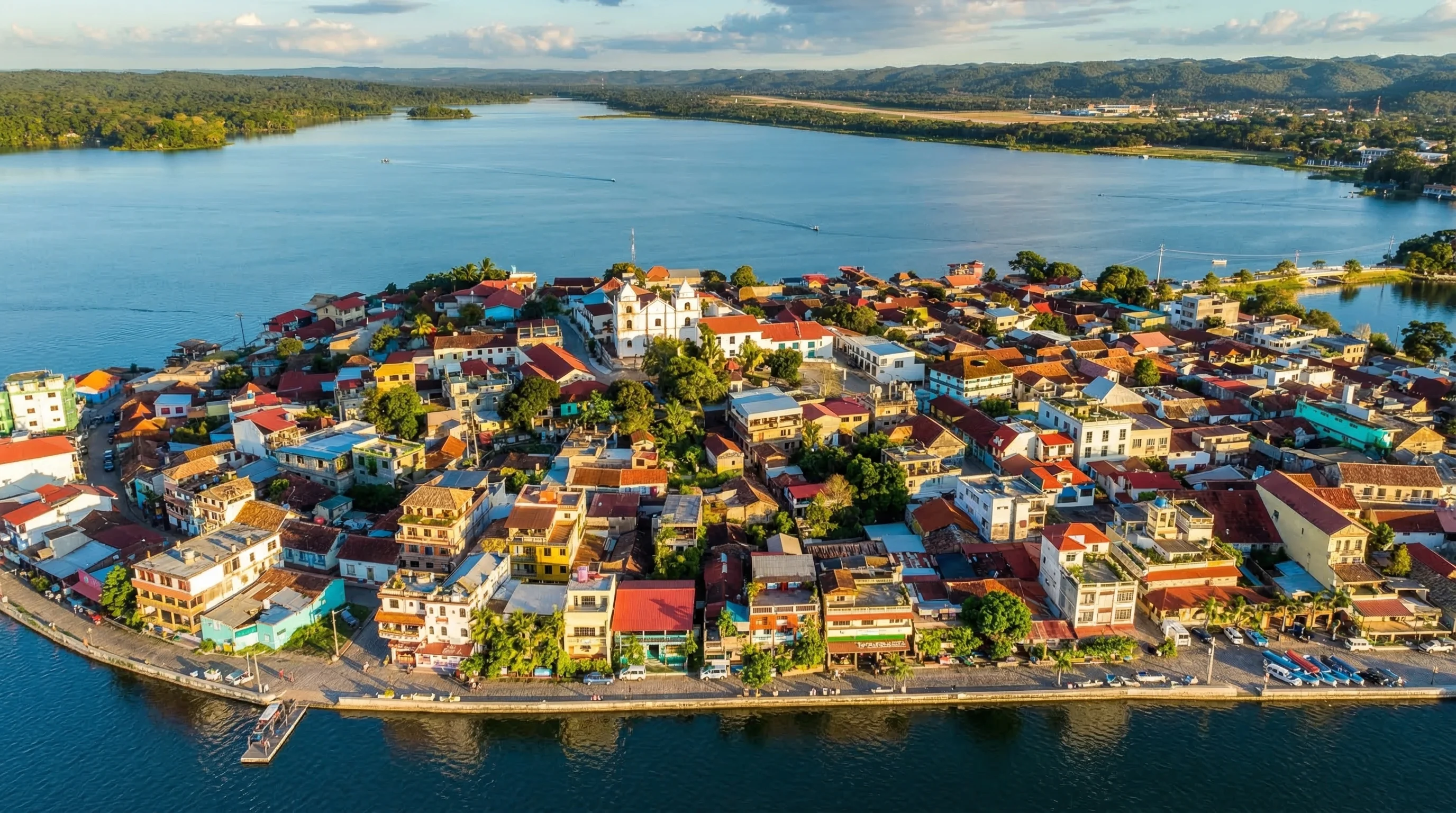
Flores, located in the Petén department of Guatemala, serves as a strategic logistics hub for northern Guatemala and neighboring regions of Belize. This island city, connected to the mainland by a causeway, provides access to the extensive agricultural production of the Petén region, including tropical fruits, timber products, and emerging agribusiness exports. The area's developing industrial parks and proximity to Mundo Maya International Airport create multimodal transportation opportunities. Flores benefits from connections to Guatemala's highway network, particularly CA-13 and CA-10, which link to major ports and border crossings. The city's location makes it an ideal origin point for exports destined for the United States and Canada, with Control Terrestre offering specialized services for handling agricultural products, ensuring proper temperature control and compliance with US import regulations.
 Destination
Sioux Falls
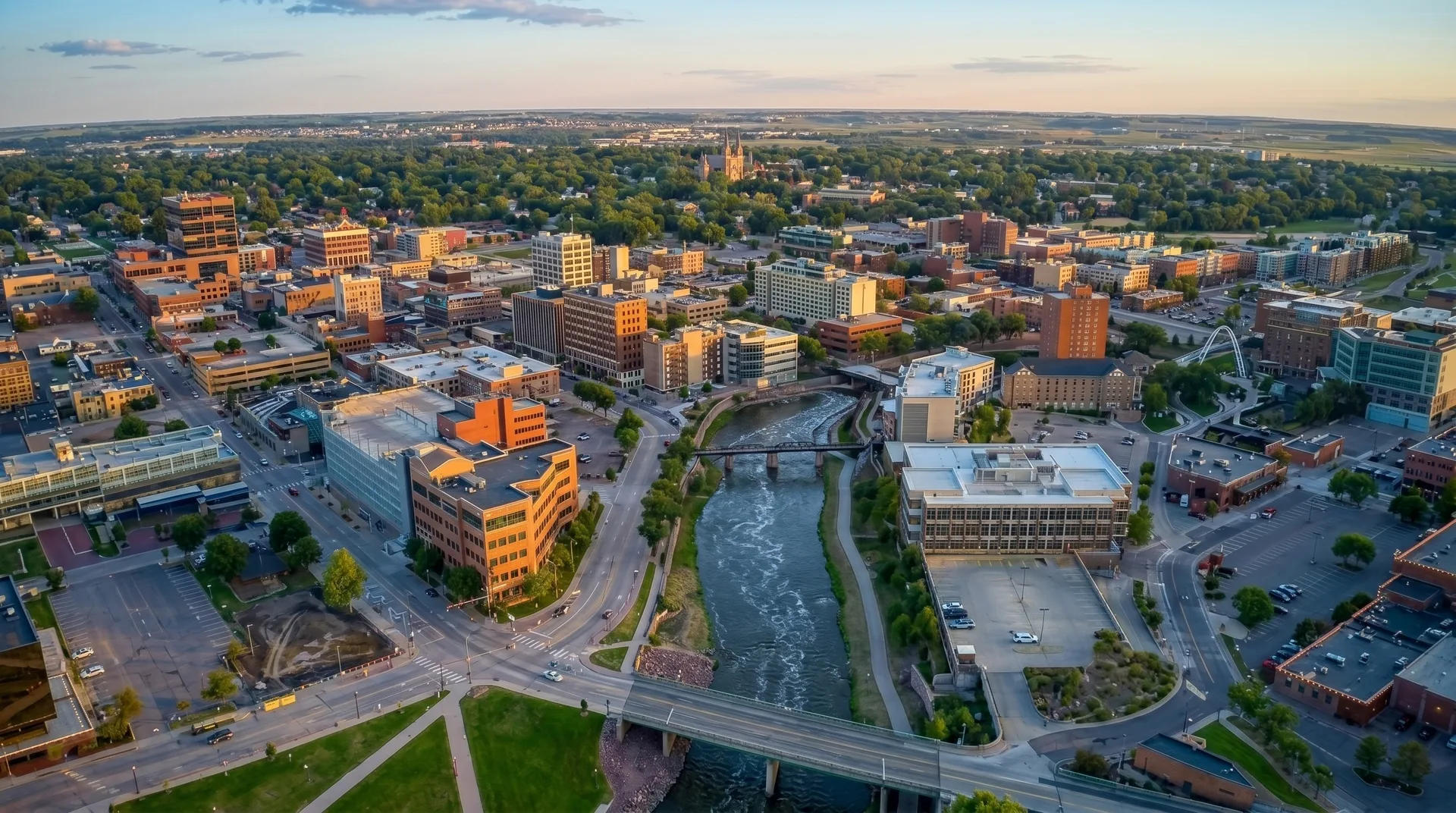
Sioux Falls, South Dakota stands as a strategic logistics center in the Upper Midwest, offering exceptional connectivity through its central continental location. The city serves as a major distribution hub for numerous Fortune 500 companies, with strong presence in financial services, healthcare, manufacturing, and retail sectors. Sioux Falls benefits from excellent transportation infrastructure, including Interstate 90 and Interstate 29, providing direct access to major markets across the Midwest and beyond. The Sioux Falls Regional Airport and nearby rail terminals complement the city's robust trucking capabilities. The region's concentration of warehousing and distribution centers, combined with South Dakota's business-friendly environment, makes Sioux Falls an ideal destination for cross-border freight. Control Terrestre's network ensures reliable delivery to this market, supporting the city's role as a key node in North American supply chains.










