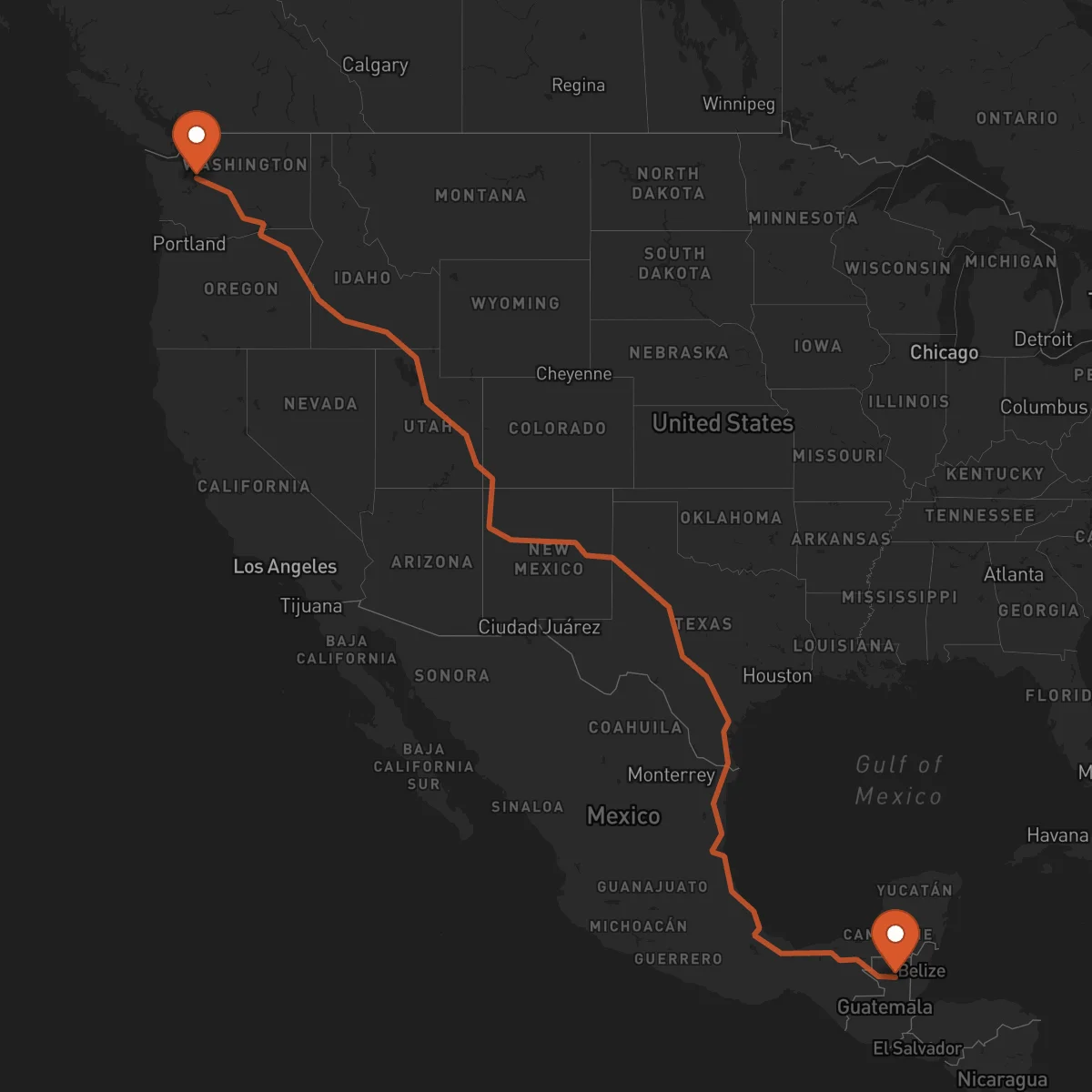
Flores to Seattle
Seattle → FloresFTL freight transportation service between Flores and Seattle. Reliable logistics solutions for your business.
Route Description
Everything you need to know about the corridor Flores - Seattle
The logistics corridor connecting Flores, Petén, Guatemala, to Seattle, Washington, United States, spans approximately 4,514 kilometers and represents a vital cross-border route linking Central America's emerging markets with one of the most dynamic commercial gateways on the U.S. West Coast. This corridor serves as a strategic artery for companies seeking to move full truckload freight between the resource-rich Petén region and the Pacific Northwest, facilitating trade in goods ranging from agricultural products to manufactured materials. Its importance continues to grow as supply chains diversify and businesses look to strengthen their North-South trade connections across the Americas.
Flores, situated in the heart of Guatemala's Petén department, acts as a key logistics hub for the region's agricultural and forestry industries. The area is known for the production of palm oil, tropical hardwoods, rubber, and a variety of tropical fruits and vegetables destined for international markets. On the U.S. end, Seattle anchors a metropolitan economy driven by technology, aerospace, seafood processing, and international trade through the Port of Seattle and Port of Tacoma. The corridor supports industries on both ends by providing a reliable overland connection that complements maritime and air freight options.
The primary overland route traverses Guatemala's CA-13 and CA-1 highways, connecting through key border crossings such as La Mesilla into Mexico, then following Mexican federal highways including the Pan-American corridor before reaching northern border crossings into the United States. From there, Interstate 5 serves as the main north-south artery running directly into the Seattle metropolitan area. Each border crossing requires careful customs coordination, proper documentation, and compliance with regulations from Guatemalan, Mexican, and U.S. authorities, including C-TPAT and FAST certifications that streamline secure and efficient transit.
At Control Terrestre, we facilitate operations along this corridor through our alliance of experienced transportation providers who understand the complexities of cross-border freight movement. We offer dedicated full truckload (FTL) services with equipment options including 53' dry vans, refrigerated units, and flatbeds, ensuring your cargo moves seamlessly from origin to destination. Our providers hold certifications such as C-TPAT, FAST, and BASC, giving you confidence in secure, compliant, and efficient transportation across every segment of the route.
Services for this Route
Available services for the corridor Flores - Seattle
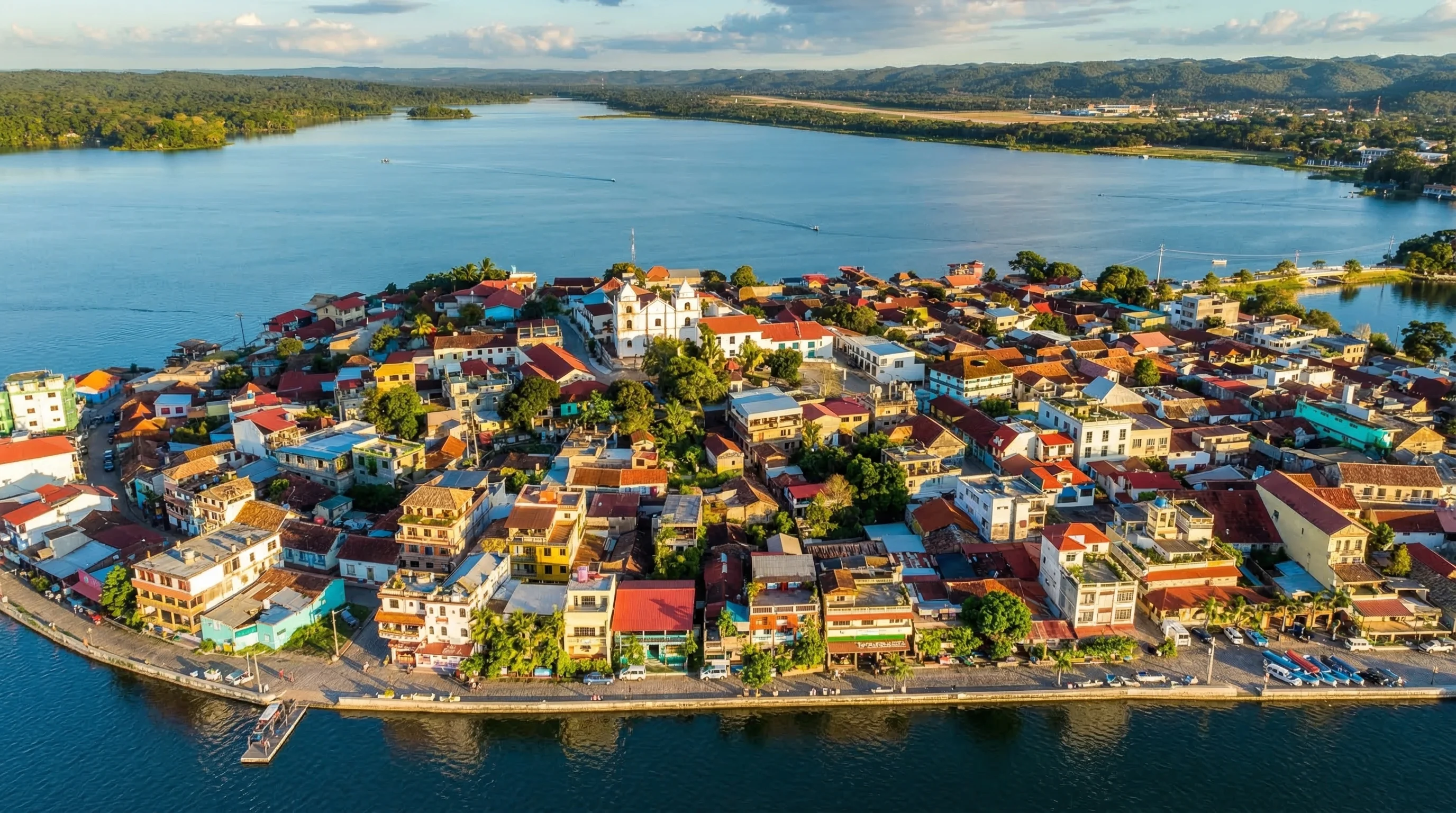 Origin
Flores, the capital of Guatemala's Petén department, occupies a strategic position in northern Guatemala as the commercial and logistical center of one of Central America's most resource-rich regions. Located on an island in Lake Petén Itzá, Flores serves as the gateway to the vast Petén lowlands, an area known for large-scale agricultural production including African palm oil, rubber, tropical hardwoods, and a growing variety of tropical fruits and vegetables. The region's economy is also supported by forestry, livestock, and an expanding tourism sector centered around the ancient Maya archaeological sites of Tikal and surrounding areas. Transportation infrastructure in Flores connects to the national highway network via CA-13, which links to the CA-1 Pan-American Highway, providing overland access southward to Guatemala City and northward toward the Mexican border at La Mesilla. While the region continues to develop its logistics infrastructure, Flores remains a critical origin point for companies exporting agricultural and natural resource products to North American markets.
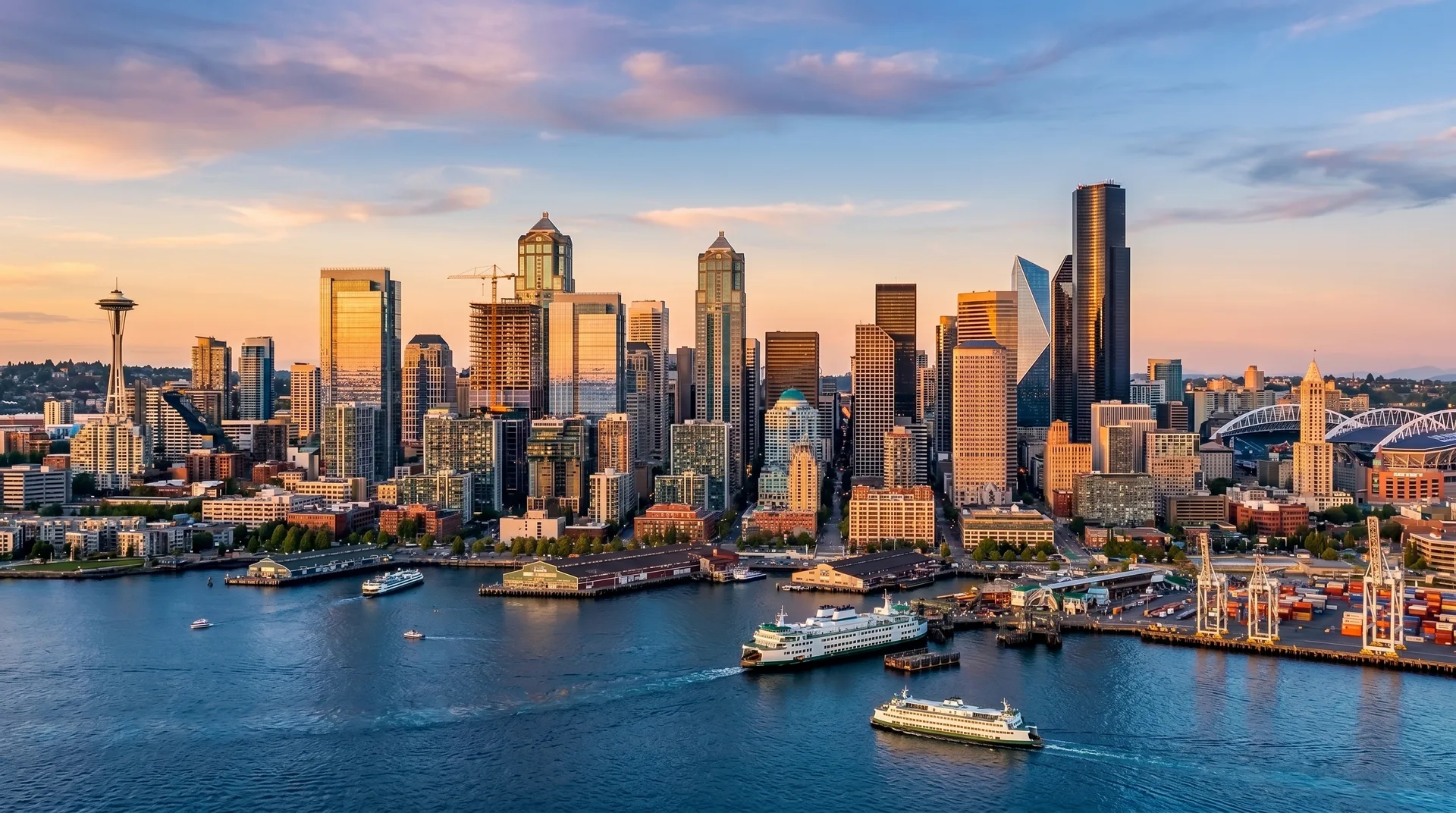 Destination
Seattle
Seattle, Washington, stands as one of the most important logistics and trade hubs on the U.S. West Coast, offering direct access to trans-Pacific shipping lanes and a robust domestic distribution network. The Seattle-Tacoma metropolitan area is home to the third-largest container port complex in North America, complemented by extensive rail connections through BNSF and Union Pacific, and a well-developed interstate highway system anchored by Interstate 5. The region's economy is driven by major industries including technology, aerospace led by Boeing, seafood processing, forestry products, and a thriving import-export sector. Seattle's strategic position makes it an ideal destination for goods arriving from Central America, providing efficient onward distribution throughout the Pacific Northwest and across the United States. The city's proximity to major rail yards, intermodal facilities, and warehousing districts ensures that freight arriving from corridors like the Flores-Seattle route can be quickly integrated into broader supply chains.










