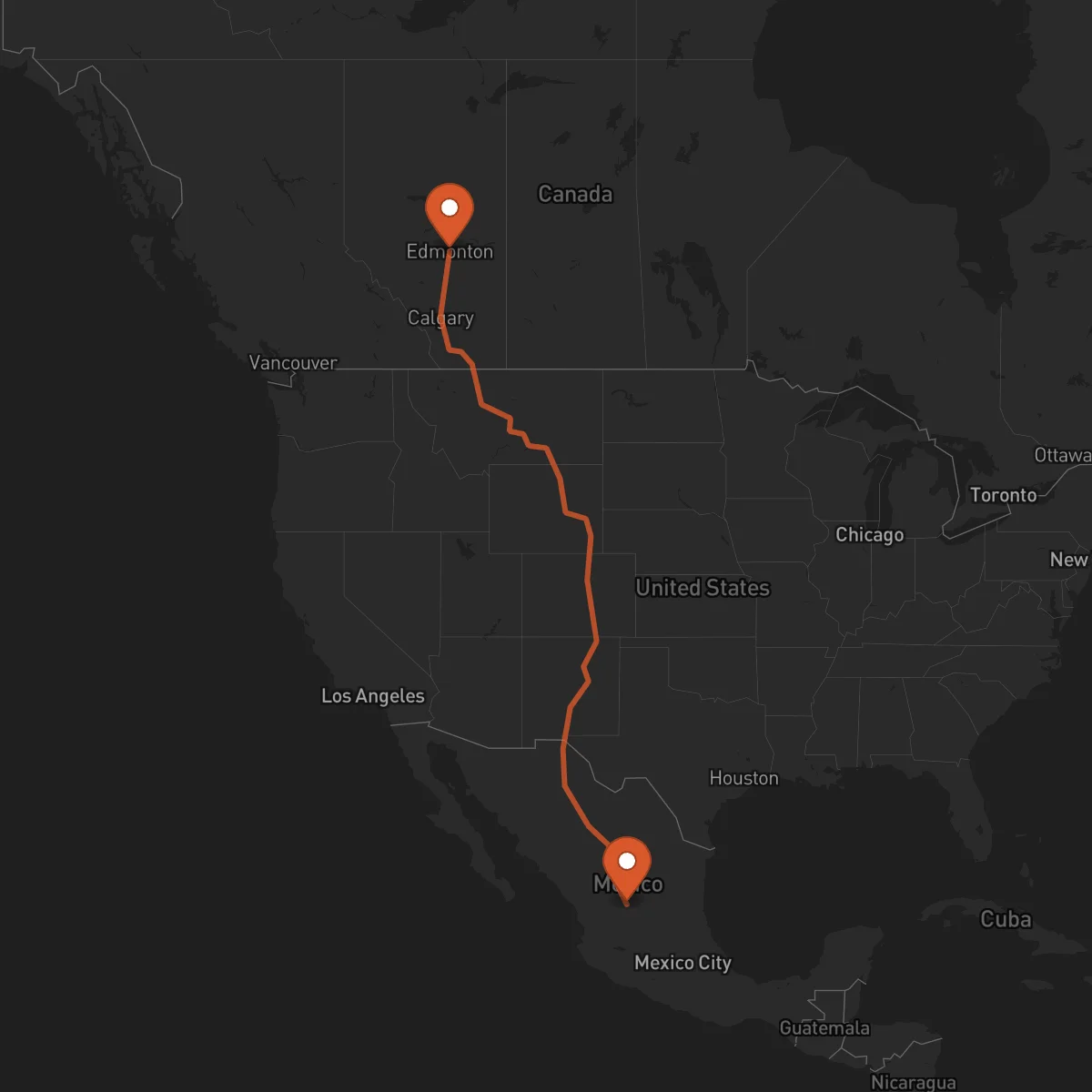
Edmonton to Zacatecas
Zacatecas → EdmontonFTL freight transportation service between Edmonton and Zacatecas. Reliable logistics solutions for your business.
Route Description
Everything you need to know about the corridor Edmonton - Zacatecas
The Edmonton to Zacatecas corridor represents a vital cross-border logistics connection between Canada and Mexico, spanning approximately 3,543 kilometers through some of North America's most important industrial regions. This route serves as a crucial link for manufacturers and distributors moving goods between the northern and central regions of the continent, facilitating trade across three countries through a well-established transportation network.
The corridor traverses major economic zones, connecting Alberta's energy and manufacturing hub with Zacatecas' growing industrial and mining sectors. Key industries utilizing this route include automotive parts manufacturing, agricultural equipment, mining supplies, and industrial machinery. The transportation infrastructure includes major highways such as Alberta Highway 2, Interstate 15 through the United States, and Mexican Federal Highways 45 and 49, providing reliable access through diverse terrain.
Cross-border operations typically involve efficient customs processing at strategic points like the Coutts-Sweetgrass or Coutts-Lethbridge crossings into the United States, followed by entry into Mexico through Laredo or El Paso. Control Terrestre's expertise in cross-border logistics ensures seamless coordination of documentation, compliance with customs regulations, and optimized routing to minimize transit times while maintaining cargo security throughout the journey.
Services for this Route
Available services for the corridor Edmonton - Zacatecas
 Origin
Edmonton serves as a strategic logistics hub in western Canada, positioned advantageously for distribution throughout North America. As Alberta's capital and largest city, Edmonton benefits from its location at the northern end of the CANAMEX Corridor, providing direct access to major transportation networks. The city's economy is anchored by the energy sector, with significant contributions from manufacturing, technology, and logistics industries. Edmonton's transportation infrastructure includes the Edmonton International Airport, extensive rail connections through Canadian National Railway, and major highways including the Yellowhead Highway (Highway 16) and Queen Elizabeth II Highway (Highway 2), which provide efficient connections to southern markets and cross-border routes.
 Destination
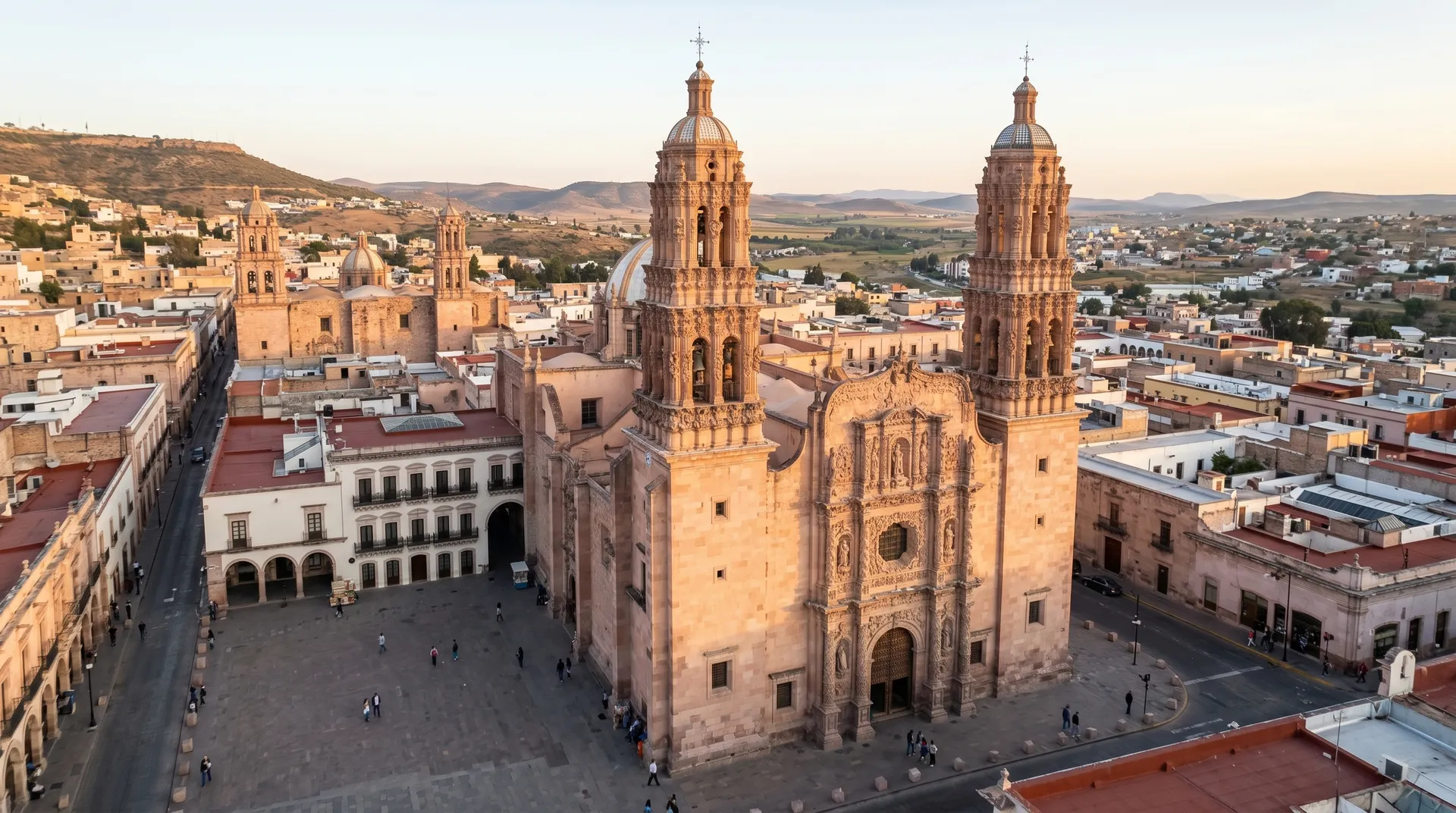
Zacatecas represents a strategic logistics center in central Mexico, offering excellent connectivity to major industrial regions and ports. The state has developed into an important manufacturing and mining center, with a growing automotive industry and significant mineral extraction operations. Zacatecas benefits from its central location within Mexico's transportation network, providing access to major markets including Mexico City, Guadalajara, and Monterrey. The region's infrastructure includes the Zacatecas International Airport, rail connections through Ferromex, and access to Federal Highways 45 and 49, which provide direct routes to northern border crossings and southern industrial centers.










