
Durham to Totonicapán
Totonicapán → DurhamFTL freight transportation service between Durham and Totonicapán. Reliable logistics solutions for your business.
Route Description
Everything you need to know about the corridor Durham - Totonicapán
The Durham, North Carolina to Totonicapán, Guatemala corridor represents a vital cross-border logistics connection between the United States and Central America. This 2,651 km route facilitates the movement of goods from the industrial heartland of North Carolina to the highlands of Guatemala, supporting trade between two dynamic economies. The corridor is particularly significant for companies looking to establish reliable supply chains that bridge North American manufacturing with Central American markets.
The route traverses a diverse landscape, connecting major transportation hubs in the southeastern United States with the growing economic centers of Guatemala. This corridor is especially important for industries such as automotive, textiles, electronics, and agricultural products, which require efficient and secure transportation solutions. The growing trade relationship between the United States and Guatemala makes this route increasingly strategic for businesses seeking to optimize their cross-border operations.
Key transportation infrastructure along this corridor includes major interstate highways in the United States, connecting to Mexico's extensive road network, and continuing through Mexico's southern states before entering Guatemala. The route typically involves crossing at major border points such as Laredo/Nuevo Laredo or El Paso/Ciudad Juárez, before proceeding through Mexico's interior to the Guatemala border. Control Terrestre provides comprehensive FTL services along this entire route, ensuring seamless door-to-door transportation with our certified carriers who understand the complexities of cross-border operations and customs requirements.
Services for this Route
Available services for the corridor Durham - Totonicapán
 Origin
Durham
Durham, North Carolina serves as a strategic logistics hub in the southeastern United States, benefiting from its proximity to major transportation networks including Interstate 85 and its location within the Research Triangle region. The city is part of a thriving economic ecosystem that includes technology, healthcare, education, and advanced manufacturing sectors. Durham's well-developed infrastructure includes the Raleigh-Durham International Airport, extensive rail connections through Norfolk Southern and CSX, and direct highway access to major ports along the East Coast.
The region's industrial base includes pharmaceutical companies, biotechnology firms, and manufacturing operations that require reliable freight transportation solutions. Durham's strategic location provides excellent connectivity to both East Coast markets and inland destinations, making it an ideal origin point for cross-border shipments to Central America. The area's concentration of distribution centers and logistics facilities further enhances its capability to handle large-scale freight movements efficiently.
 Destination
Totonicapán
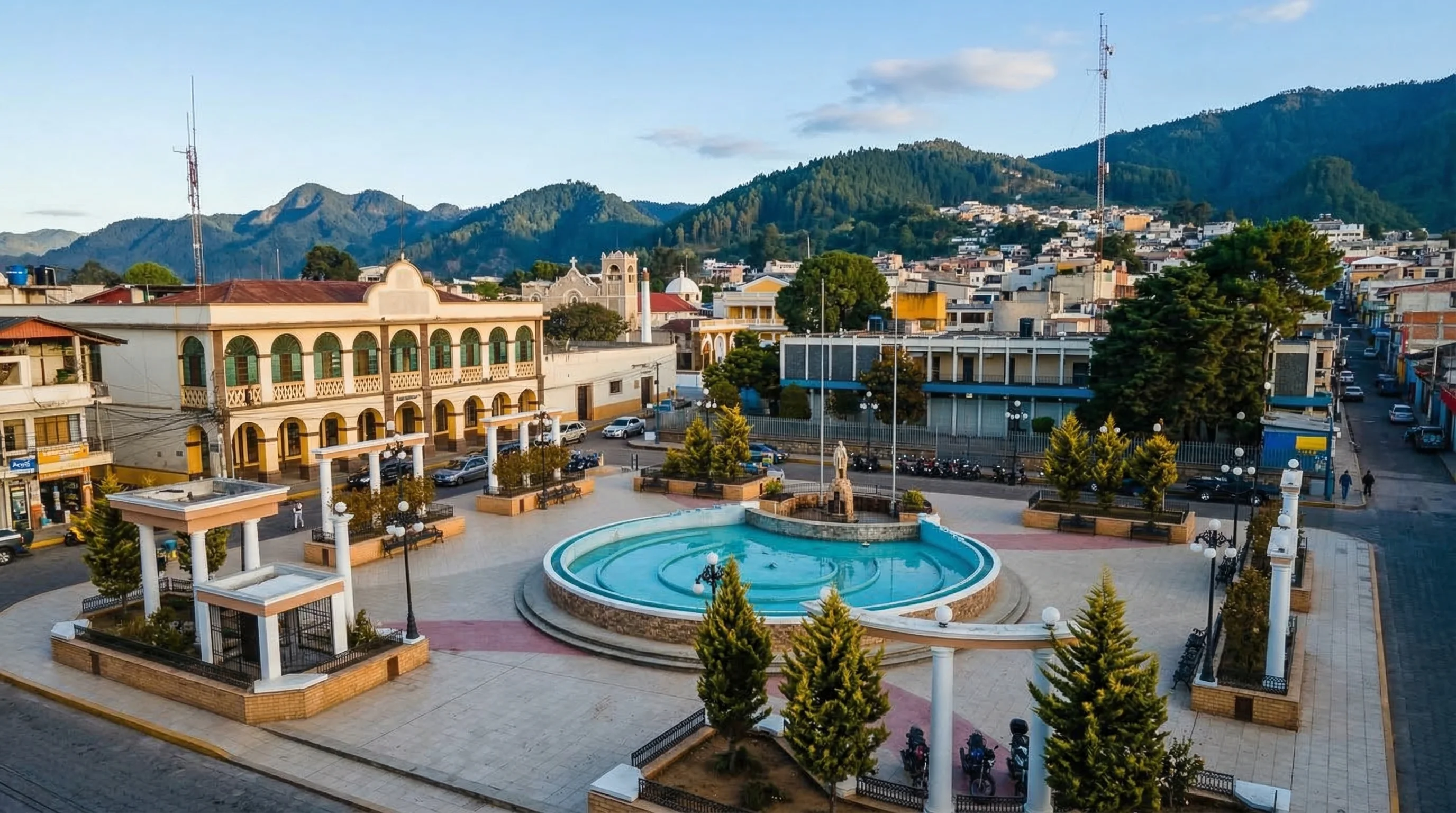
Totonicapán, located in the western highlands of Guatemala, is a strategic logistics point that serves as a gateway to the country's interior regions and neighboring countries. The city benefits from its position along Guatemala's principal transportation corridors, providing access to major markets including Guatemala City, Quetzaltenango, and the Mexican border. Totonicapán's elevation and central location make it an important distribution center for goods moving throughout the highlands and into surrounding regions.
The area's economy is characterized by traditional industries including textiles, handicrafts, and agriculture, alongside growing commercial activities. Totonicapán's infrastructure includes connections to Guatemala's main highway system, facilitating the movement of goods to and from major ports and border crossings. The region's developing logistics sector is increasingly important for companies looking to establish distribution networks in Guatemala's interior, with the city serving as a strategic point for warehousing and last-mile delivery operations.










