
Durango to San Marcos
San Marcos → DurangoFTL freight transportation service between Durango and San Marcos. Reliable logistics solutions for your business.
Route Description
Everything you need to know about the corridor Durango - San Marcos
The Durango to San Marcos corridor represents a critical north-south artery connecting the industrial heartland of northern Mexico with the Pacific gateway of Guatemala. This strategic route facilitates the flow of goods across Central America, underpinned by trade agreements like USMCA that integrate regional supply chains. Economically, it links Durango's robust mining and manufacturing sectors with San Marcos' vital agricultural export zone, particularly coffee and banana production. Key industries leveraging this corridor include automotive parts, industrial machinery, agricultural inputs, and consumer goods. The primary terrestrial infrastructure relies on Mexico's Federal Highway 40D/49D from Durango to the border, transitioning to Guatemala's CA-1 highway after crossing at Tecún Umán. This border point demands meticulous customs coordination, where documentation compliance and adherence to regulations like C-TPAT and FAST are paramount for efficiency. Control Terrestre facilitates seamless operations on this complex corridor through our strategic alliance network. We provide dedicated Full Truckload (FTL) solutions, managing all cross-border documentation, customs brokerage coordination, and leveraging our providers' certifications (BASC, Clean Transportation) to ensure secure and compliant transit. Our expertise in dedicated and specialized cargo handling, including oversized and refrigerated units, allows us to tailor solutions for the specific demands of goods moving between these economic hubs, offering our clients a single, reliable point of contact for end-to-end management.
Services for this Route
Available services for the corridor Durango - San Marcos
 Origin
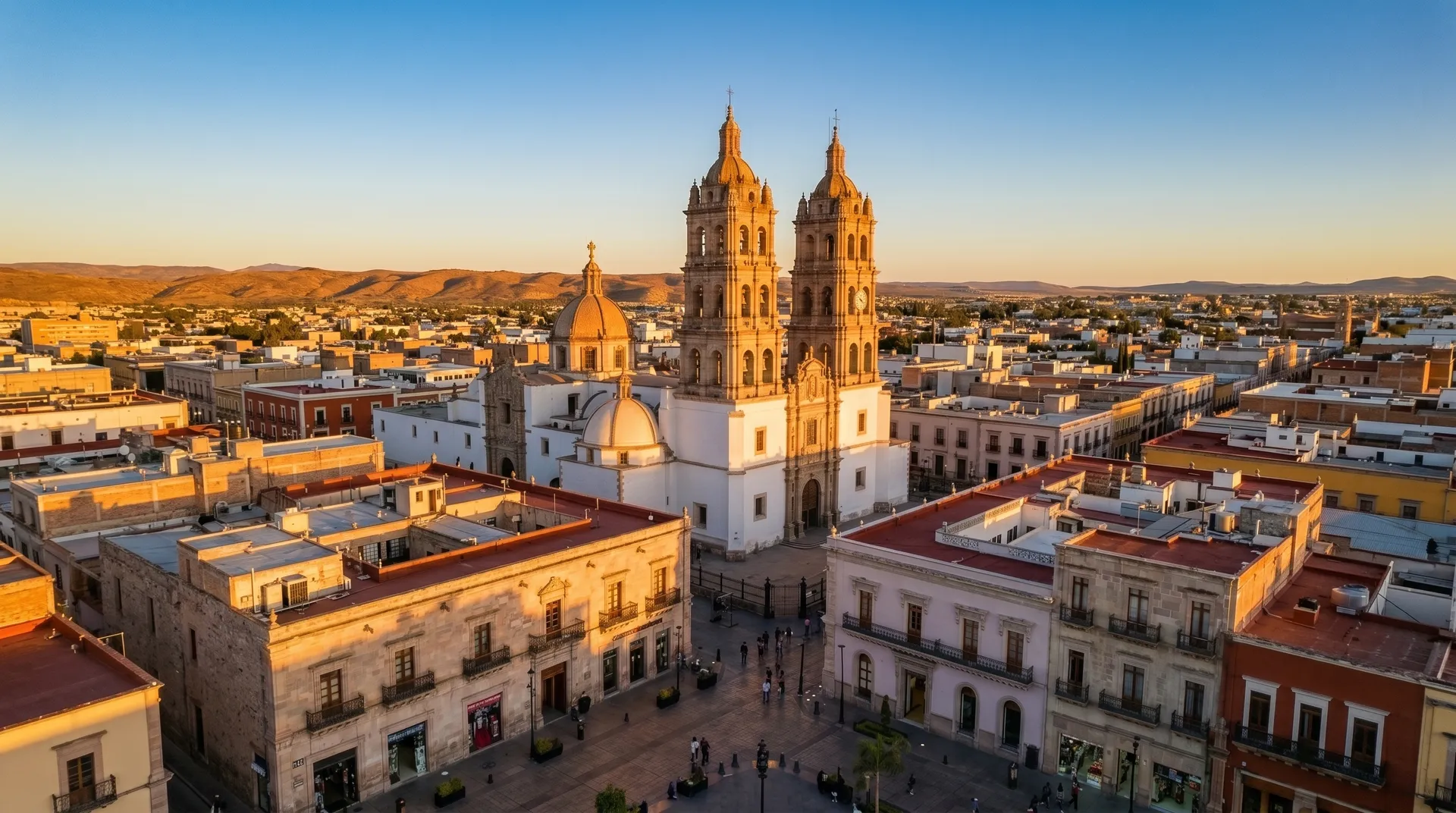
Durango, located in the northwestern region of Mexico, serves as a pivotal logistics hub due to its strategic position connecting the Pacific coast with Mexico's interior and the U.S. border. The city and state are economic powerhouses, driven primarily by world-class mining (gold, silver, copper) and a significant manufacturing sector, including automotive and metal fabrication. This industrial base generates consistent demand for inbound raw materials and outbound finished goods. The region's transportation infrastructure is anchored by the modern Durango-Mazatlán highway (Fed. 40D), which provides efficient access to the port of Mazatlán and connects southward toward the central Mexican industrial corridor. Additionally, Durango is a key node on the rail network, offering intermodal options. For our clients, this means Durango is not just an origin point but a well-connected launchpad for domestic and international freight, supported by a mature ecosystem of transportation providers ready to handle diverse FTL requirements, from standard dry vans to specialized tankers and flatbeds for mining equipment.
 Destination
San Marcos
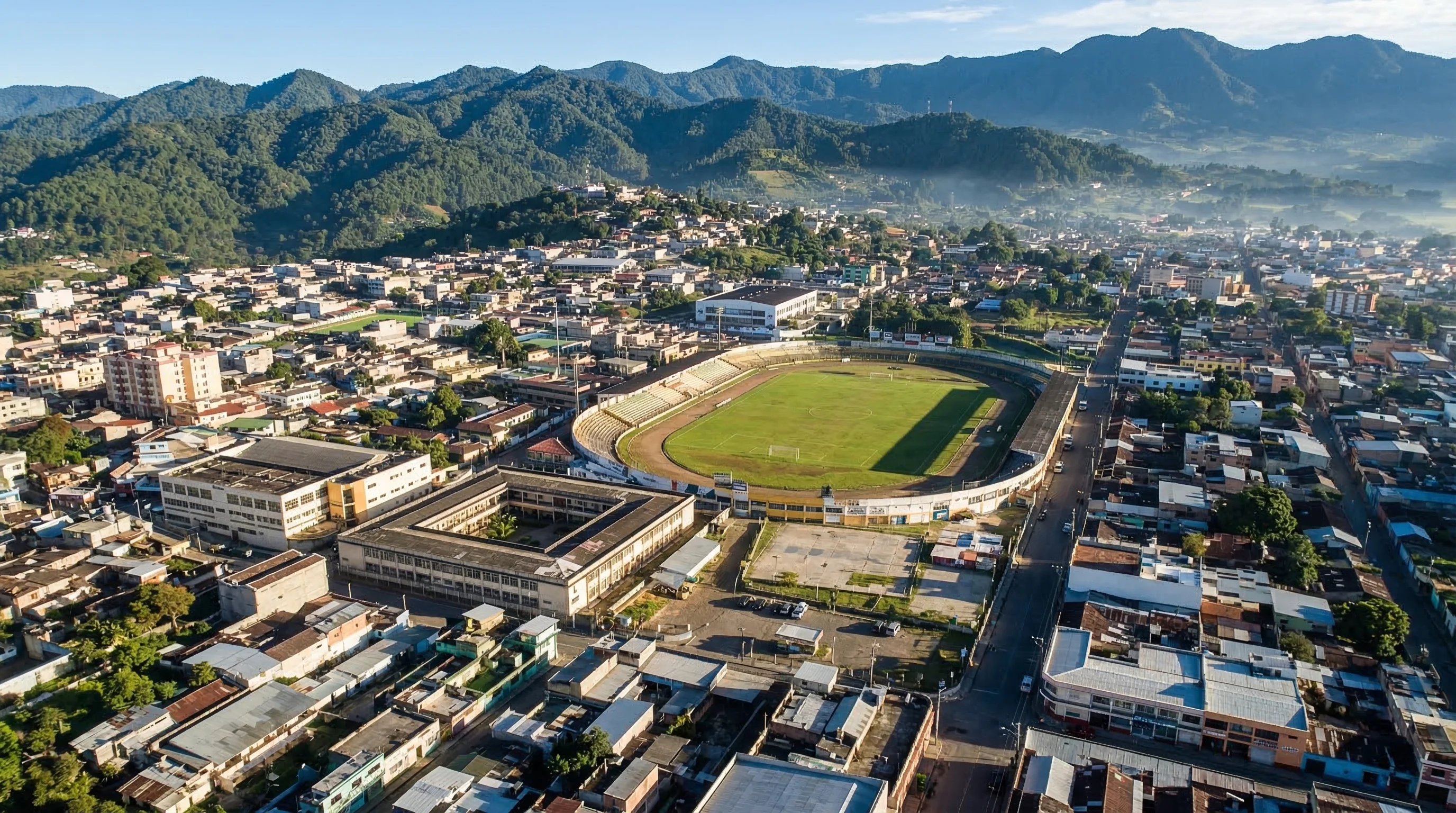
San Marcos, situated on Guatemala's southern Pacific coast, is a crucial logistics and trade gateway for Central America. Its strategic importance is amplified by its proximity to key border crossings with Mexico (Tecún Umán) and its access to regional ports like Puerto Quetzal. The department's economy is overwhelmingly anchored in high-value agriculture, being one of the world's premier regions for coffee production, alongside significant banana and sugar cane exports. This agricultural intensity drives substantial demand for refrigerated transportation (reefers) for exports and inbound freight for fertilizers, packaging, and machinery. The primary transportation artery is the CA-1 highway, which runs along the coast, connecting San Marcos to the rest of Guatemala and the Mexican border. Infrastructure includes port facilities and a network of distribution centers. For Control Terrestre's clients, San Marcos represents a dynamic market where reliable, temperature-controlled, and cross-border FTL services are essential. Our capability to manage spot freight, dedicated fleets, and door-to-door solutions here addresses the specific needs of agribusiness supply chains requiring precision and regulatory compliance for international markets.










